
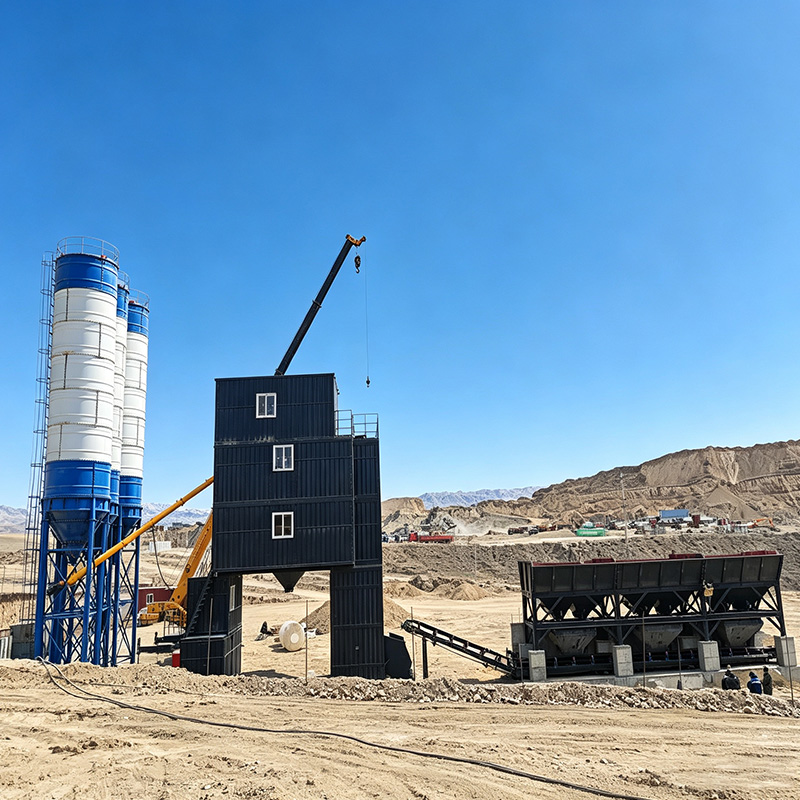
Dry Mix Mortar Production Line: Complete Guide & Sinoma's Global Projects
Dry mix mortar is one of the fastest-growing segments in construction materials, driven by urbanization, quality standards, and labor efficiency requirements. Sinoma delivers complete turnkey dry mortar production lines — from sand drying to packaging — with proven projects in Uzbekistan, Kazakhstan, Vietnam, and Indonesia.
What is Dry Mix Mortar?
Dry mix mortar is a pre-mixed blend of dried sand, cement, fillers, and chemical additives, manufactured in a controlled plant environment and delivered to construction sites in bags or silos. It only requires water addition at the point of use, ensuring consistent quality, reduced waste, and faster application.
The global dry mix mortar market is growing at 6.8% CAGR, driven by the shift from site-mixed to factory-mixed mortar, stricter building quality standards, and the demand for specialized products like tile adhesives, wall putty, self-leveling compounds, and thermal insulation mortars.
Common Dry Mortar Products
- Masonry Mortar: Brick and block laying, plastering
- Tile Adhesive: Ceramic and porcelain tile installation
- Wall Putty: Surface leveling and smoothing
- Self-Leveling Compound: Floor leveling
- Thermal Insulation Mortar: Energy-efficient building envelope
- Waterproofing Mortar: Basement and bathroom waterproofing
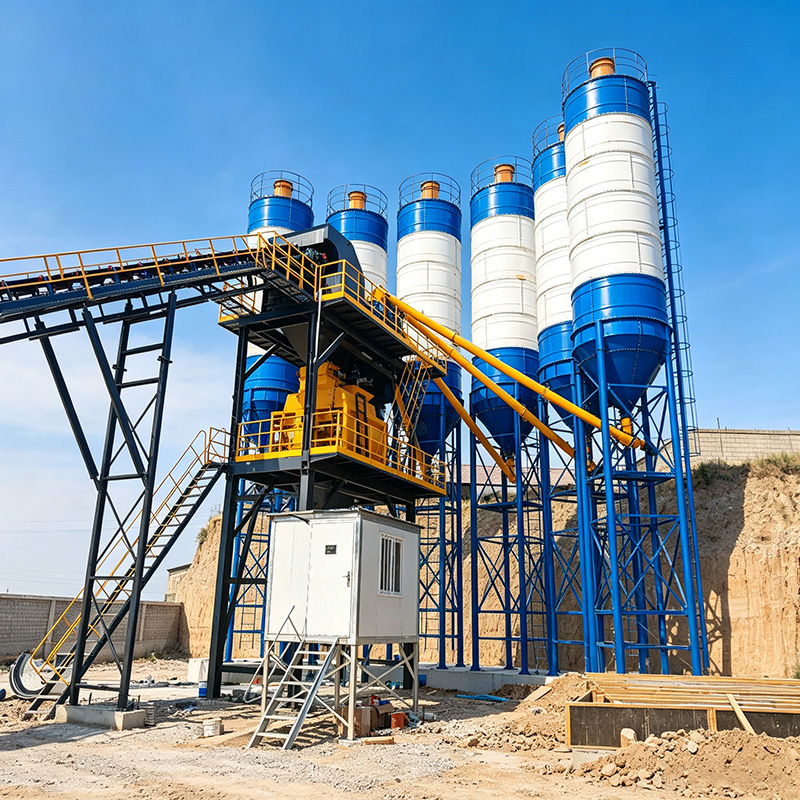
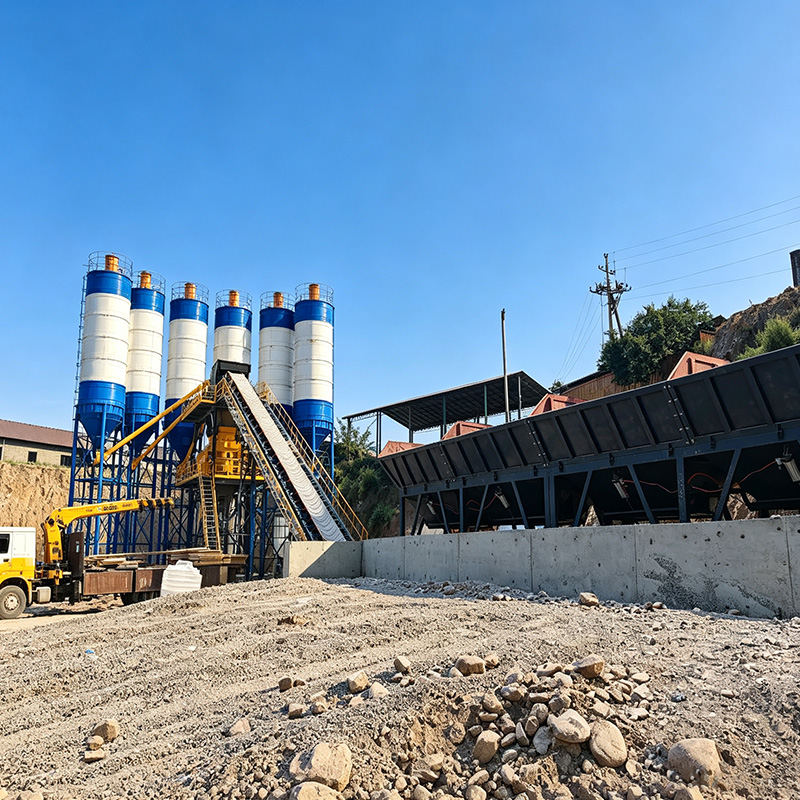
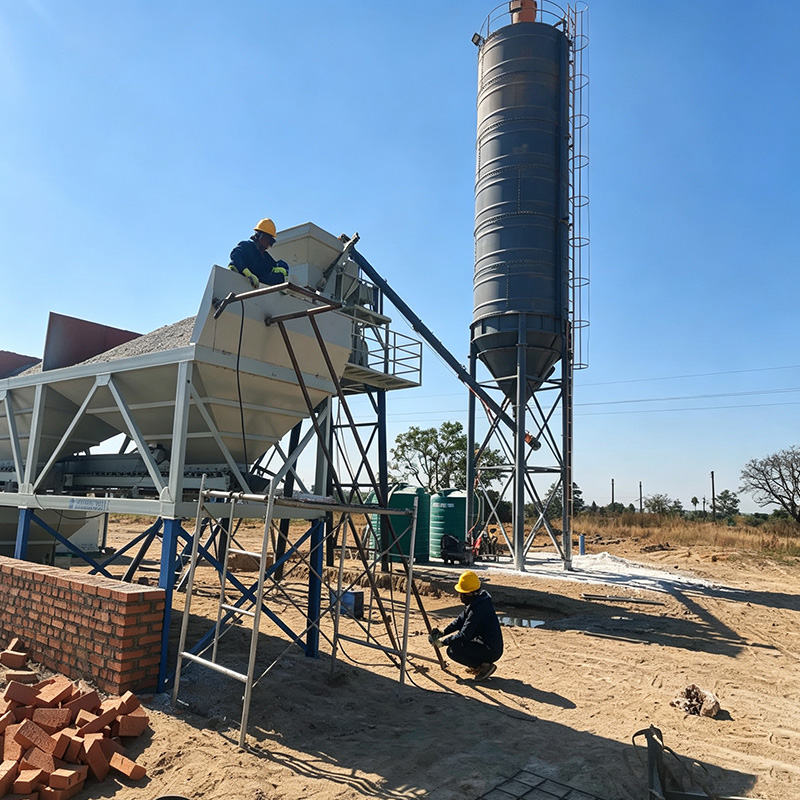
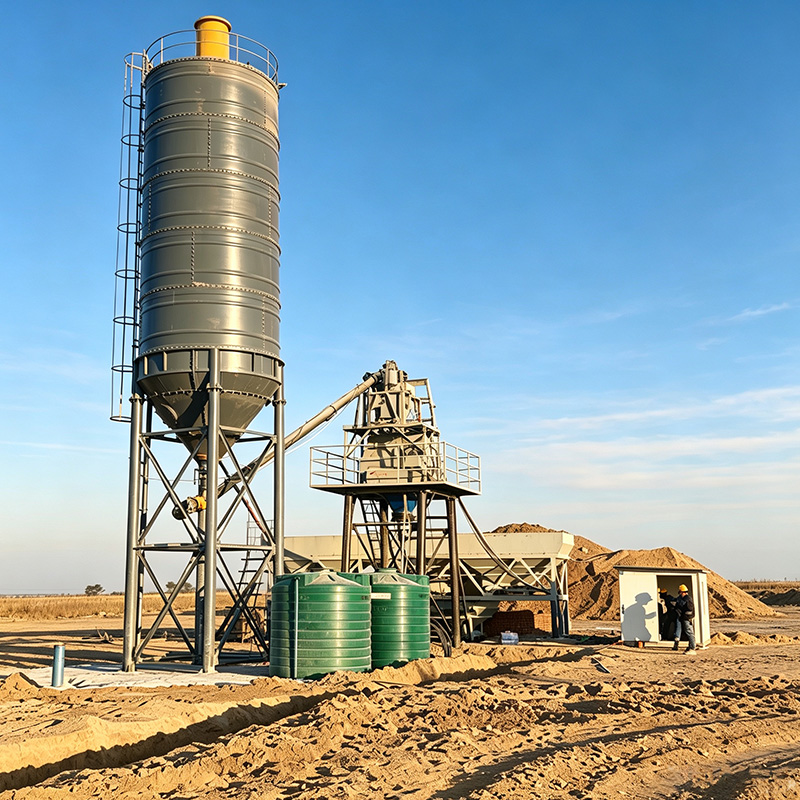
Raw Material System
Four categories of raw materials, each with dedicated storage, conveying, and weighing equipment for consistent mortar performance.
Cementitious Materials
Ordinary Portland cement, gypsum, and lime — provide strength, binding, and setting control.
The strength backbone of every mortar batch.
Fine Aggregate
River sand, manufactured sand (max <2.5 mm), lightweight perlite for insulation mortar.
Forms the structural skeleton; controls shrinkage and cost.
Mineral Fillers
Fly ash, GGBS slag powder, limestone powder — improve workability and durability.
Utilizes industrial by-products for greener production.
Chemical Additives
HPMC cellulose ether, RDP redispersible powder, water reducer, anti-crack fiber.
Delivers water retention, flexibility, and crack resistance.
Dry Mortar Production Process
A complete dry mix mortar production line includes sand drying, screening, precise weighing, high-efficiency mixing, and automated packaging.
1. Sand Drying
Raw sand contains 5-10% moisture. Triple-pass rotary dryer reduces moisture to <0.5%, ensuring accurate mixing ratios and product stability.
2. Screening & Grading
Dried sand is screened into different particle size grades. Vibrating screens separate sand into fine, medium, and coarse fractions for different mortar types.
3. Precise Weighing
Computerized weighing systems dose sand, cement, fillers, and additives with <0.5% accuracy. Multiple silos store different raw materials for flexible formulation.
4. High-Efficiency Mixing
Paddle or twin-shaft mixers achieve homogenous blending in 3-5 minutes. Special design prevents dead zones and ensures uniform additive distribution.
5. Packaging & Storage
Automatic valve bag packers fill 25-50 kg bags at 3-5 bags/minute. Optional bulk silo loading for tanker delivery to large construction sites.
6. PLC Control System
Fully automated PLC system manages the entire production line — from raw material handling to packaging — with real-time monitoring and recipe management.
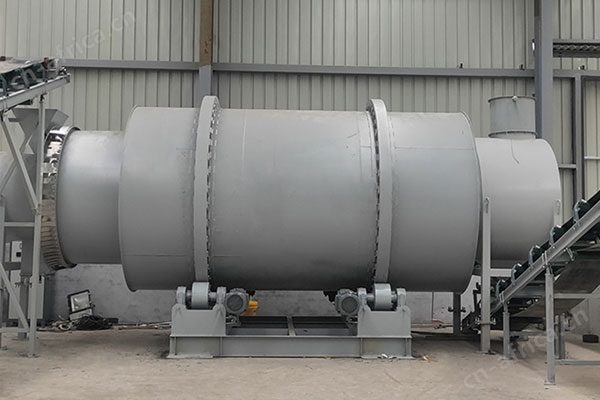
Three-Pass Dryer
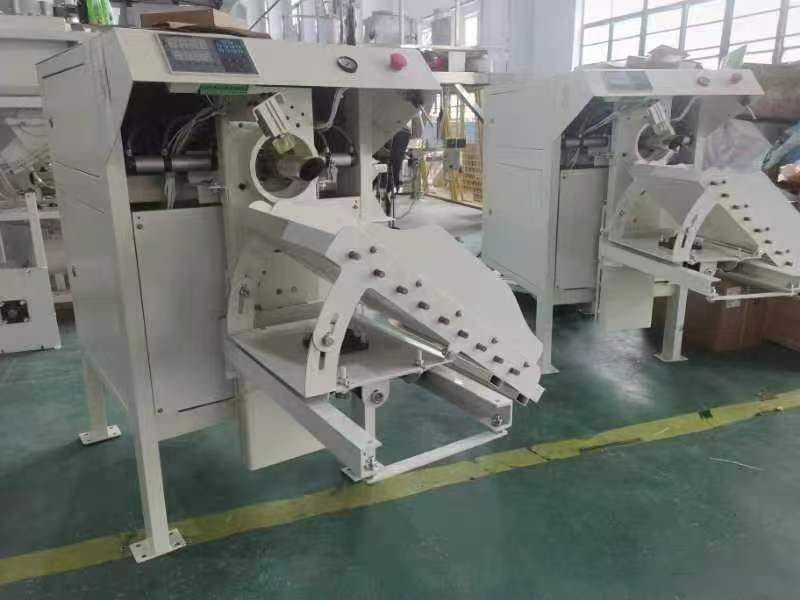
Valve Bag Packer
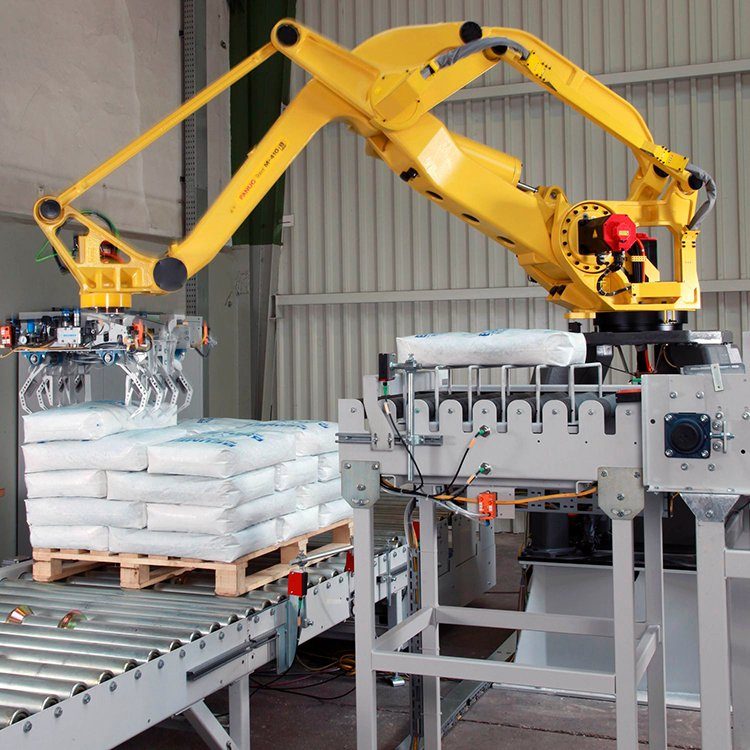
Robotic Palletizer
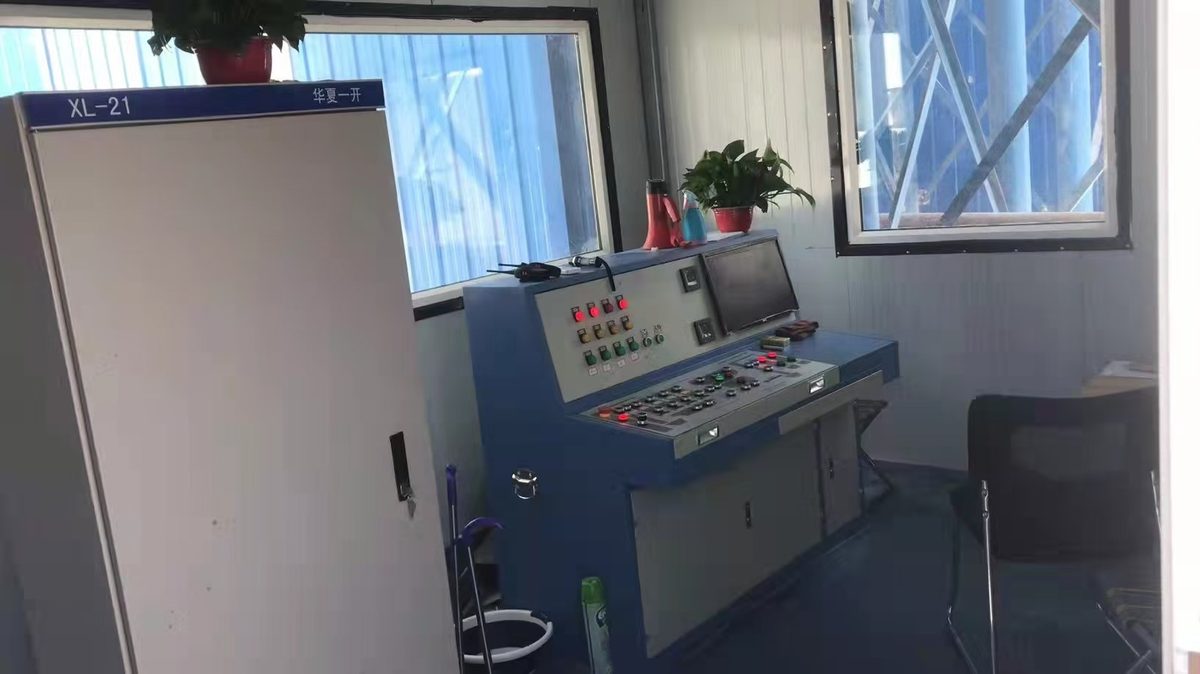
PLC Control
Four Plant Configurations
Match the right plant structure to your site conditions, budget, and product range. The step-type platform plant is our most popular and cost-effective solution.
Step-Type Platform Plant
Recommended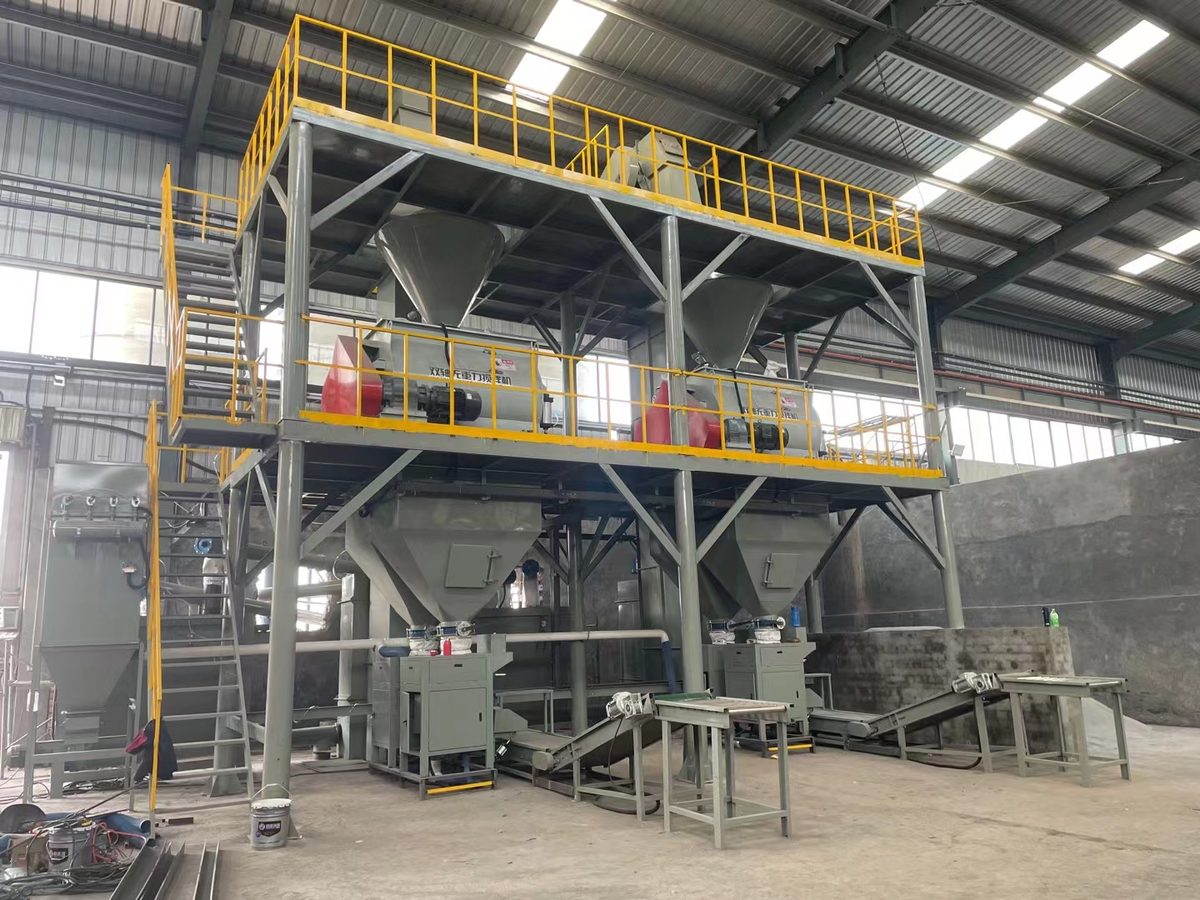
Ground-level batching with a raised mixing platform — no tall steel tower required. Lower civil construction cost, easy equipment access, and flexible layout for most mortar types.
- Capacity: 5 – 30 t/h (scalable)
- Best for: Most customers — masonry, plastering, tile adhesive, putty, special mortars
- Advantages: Lower capital cost, easy maintenance, wide site adaptability
Tower-Type Plant
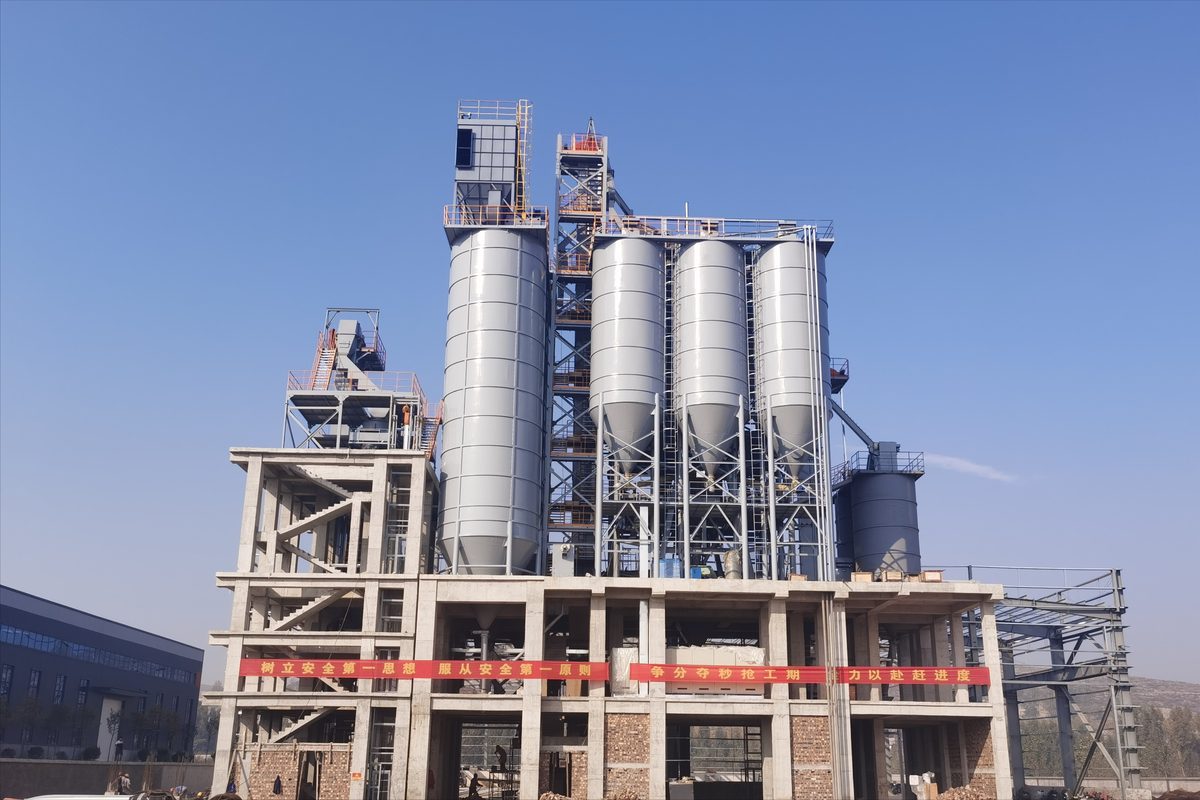
Full vertical gravity-flow layout: raw materials lifted to the top and flow downward through weighing, mixing, and packaging by gravity.
- Capacity: 20 – 40 t/h, large-scale
- Best for: Annual output >100,000 t, high-volume standard mortar
- Advantages: Compact footprint, lowest energy consumption, fastest cycle
Semi-Automatic Platform
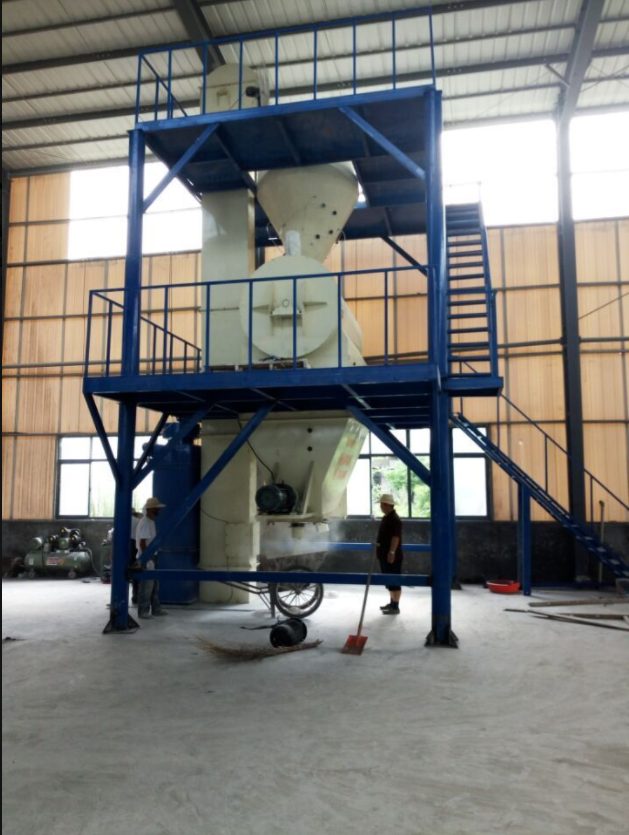
Simplified design with reduced upper silos; bag or ton-bag feeding by forklift. Lower investment and lower building height.
- Capacity: 3 – 10 t/h
- Best for: Start-up factories, low-ceiling workshops, special mortar
- Advantages: Low entry cost, quick install, simple manual/auto switch
Simple Ribbon Mixer Unit
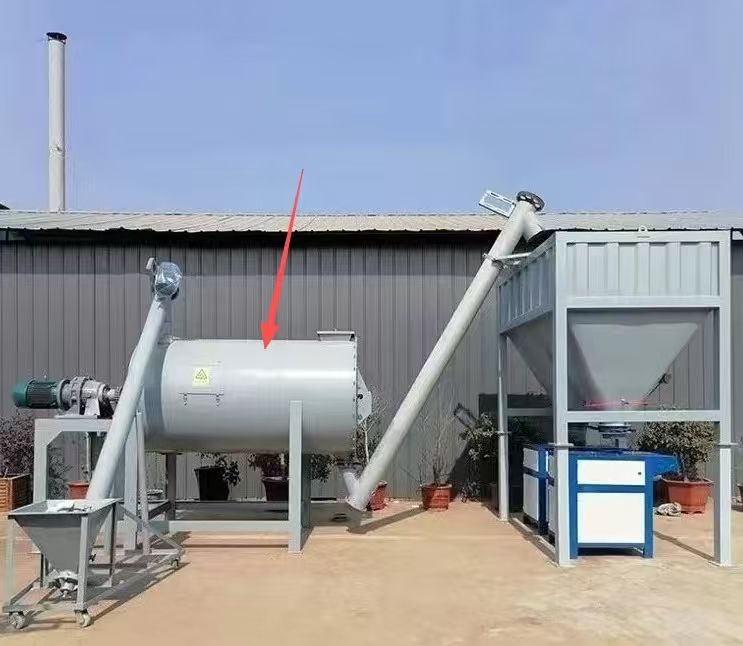
Standalone ribbon blender with manual bag feeding — the most economical entry-level solution for small production lines.
- Capacity: 1 – 3 t/h (1000L–2000L models)
- Best for: Small workshops, R&D labs, export markets
- Advantages: Lowest price, fast formula changeover, easy operation
Mixing Equipment Comparison
The mixer is the heart of the dry mortar plant. Choose the right type based on your product range.
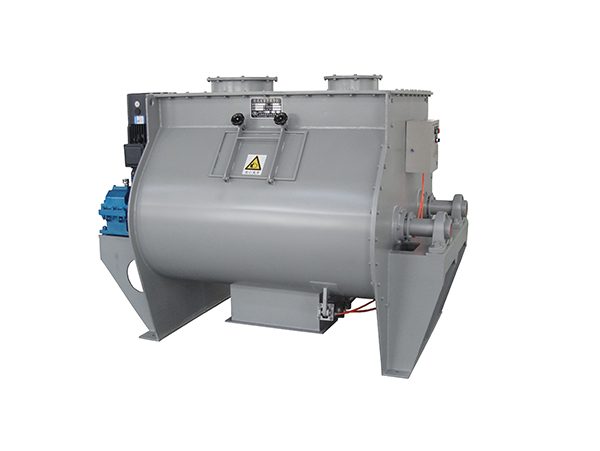
Twin-Shaft Paddle Mixer
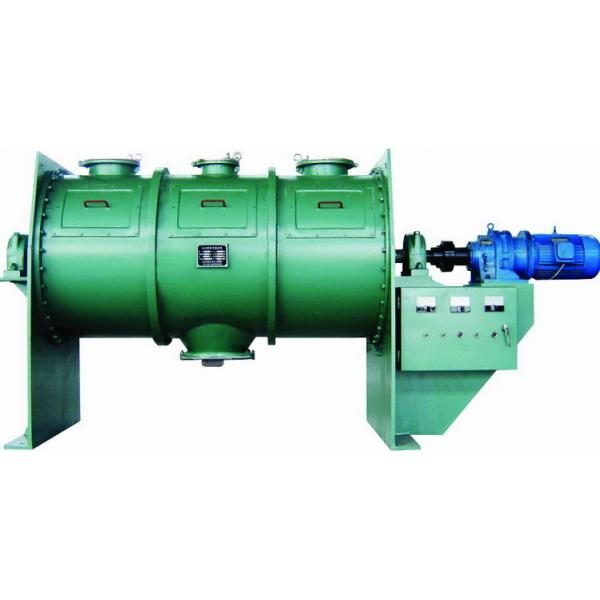
Ploughshare Mixer
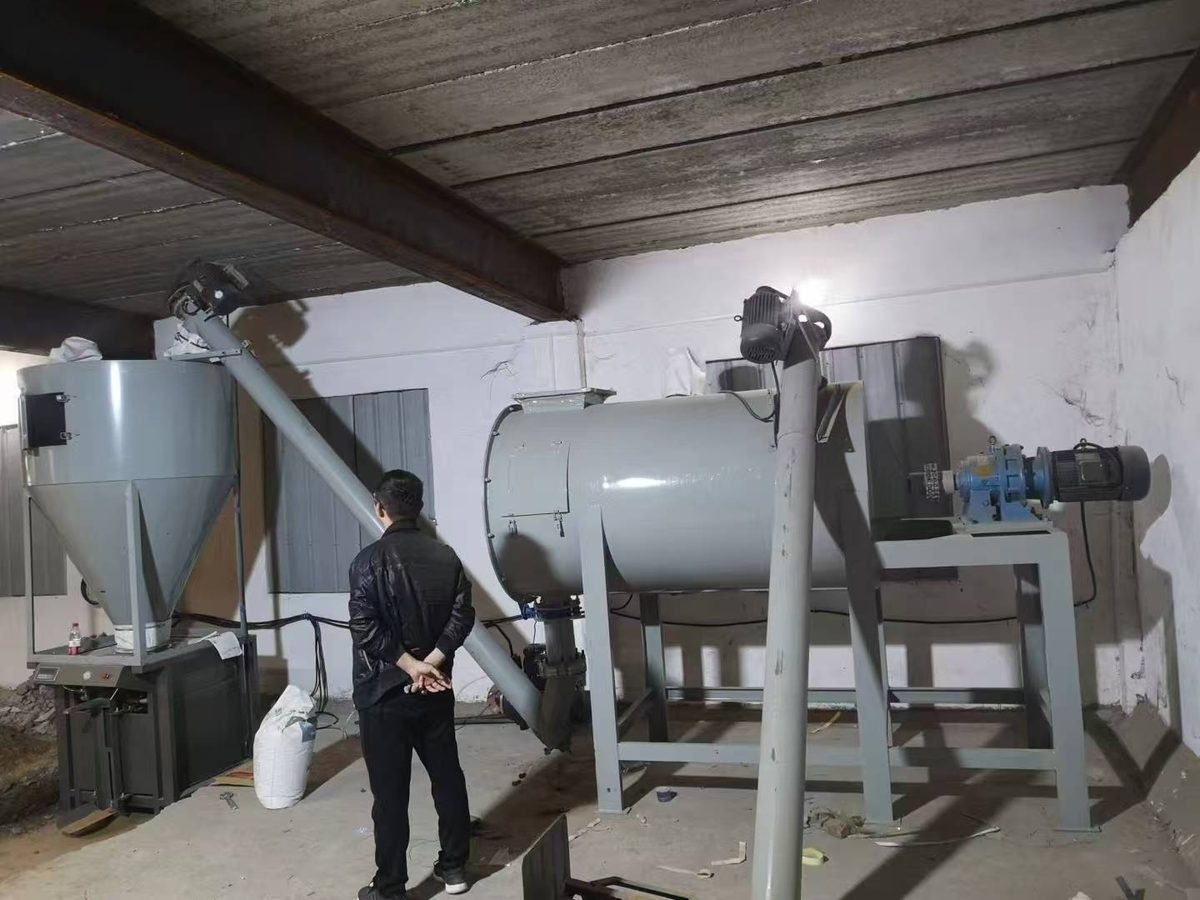
Ribbon Blender
| Mixer Type | Working Principle | Cycle Time | Typical Products |
|---|---|---|---|
| Twin-Shaft Paddle (Gravity-Free) | Two paddles fluidize material into instant weightlessness for rapid convection mixing | 3 – 5 min | All standard mortars — industry mainstream |
| Ploughshare with High-Speed Knives | Ploughs lift material while knives break up fiber and powder agglomerates | 90 – 240 s | Tile adhesive, RDP, fiber-reinforced special mortars |
| Ribbon Blender | Inner and outer ribbons create gentle axial + radial convection | 5 – 10 min | Putty, self-leveling, particle-sensitive materials |
Common twin-shaft mixer volumes: 1, 2, 3, 4, 6, and 10 m³ — corresponding to 1–6 t per batch.
Featured Dry Mortar Projects
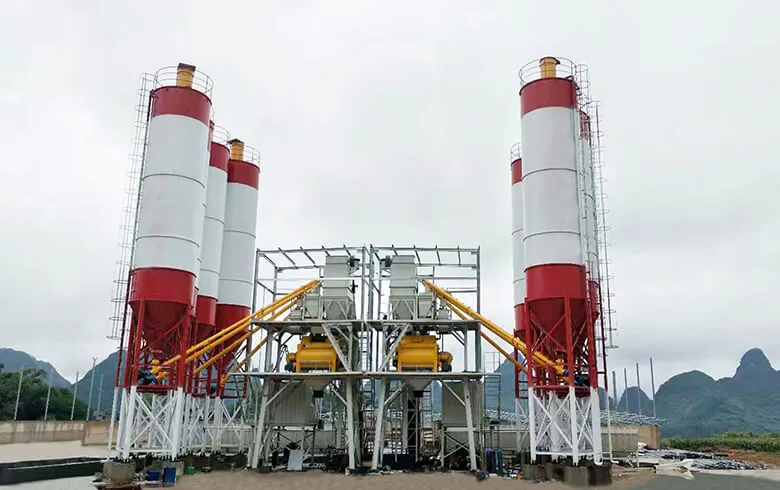
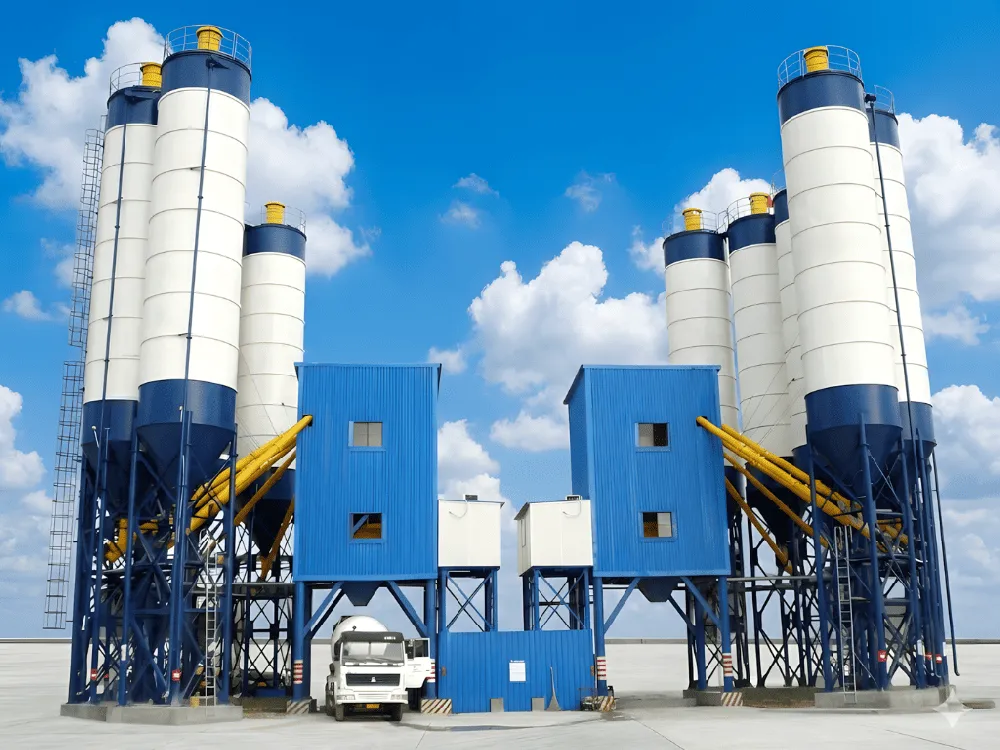
HZS180 Stationary Concrete Batching Plant – Enhanced Case Study
HZS180 stationary concrete batching plant in Canada with JS4000 twin-shaft mixer. 180 m³/h, ±1% weighing accuracy. EPC by Zhengzhou Sinoma.
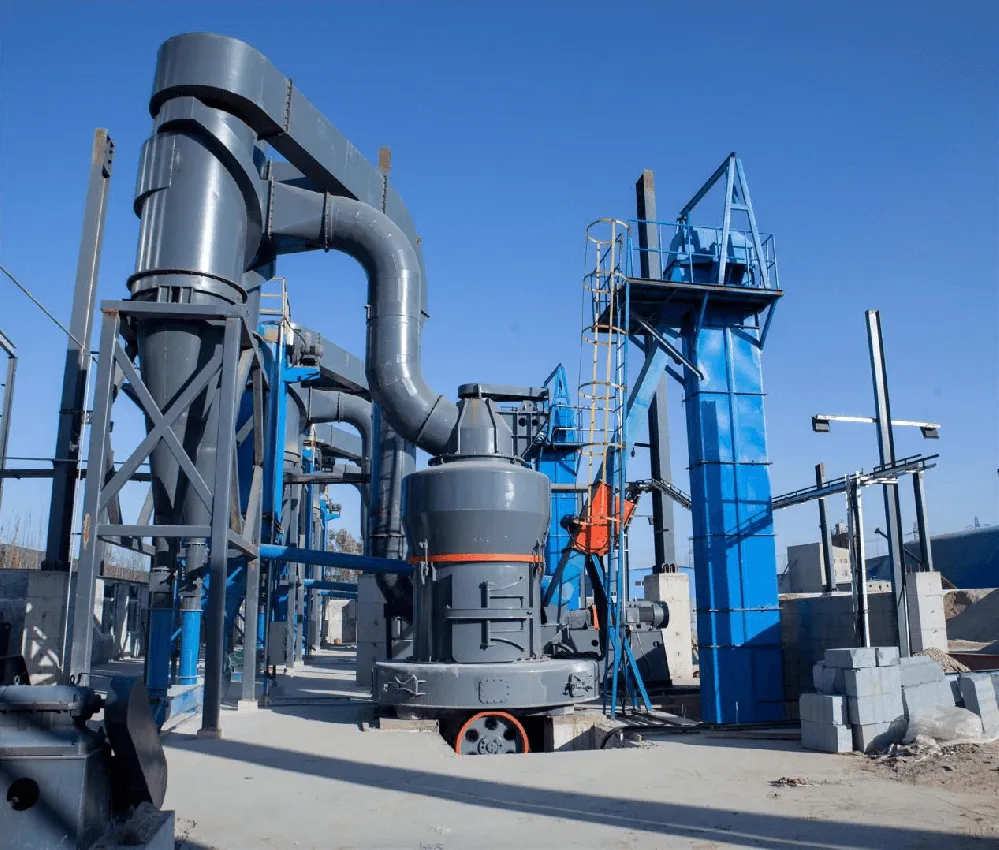
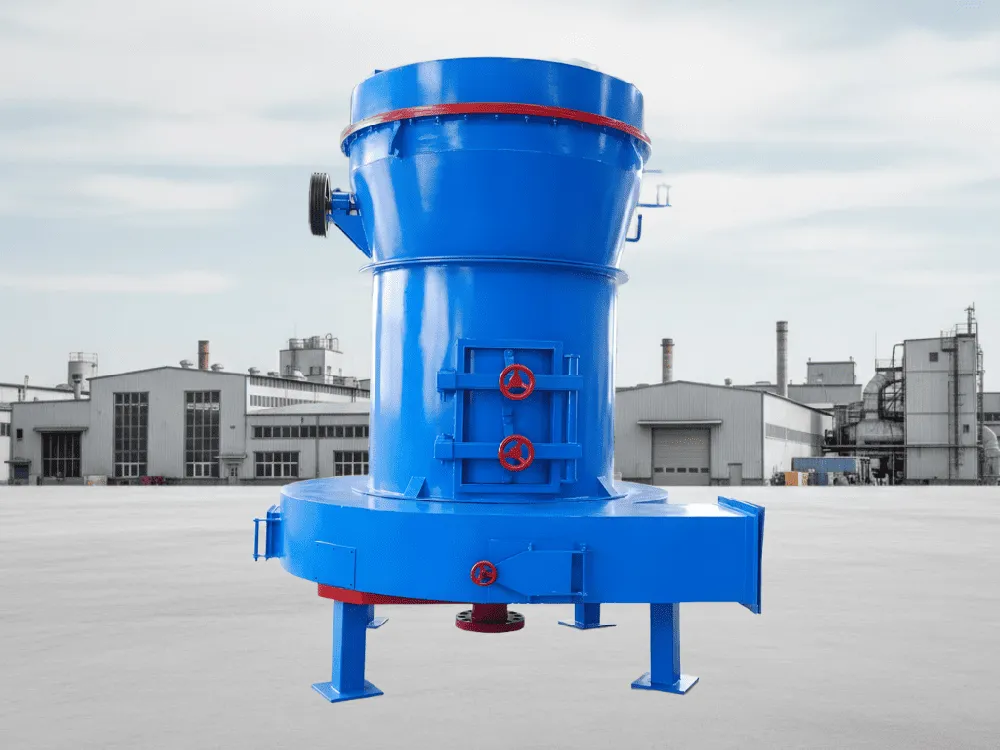
Raymond Mill System Project – Indonesia (20 tph)
20 tph activated lime Raymond mill system delivered in Indonesia. 80–325 mesh adjustable, low vibration, dust-free. EPC by Zhengzhou Sinoma.
Dry Mortar Solutions
View All Solutions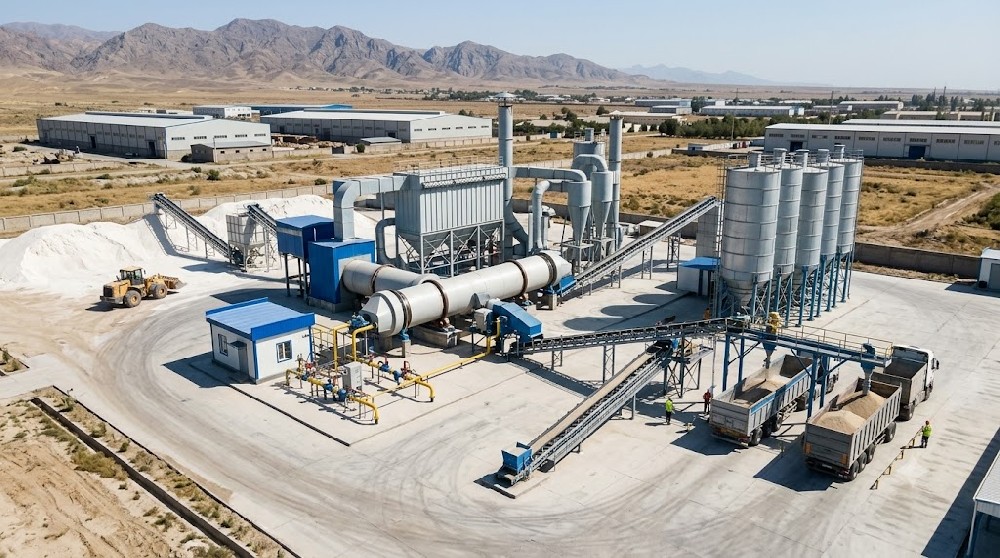
10 TPH Quartz Sand Drying Plant for Construction Materials Company in Uzbekistan
10 TPH Quartz Sand Drying Plant for Construction Materials Company in UzbekistanTighter Moisture Control for Higher-Performance Construction Chemicals1. Project BackgroundA construction materials supplier in the Tashkent region of Uzbekistan had been compounding tile adhesives and wall putty for sev
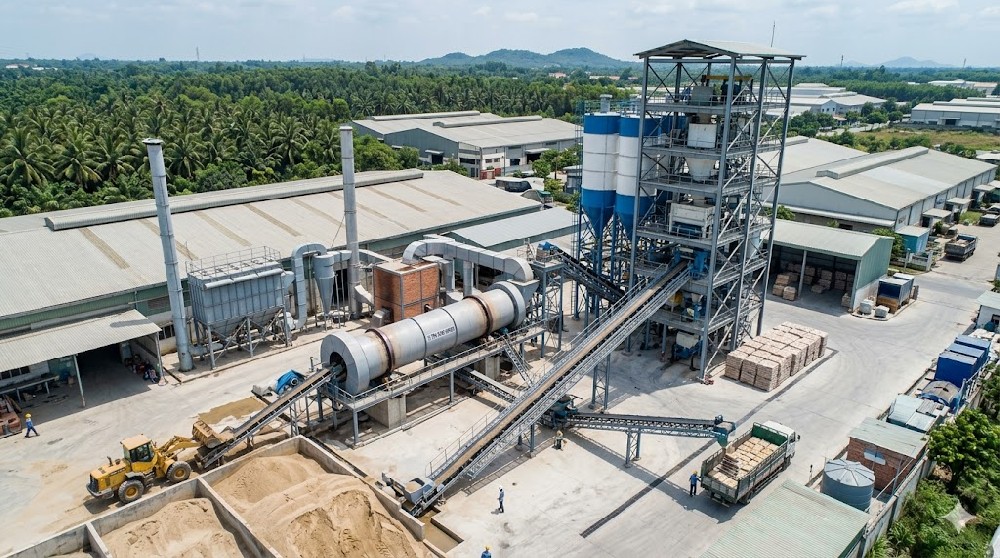
15 TPH River Sand Drying Line for Dry Mix Mortar Production in Vietnam
15 TPH River Sand Drying Line for Dry Mix Mortar Production in VietnamEliminating Weather Dependency: Stable Sand Supply, Year-Round1. Project BackgroundA dry mix mortar manufacturer in northern Vietnam had been in operation for several years, producing tile adhesives, masonry mortars, and wall putt
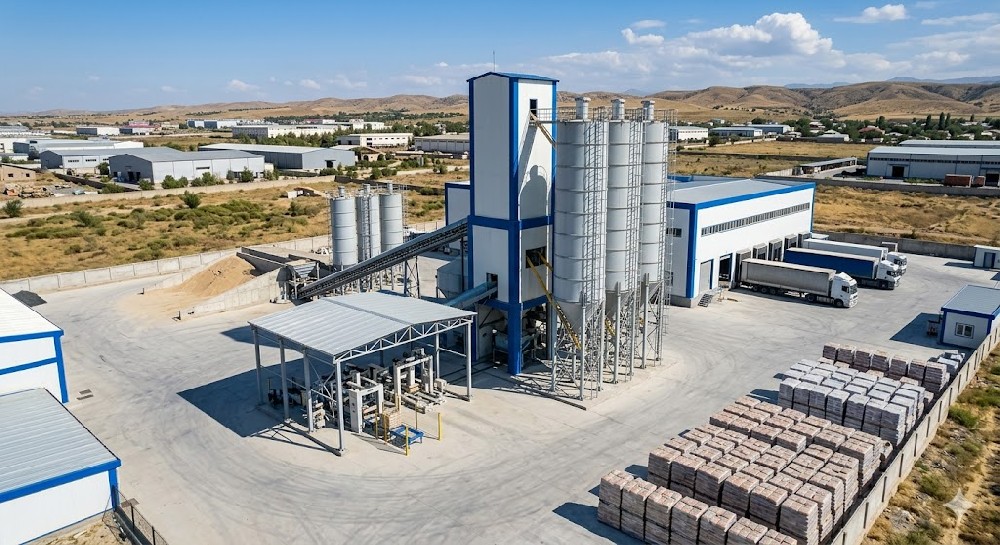
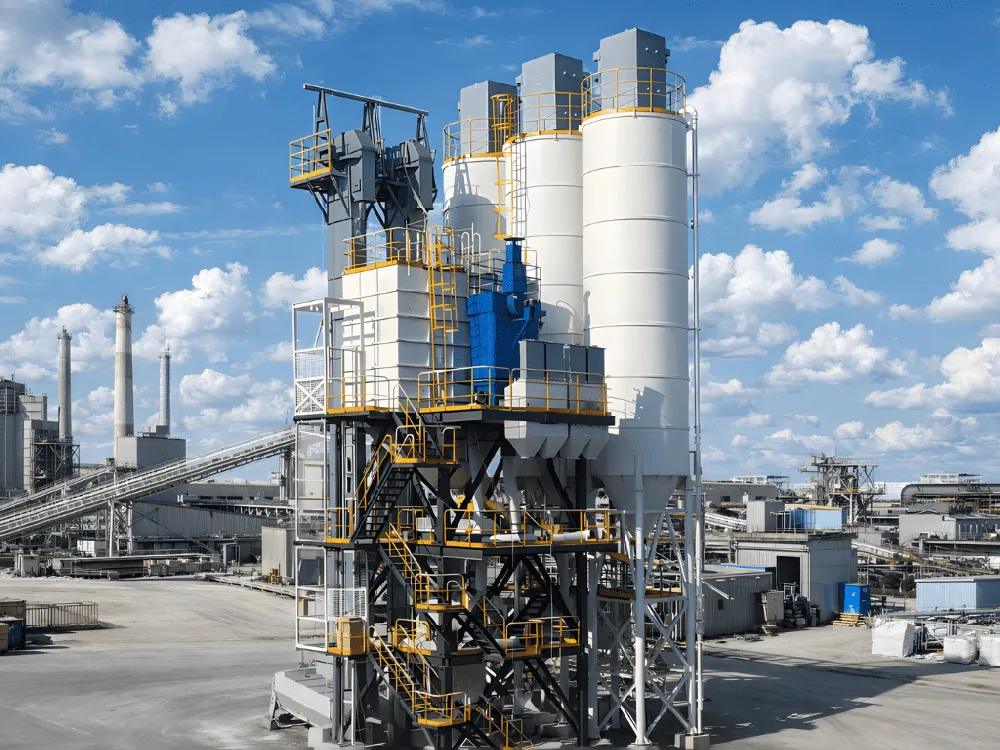
15 TPH Dry Mortar Production Plant for Building Materials Manufacturer in Uzbekistan
15 TPH Dry Mortar Production Plant for Building Materials Manufacturer in UzbekistanScaling Up with Automation: From Regional Supplier to Multi-Product Manufacturer1. Project BackgroundA building materials manufacturer in Uzbekistan had spent over a decade supplying concrete blocks, bricks, and basi
Equipment for Dry Mortar Production
Complete equipment supply for dry mix mortar plants — from sand drying and grinding to mixing and packaging.
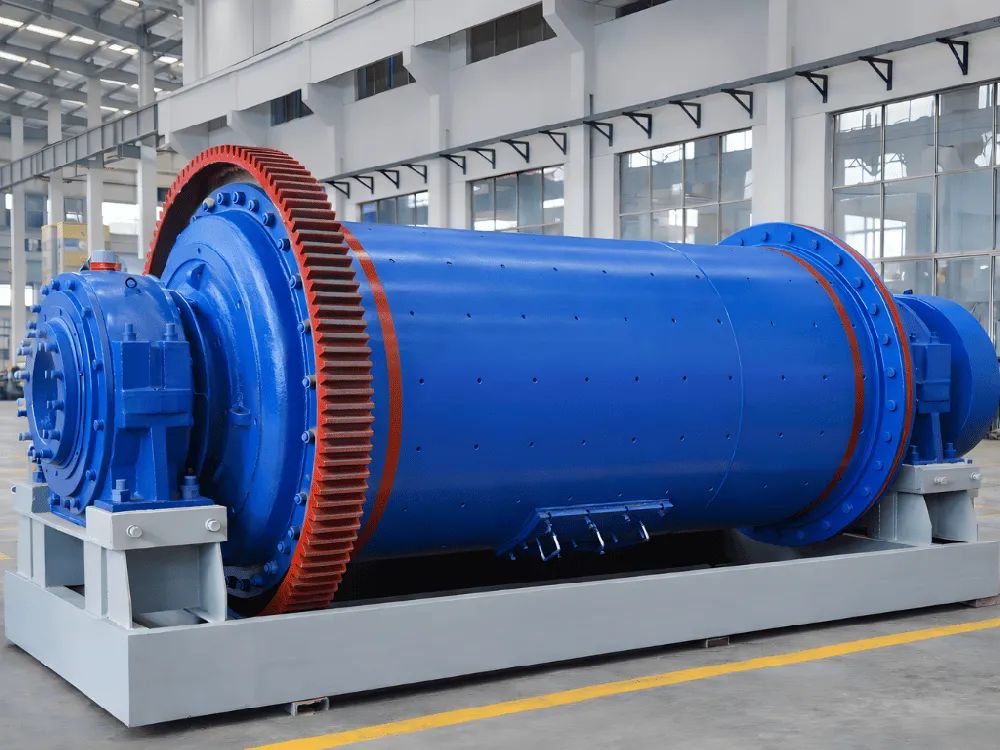
Drying & Grinding Equipment
Sand drying & raw material processing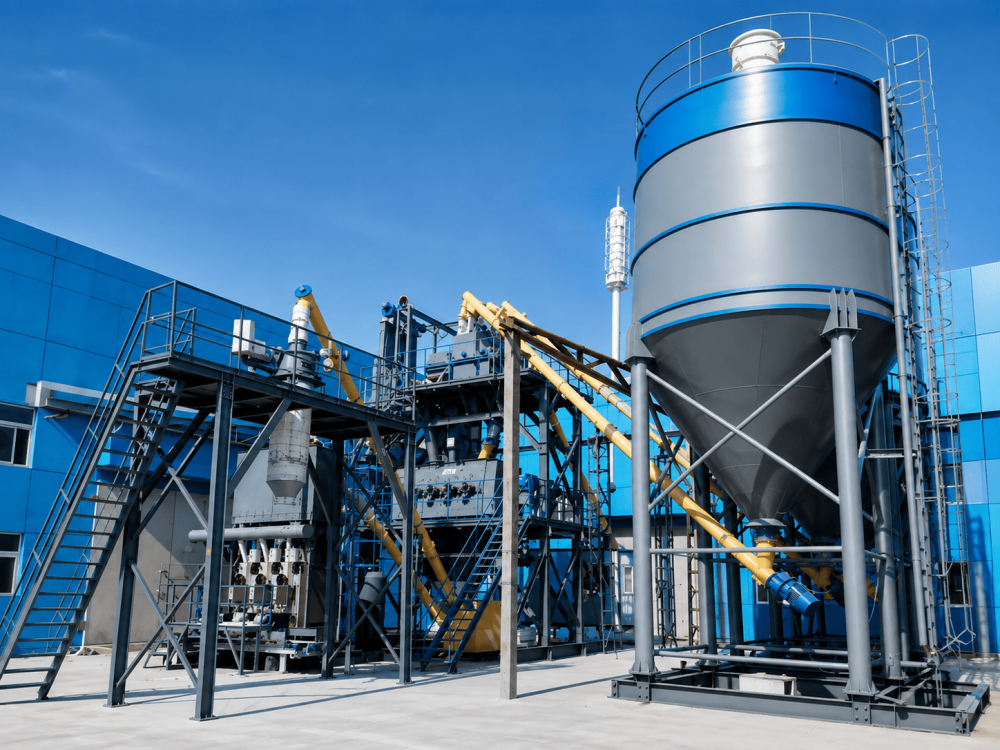

Sand Making & Concrete Plants
Sand preparation & mixing systems

Why Choose Sinoma for Your Dry Mortar Plant?
From design to commissioning — complete turnkey solutions backed by proven international project experience.
4+ Country Projects
Delivered dry mortar plants in Uzbekistan, Kazakhstan, Vietnam, and Indonesia — proven in diverse raw material conditions.
Turnkey EPC Service
Complete plant design, equipment manufacturing, installation, commissioning, and operator training — all from one supplier.
Custom Formulation
Recipe development for local raw materials. Multiple product types from one line: mortar, tile adhesive, putty, plaster.
10+ Year Support
Guaranteed spare parts supply for 10+ years. Remote technical support and on-site service available worldwide.
Browse Spare Parts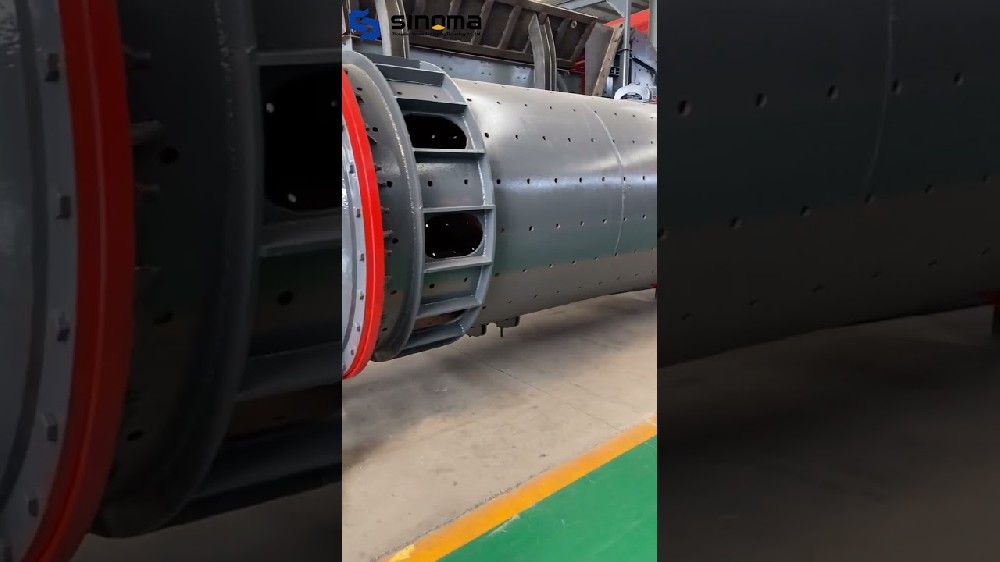
Dry Mortar Industry News & Knowledge
View All News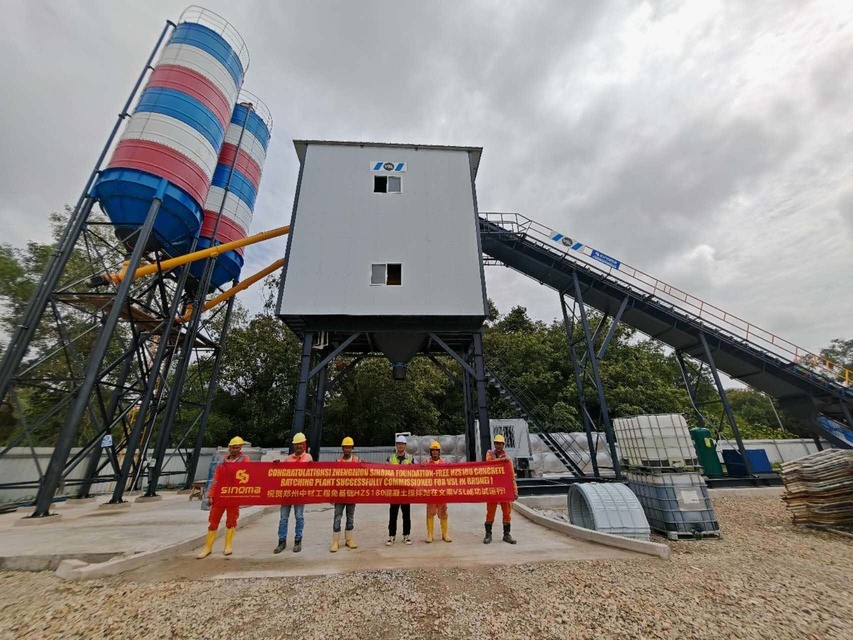
Brunei Client's Concrete Batching Plant Successfully Installed and Commissioned

Concrete Batching Plant Performance Optimization: Maximize Production Capacity

ZZZC Group Showcases Construction & Mining Equipment at MBAM OneBuild 2026 in Kuala Lumpur

Zhengzhou Zhongzhuo Group Will Attend MBAM OneBuild 2026 in Malaysia
Frequently Asked Questions
Common questions about dry mix mortar production lines, equipment, and turnkey services.
How much energy does a VRM save compared with a ball mill?
Read Full AnswerWhat does VRM stand for?
Read Full AnswerWhat is a quick-fit lining plate?
Read Full AnswerDo you supply lining plates and mixing arms for asphalt plants?
Read Full AnswerDo you supply lining plates for concrete batching plants?
Read Full AnswerWhat is the capacity of a raymond mill?
Read Full AnswerWhat is the fineness range of a raymond mill?
Read Full AnswerWhat materials can a raymond mill grind?
Read Full AnswerExplore More Topics
Discover more about Sinoma's products, services, and global presence.
Request a Consultation
Get a Quotation
Please fill in the form below (* are required) to send us a brief message, we will reply to you within 12 hours/provide you with the latest quotes.
SERVICE PROMISE
Senior technical engineers provide you with customized solutions and professional installation services to effectively solve your problem in after-sales.