
Triple Pass Rotary Dryer (Three-Drum) for Sand, Slag & Minerals
Triple pass rotary dryer (three-drum) for sand, slag, quartz, coal and minerals, 4-60 kW. Three self-insulating drums reuse heat, cutting fuel use by 30-40%. Get a quote!
Product Details
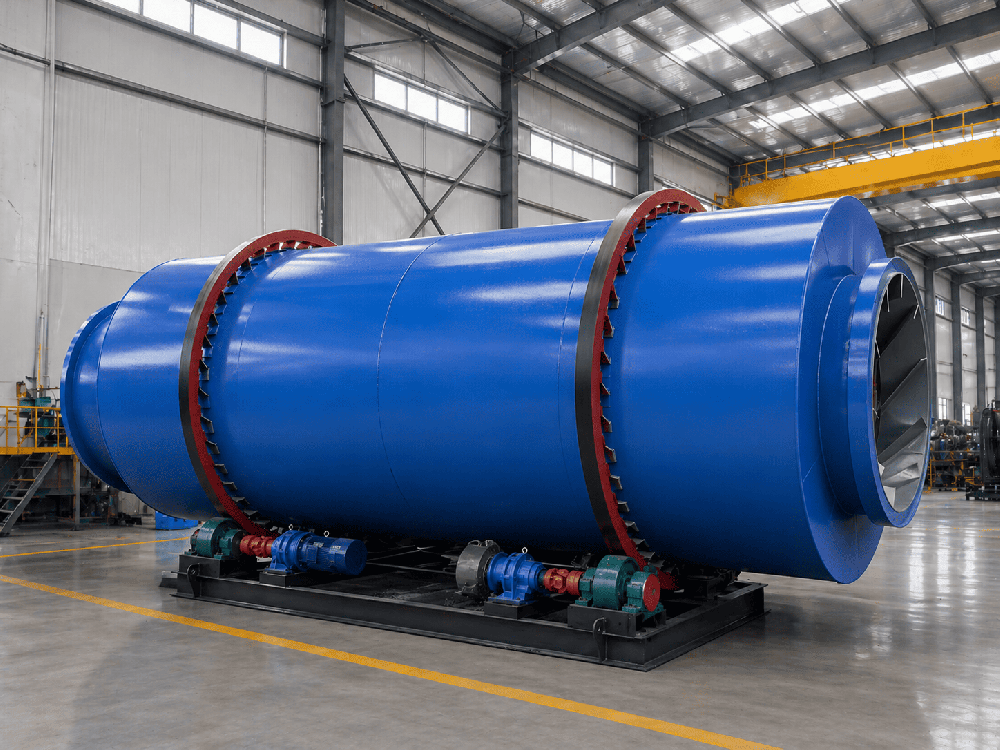
A triple pass rotary dryer, also called a three-drum or three-pass rotary dryer, is an industrial drying machine in which wet material passes through three nested, rotating drums. Hot gas flows through the drums while lifting plates shower the material, so drying, and often cooling, happen in a compact, self-insulating unit. It is the most efficient and space-saving dryer for free-flowing granular solids such as sand and is widely used in dry mortar plants, aggregate, mining, foundry and building-material industries.
What Is a Triple Pass Rotary Dryer?
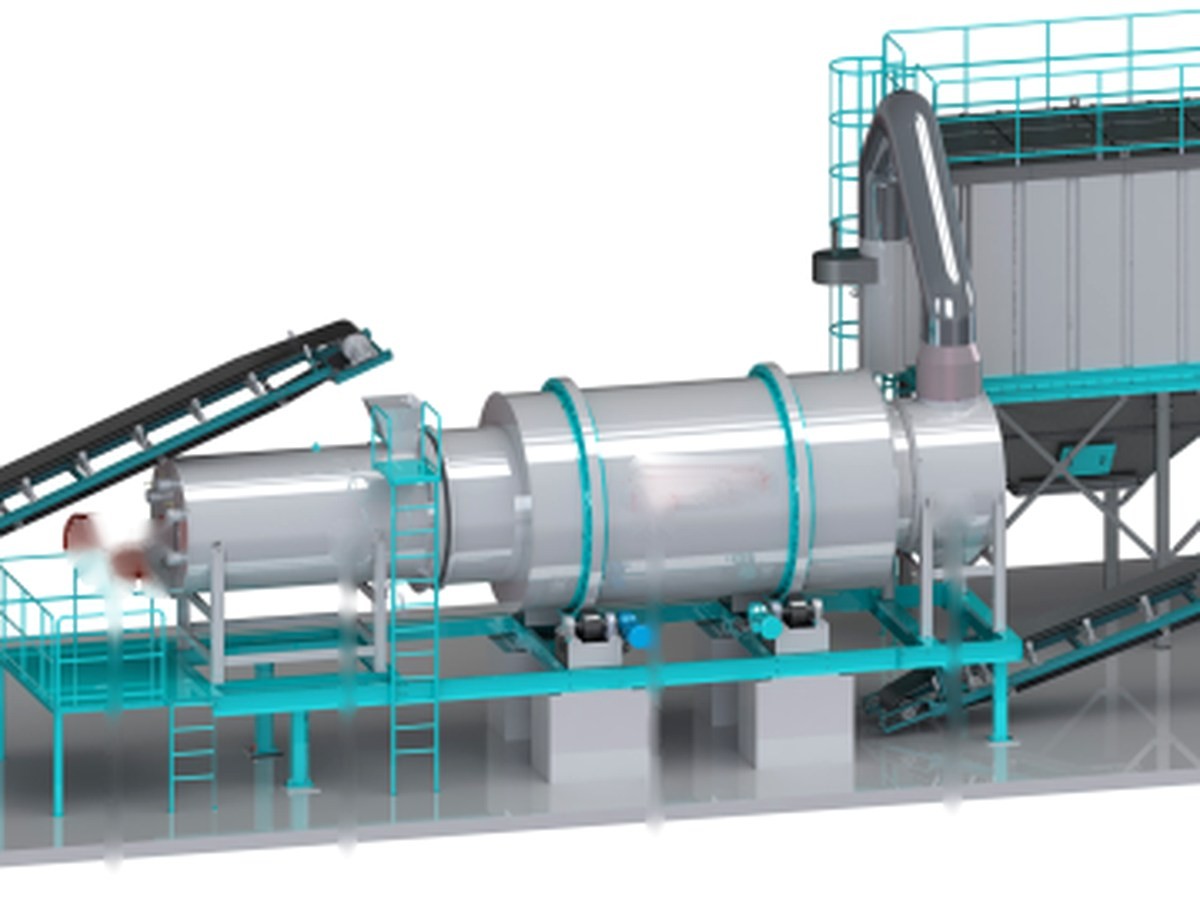
It consists of three concentric drums — an inner, a middle and an outer drum — mounted on support rollers and turned slowly by a drive. Material and hot gas travel through the drums in sequence; the outer drums reuse heat that would be lost from a single drum, which is why a triple pass dryer uses less fuel and needs much less floor length than a conventional single drum.
How It Works
Wet material is fed into the inner drum by a variable-speed feeder. As the drum rotates, lifting plates pick up the material and shower it through the hot gas in a cascading curtain for fast, even heat transfer. The material then moves through three stages:
Inner drum — the hottest gas; the material is showered and most of the water evaporates;
Middle drum — the material travels back and is dried further with the residual heat, serrated plates keeping it moving;
Outer drum — the material is cooled as it moves to the discharge end and leaves through a sealed hood and flap valve.
The three concentric drums form a self-insulating body, so heat that would escape from a single drum is reused. Exhaust and discharge temperatures stay low (the discharged product is typically around 60°C), which keeps fuel consumption down.
Structure and Main Components
Three concentric drums with different lifting plates for each drying stage;
Lifting plates (flights) — multi-bend and serrated designs shower the material evenly;
Riding rings and support rollers carry the drums; thrust rollers control axial movement;
Drive unit — motor with soft start / VFD, reducer and gear or friction drive;
Hot-air system — burner, hot-air duct and inlet hood;
Discharge hood with heavy flap valve keeps material and hot air separated and seals in heat;
Inlet/outlet seals prevent air leakage;
Dust collection — cyclone and/or bag filter clean the exhaust gas.
Single Drum vs Triple Pass Dryer
Triple pass (three-drum) — nested drums reuse heat and shorten the hot-gas path, giving about 30–40% lower fuel use than a single drum, with a compact footprint and less material wear; best for free-flowing granular material such as sand;
Single drum — one long, simple drum handles sticky, high-moisture or large-lump material more flexibly, with many flight designs and optional knockers, but it is longer, uses more fuel and needs more space.
Choose the triple pass for sand and other free-flowing granular solids where space and fuel matter; choose the single drum for coal slime, clay and other sticky, high-moisture feeds. See our single drum dryer.
Materials and Applications
The triple pass dryer handles granular and powdery materials up to about 50 mm, including river sand, manufactured sand, sea sand, quartz and silica sand, slag, iron and titanium powder, fluorite powder, foundry sand, frac sand and glass sand. It is widely used in dry mortar plants, aggregate and mining operations, and in the building-materials, metallurgy, foundry and petrochemical industries.
Key Advantages
High thermal efficiency — the self-insulating drums reuse waste heat and save about 30–40% fuel versus a single drum;
Compact nested drums cut the footprint and workshop length, reducing civil works;
Manganese-steel parts in contact with material resist heat, abrasion and corrosion for long service life;
Even showering and full heat exchange give stable, uniform final moisture;
Low discharge temperature and a sealed hood reduce heat loss;
Soft / VFD start protects the transmission; the machine runs quietly and reliably;
External dust collection keeps exhaust within environmental standards.
How to Choose / Sizing
Match the model to required capacity, initial and final moisture, material size and available space. The HY range covers small to large duties (about 4–60 kW, drum speed 6–9 r/min):
HY1625 / HY2240 for small outputs and pilot lines;
HY2958 / HY3270 for medium mortar-sand and aggregate drying;
HY3890 and larger for high-capacity commercial lines.
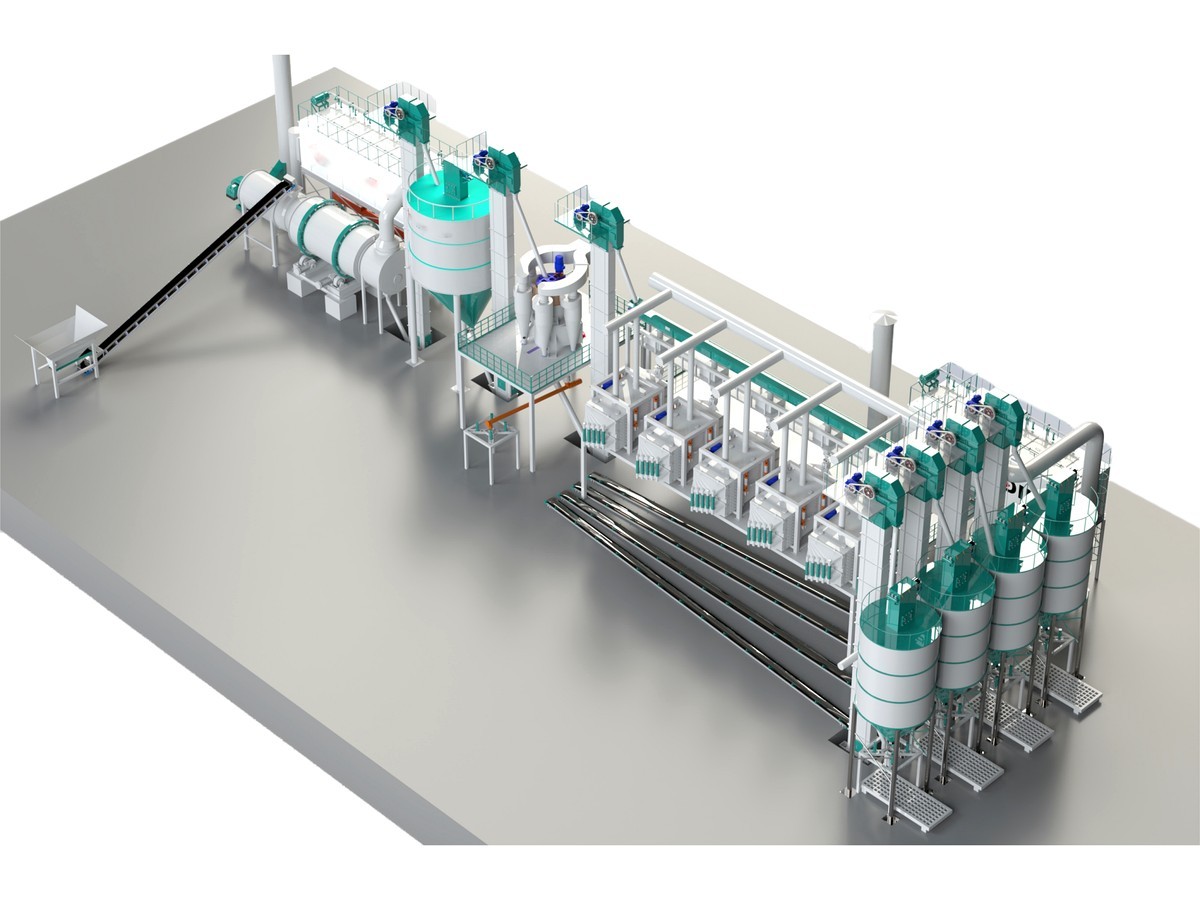
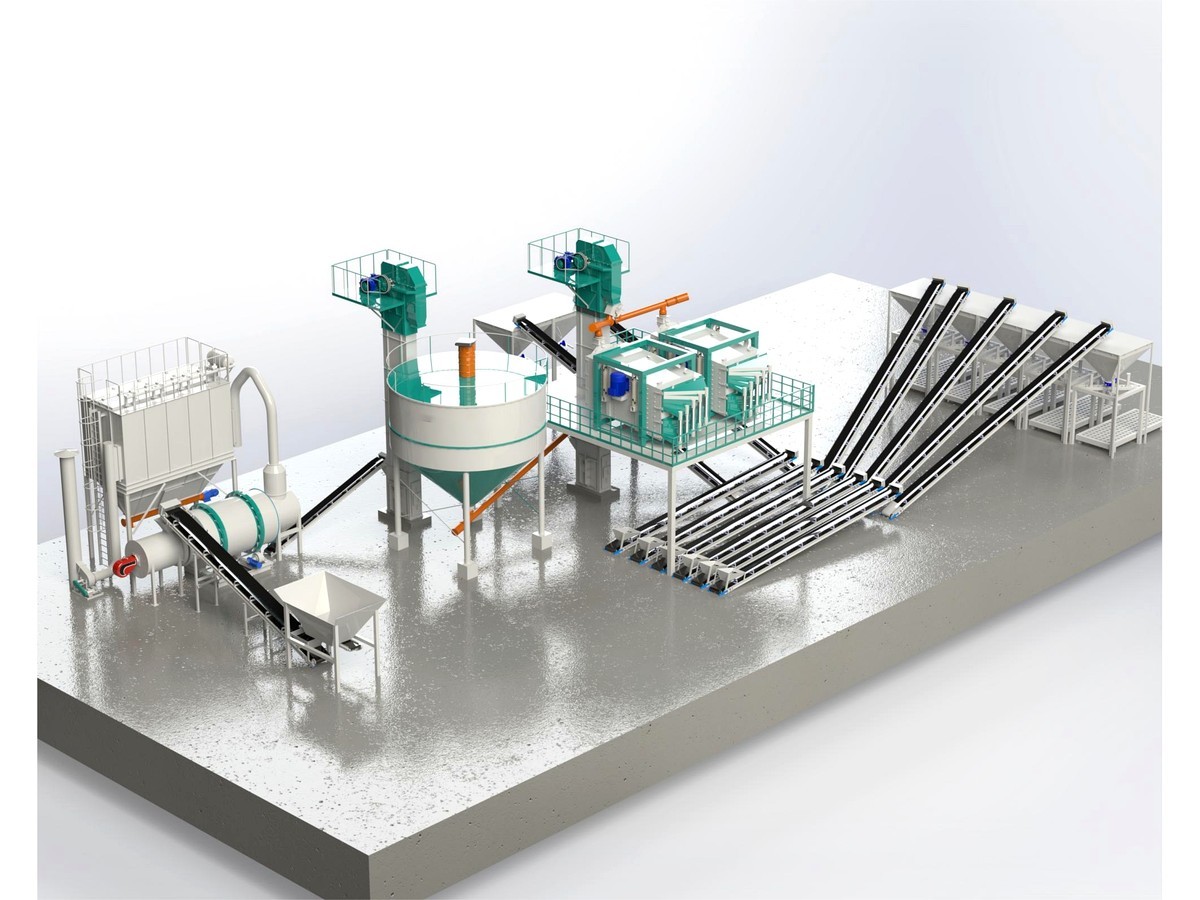
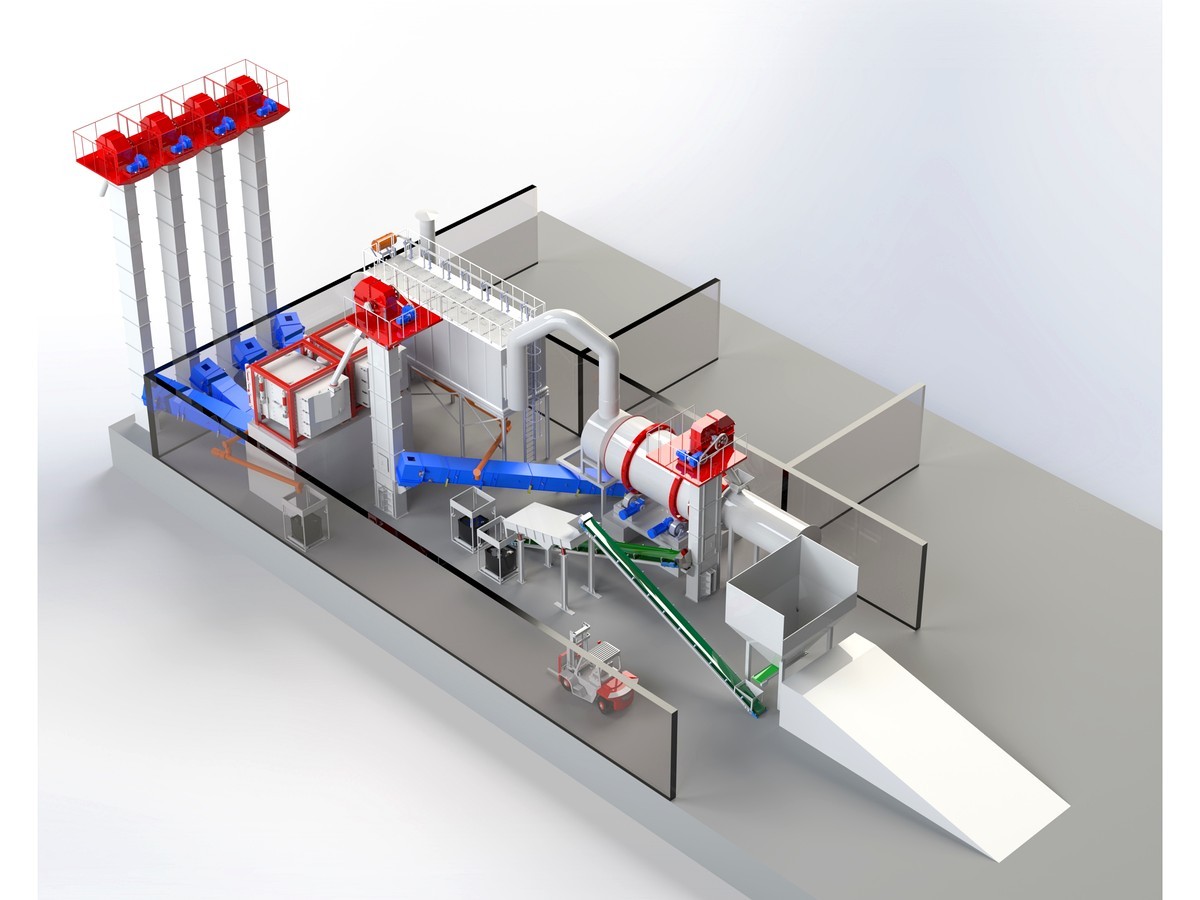
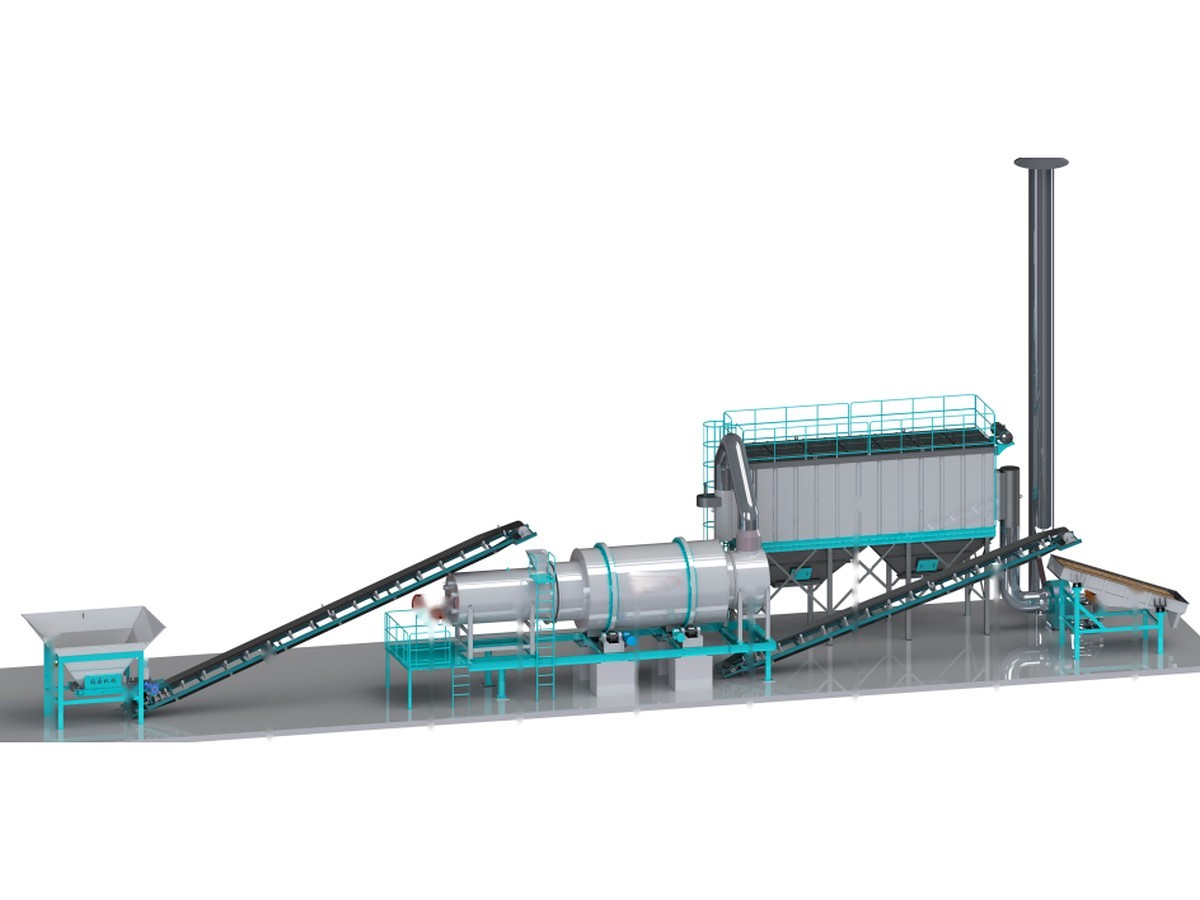
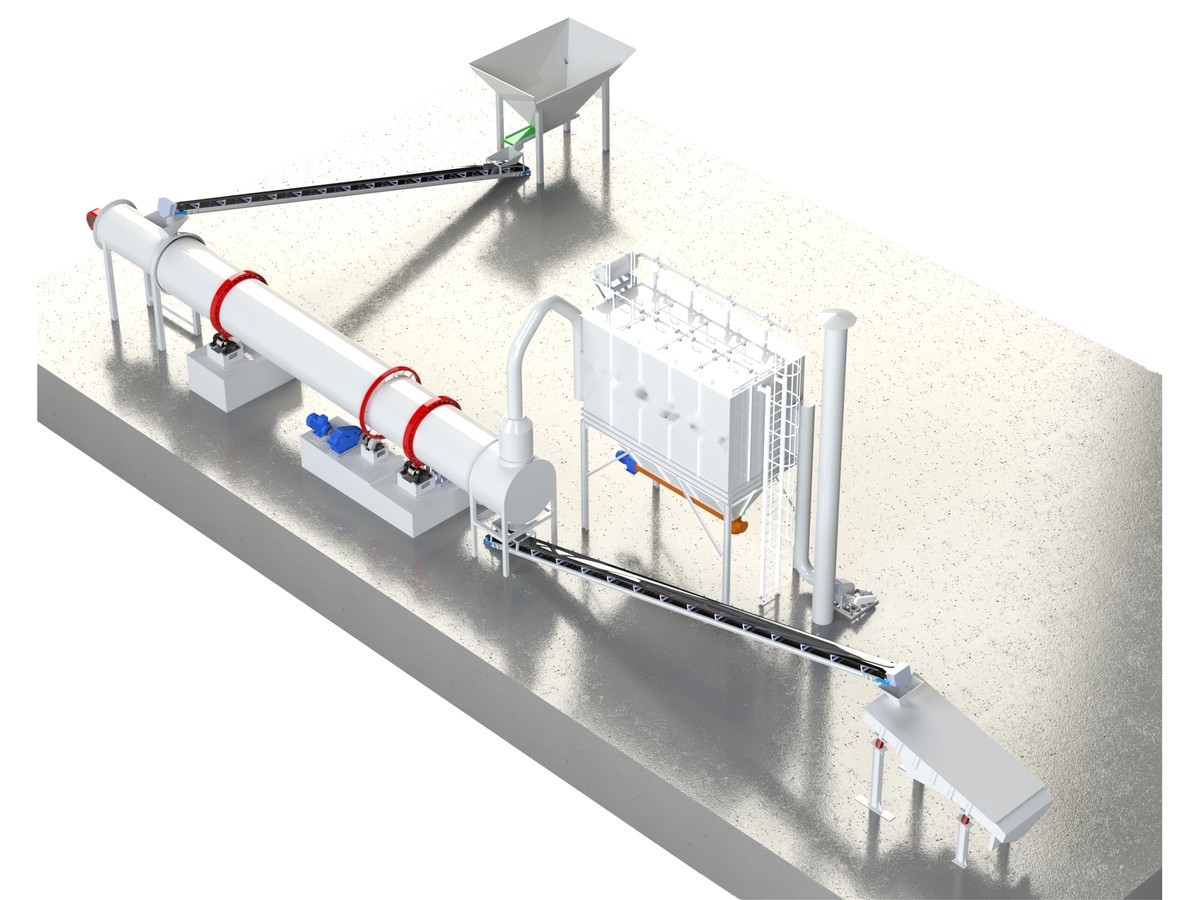
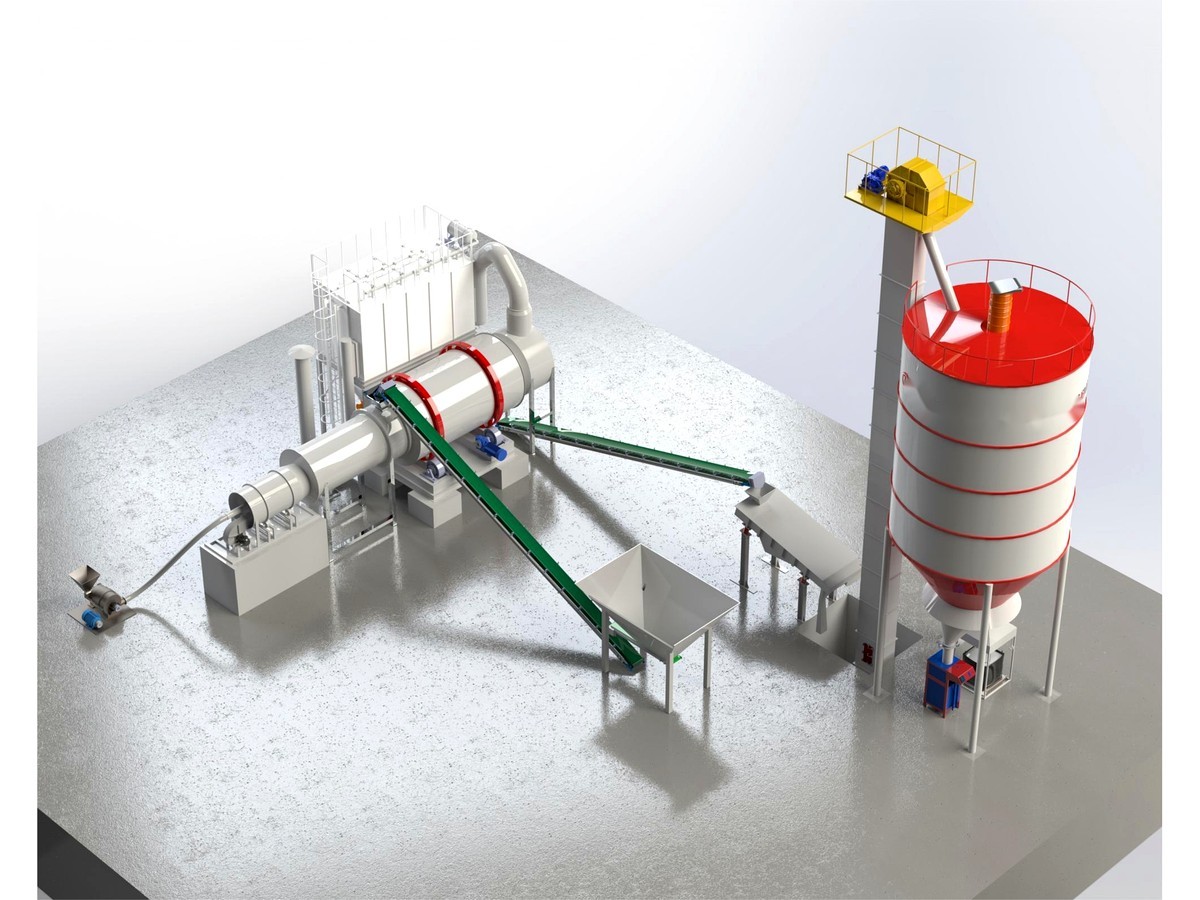
For a complete line we also supply the burner, hot-air duct, feeder, discharge conveyor, cyclone and bag filter, and can integrate the dryer with a dry mortar plant. Send us your material, capacity, inlet and target moisture and we will size the dryer and design the layout.
Related Equipment
Product Specifications
| Model | Motor Power (kW) | Speed (r/min) | Drum Size (mm) | Base Size (mm) |
|---|---|---|---|---|
| HY1625 | 4 | 8 | Φ1680×2500 | 2140×1380 |
| HY2240 | 7.5 | 9 | Φ2200×4000 | 2140×1960 |
| HY2958 | 5.5×4 | 8 | Φ2900×5800 | 3290×3450 |
| HY3270 | 11×4 | 7 | Φ3200×7000 | 4050×3770 |
| HY3890 | 15×4 | 6 | Φ3800×9000 | 4290×17670 |
NOTE: Capacity figures are based on general throughput of medium hardness materials. Actual performance may vary depending on feeding size, rock types and water content.
Installation & Service Process
Foundation Drawing
Within 3 days after signing
Professional engineers provide customized foundation drawings based on your site conditions.
Installation & Commissioning
10-15 days
Two experienced engineers provide on-site installation guidance and equipment commissioning.
Operator Training
2-3 days
Comprehensive training covering both theory and hands-on practice for your team.
After-Sales Support
24/7 Technical Support
- Video diagnosis within 2 hours
- Spare parts dispatched within 48 hours
- On-site engineer within 7 days (major countries)
Frequently Asked Questions
What after-sales support does ZZZC Group provide for this dryer?
How do I select the appropriate model for my project?
What are the key advantages of the triple-pass design?
What materials and moisture content can this dryer handle?
What is a Triple-Pass Rotary Dryer and how does it work?
Related Products


Get a Quotation
Please fill in the form below (* are required) to send us a brief message, we will reply to you within 12 hours/provide you with the latest quotes.
SERVICE PROMISE
Senior technical engineers provide you with customized solutions and professional installation services to effectively solve your problem in after-sales.