
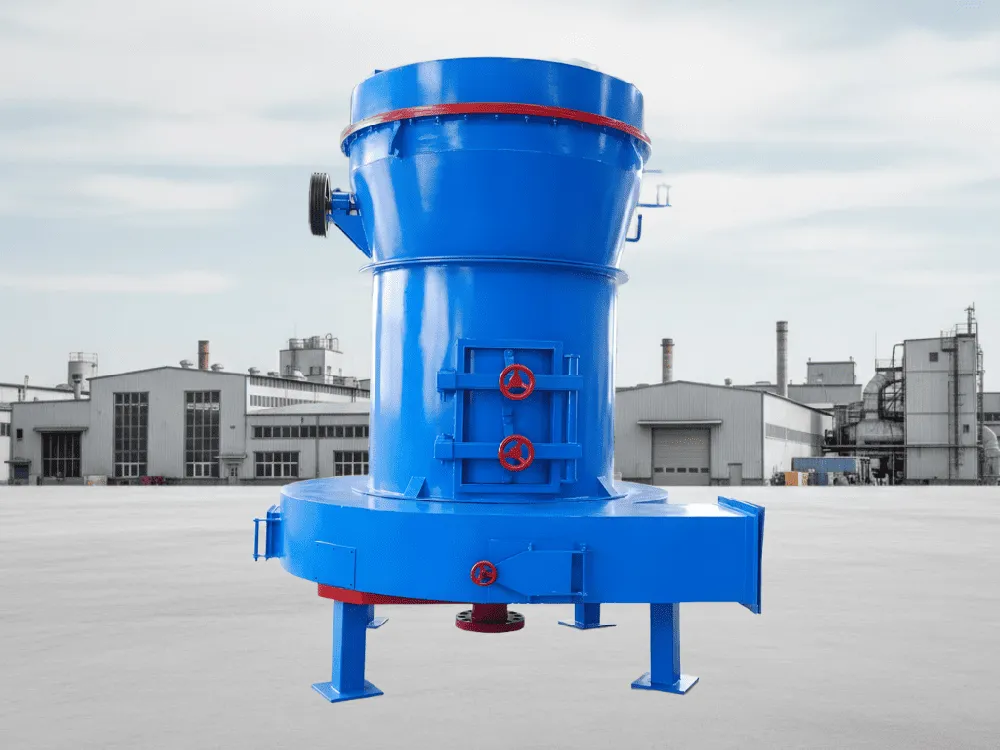
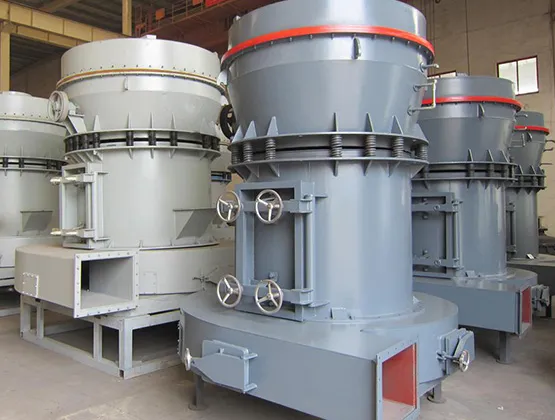
Raymond Mill for Mineral Powder | 80-325 Mesh Grinding Machine
Raymond mill for limestone, calcite, gypsum, talc & bentonite powder, fineness 80-325 mesh, capacity 0.3-15 t/h. Screening rate up to 99%, low energy & small footprint. Contact us for factory price.
Product Details
Product Overview
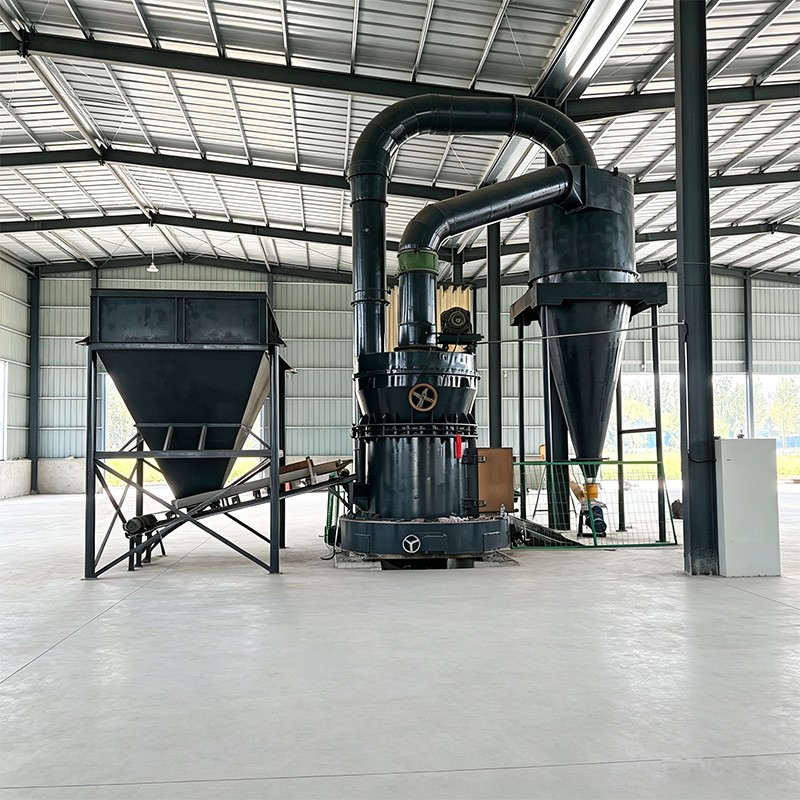
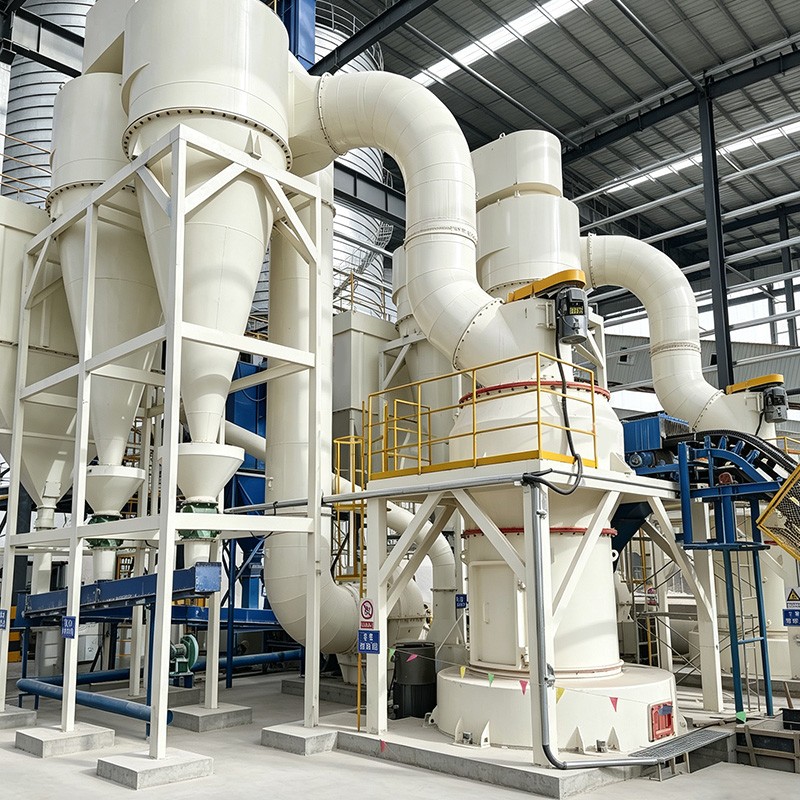
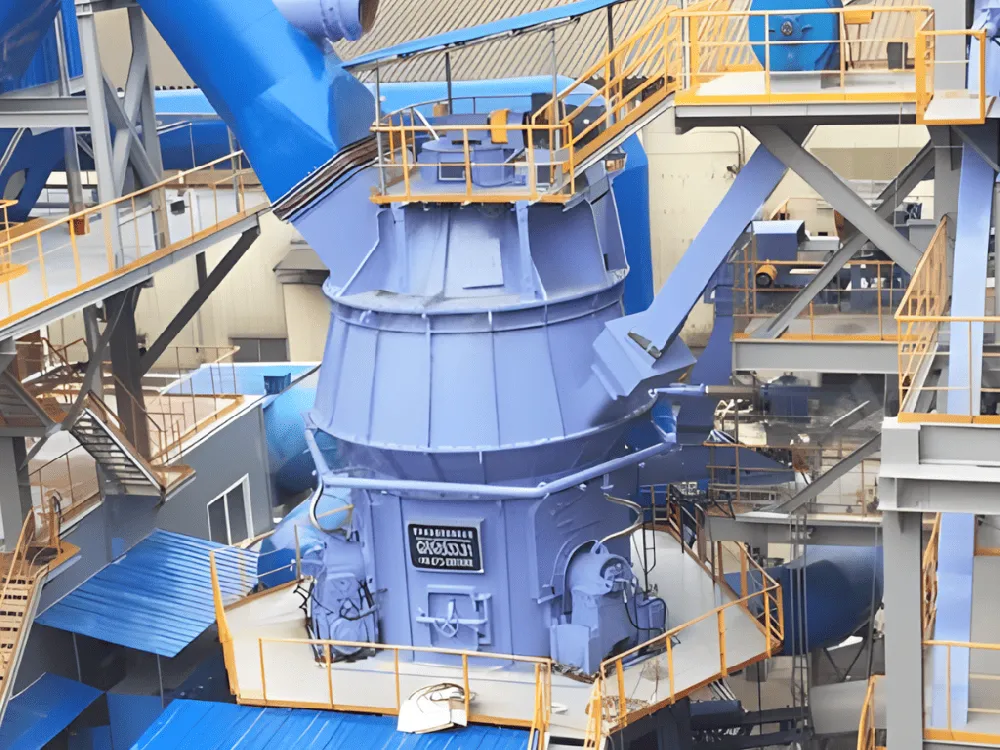
Zhengzhou Sinoma Raymond mills are vertical pendulum grinding machines designed for non-metallic minerals with hardness below Mohs 7, such as limestone, gypsum, calcite, talc, bentonite, barite and phosphate rock. Six models from 3R1510 to 4R3015 cover outputs from 0.3 to 5 t/h at finished fineness of 80–325 mesh (0.045–0.18 mm), with a screening rate of up to 99%.
Compared with ball mills, a Raymond mill needs a much smaller footprint, lower power consumption per ton and less capital investment, which makes it the first choice for medium and small grinding plants producing fillers, building materials and chemical powders.
Working Principle
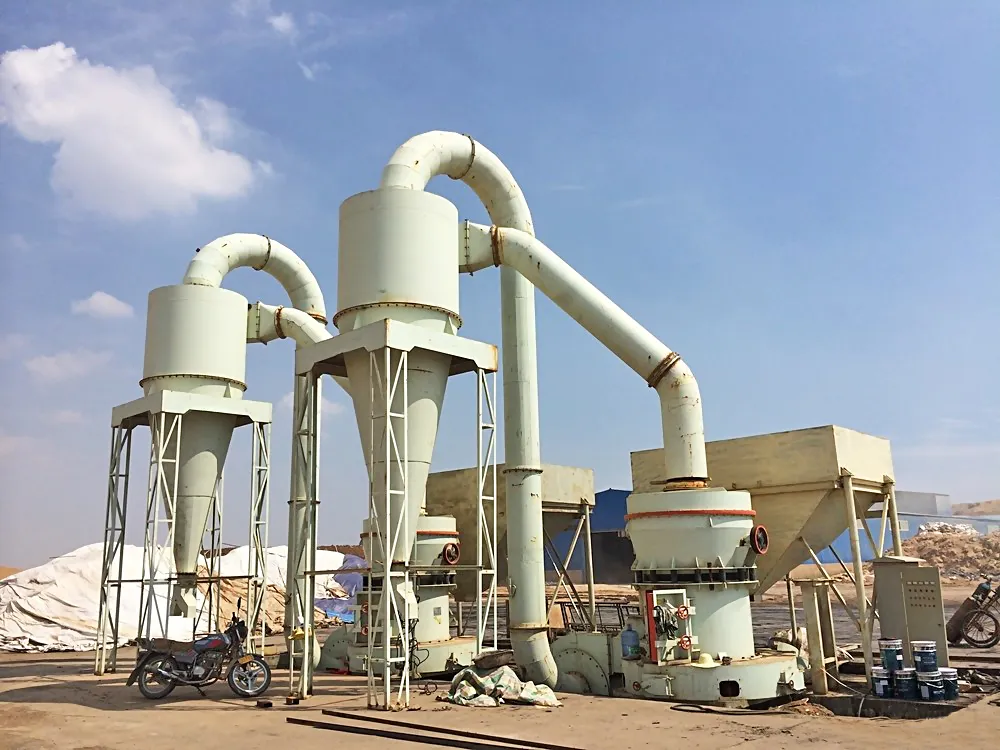
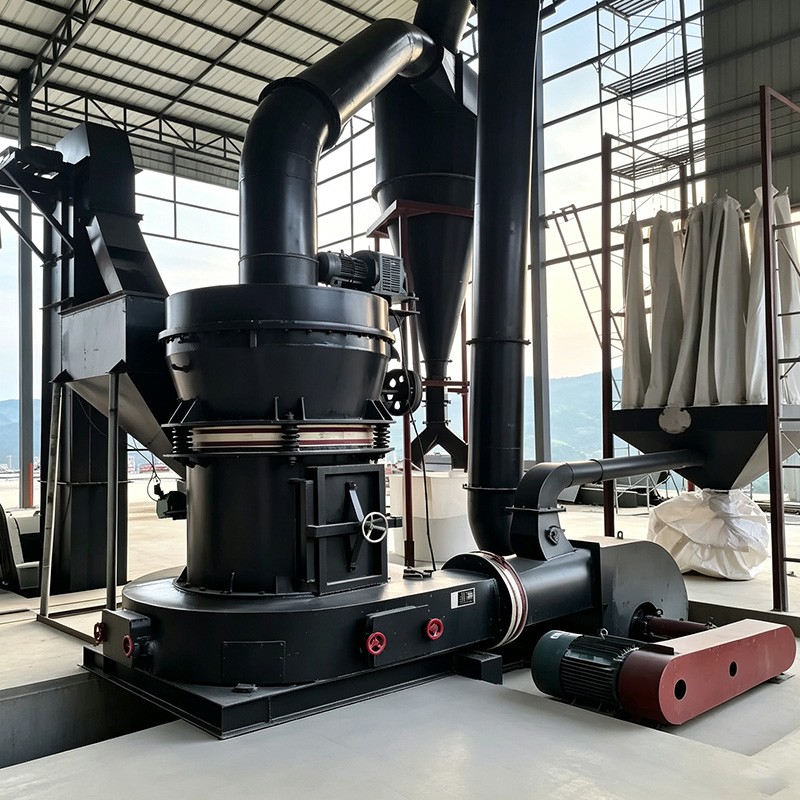
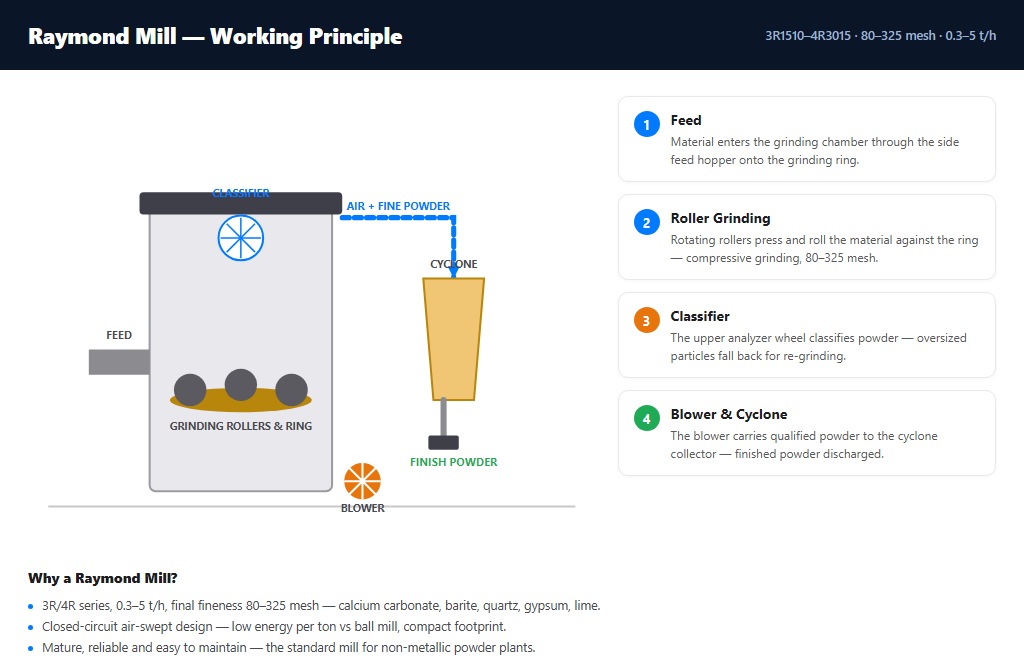
The Raymond mill forms a complete grinding system together with the bucket elevator, storage bin, electromagnetic vibrating feeder, main mill, analyzer, cyclone collector and blower:
Feeding – raw material is lifted to the storage bin by the bucket elevator and evenly fed into the grinding chamber by the electromagnetic vibrating feeder.
Grinding – the scraper and grinding rollers rotate together, scooping material into the gap between rollers and grinding ring, where it is ground by centrifugal rolling pressure.
Air classification – the blower carries the ground powder to the analyzer; powder meeting the fineness requirement passes through the blades and enters the cyclone collector.
Collection & recycling – finished powder is separated and discharged through the unloader; oversized particles fall back into the grinding chamber for re-grinding, while clean air returns to the blower through the return-air duct.
Key Features
Vertical, compact structure – complete production system from raw material feeding to packing on a small footprint, ideal for confined plants.
High screening rate up to 99% – precise air classification delivers stable, uniform fineness of 80–325 mesh.
Low energy consumption – closed gearbox and pulley transmission, centrifugal grinding at low power; typically 30–50% less energy per ton than ball milling for the same product.
Reliable, durable construction – key parts manufactured from high-quality castings, grinding rollers and rings are wear-resistant and easy to replace.
Centralized automatic control – one electrical panel controls feeding, grinding, classification and collection; low labor requirement.
Integrated dust-free system – cyclone collector plus optional bag filter keep the plant clean and compliant with environmental requirements.
Applications
Building materials – limestone, gypsum and slag powder for cement, mortar and putty production.
Non-metallic minerals – calcite, talc, barite, bentonite, kaolin, dolomite and wollastonite fine powder.
Chemical & metallurgical industry – powder for pigments, fillers, fertilizers and flux materials.
Agriculture & environmental – desulfurization limestone powder, activated carbon and feed additives.
How to Select the Right Raymond Mill
Selection is based on material hardness, feed size, target fineness and required capacity:
Output below 1.2 t/h – choose 3R1510 or 3R2115 for small plants and pilot lines;
Output 0.7–3 t/h – choose 3R2615 or 3R2715, the most widely used models;
Output 1–5 t/h with coarser product – choose 4R3016 or 4R3015 with a larger grinding ring diameter.
For fineness finer than 325 mesh or moisture above 6%, our engineers will recommend a mill with an upgraded analyzer, hot-air drying system, or a combined ball-mill circuit. Send us your material, feed size and target fineness – we will confirm the model and provide a complete plant layout within 24 hours.
Related Guides and Equipment
Raymond Mill: A Complete Guide for Efficient Powder Grinding
Setting Up a 10 TPH Raymond Mill Plant: Layout and Investment
Raymond Mill vs Ball Mill: How to Choose the Right Technology
Choosing the Right Grinding Mill: Raymond, Vertical and Ultrafine Mills
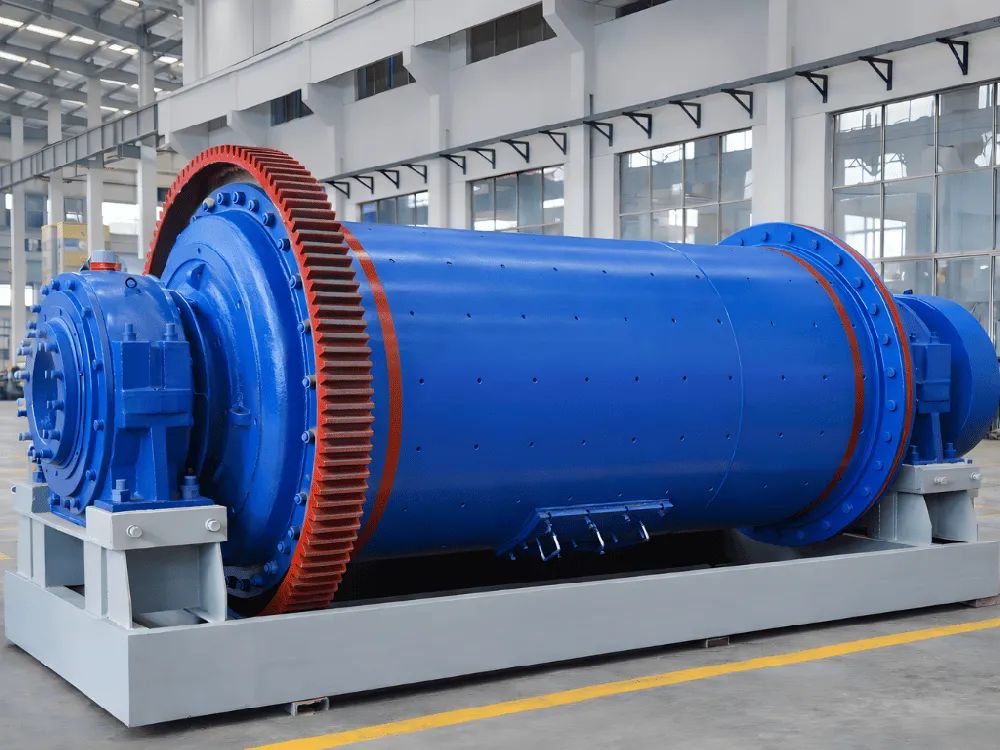
You may also be interested in our vertical roller mill, ball mill, ultrafine grinding mill and high-pressure suspension mill.
Product Specifications
| Model | Number of grinding rollers | Max feeding size (mm) | Finished product fineness (mesh) | Capacity (T/H) | Power (kw) | Overall dimensions (mm) |
|---|---|---|---|---|---|---|
| 3R1510 | 3 | 10 | 80-325 | 0.3-1.2 | 7.5 | 3200×2100×4500 |
| 3R2115 | 3 | 10 | 80-325 | 0.4-1.6 | 15 | 4100×3300×4500 |
| 3R2615 | 3 | 20 | 80-325 | 0.5-2.7 | 18.5 | 4300×3500×5100 |
| 3R2715 | 3 | 20 | 80-325 | 0.7-3 | 22 | 5300×4100×5200 |
| 4R3016 | 4 | 20 | 80-325 | 0.8-5 | 30 | 5300×4100×5200 |
| 4R3015 | 4 | 25 | 80-325 | 1.0-4 | 30 | 5500×4300×5400 |
| 4R3216 | 4 | 25 | 80-325 | 1.0-8 | 45 | 7100×5900×7900 |
| 4R3220 | 4 | 28 | 80-400 | 1-10 | 45 | 8000×6000×9500 |
| 5R4119 | 5 | 30 | 80-400 | 5-10 | 75 | 9200×7250×9700 |
| 6R4427 | 6 | 35 | 80-400 | 9-15 | 132 | 12550×5700×8355 |
NOTE: Capacity figures are based on general throughput of medium hardness materials. Actual performance may vary depending on feeding size, rock types and water content.
Installation & Service Process
Foundation Drawing
Within 3 days after signing
Professional engineers provide customized foundation drawings based on your site conditions.
Installation & Commissioning
10-15 days
Two experienced engineers provide on-site installation guidance and equipment commissioning.
Operator Training
2-3 days
Comprehensive training covering both theory and hands-on practice for your team.
After-Sales Support
24/7 Technical Support
- Video diagnosis within 2 hours
- Spare parts dispatched within 48 hours
- On-site engineer within 7 days (major countries)
Frequently Asked Questions
What is the capacity of a raymond mill?
What is the fineness range of a raymond mill?
What materials can a raymond mill grind?
What is the typical fineness of the finished powder?
What are the advantages of a Raymond grinding mill?
What materials can be processed by a Raymond mill?
How does a Raymond grinding mill work?
What is a Raymond grinding mill used for?
Related Products
Related Resources
Related Technical Articles
Get a Quotation
Please fill in the form below (* are required) to send us a brief message, we will reply to you within 12 hours/provide you with the latest quotes.
SERVICE PROMISE
Senior technical engineers provide you with customized solutions and professional installation services to effectively solve your problem in after-sales.