Q
How much energy does a VRM save compared with a ball mill?
A
A VRM typically uses 30–40% less electrical energy per tonne than a ball mill at the same fineness, and its built-in drying can remove the need for a separate dryer.
Q
What does VRM stand for?
A
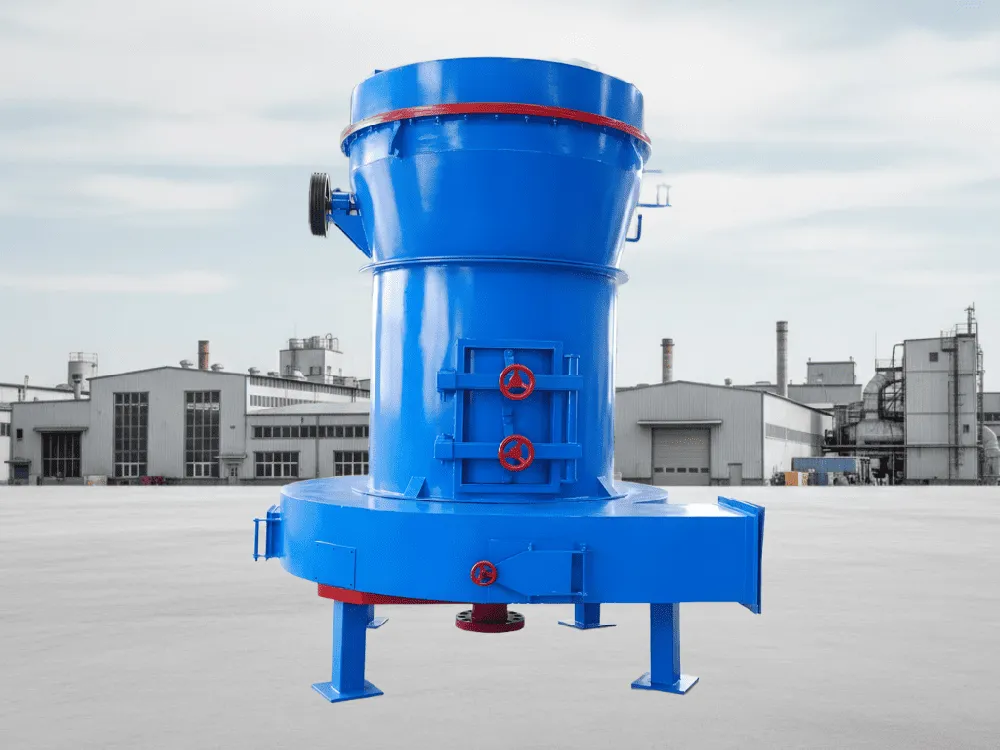
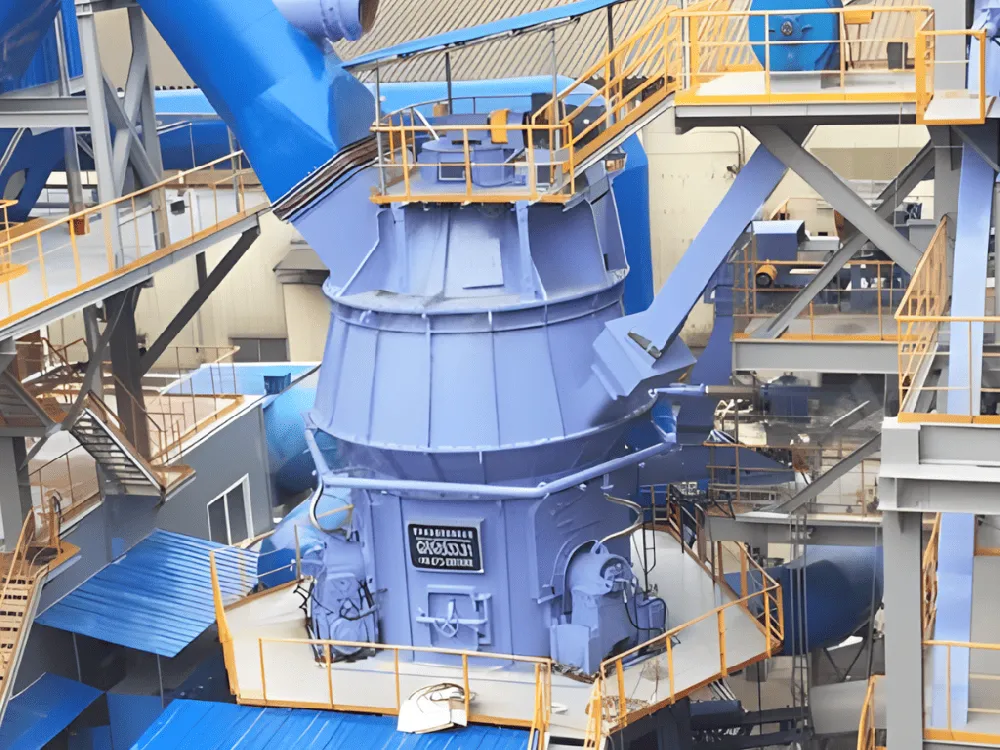
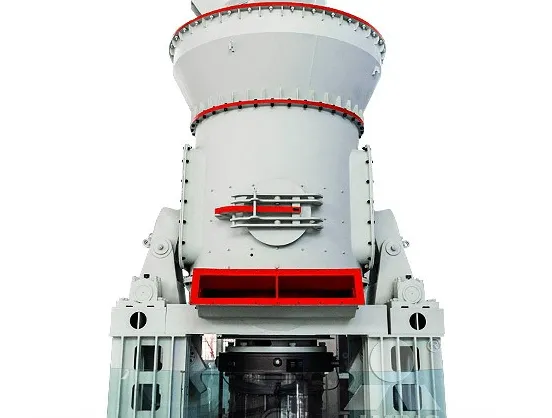
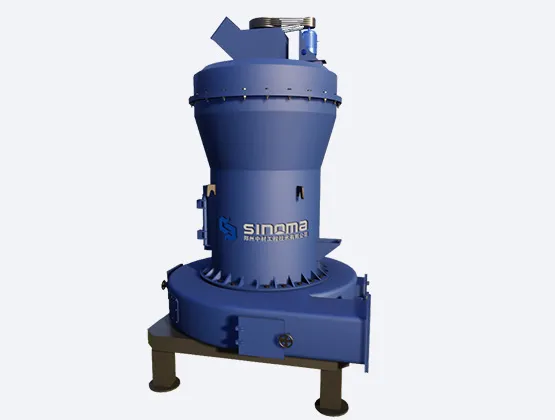
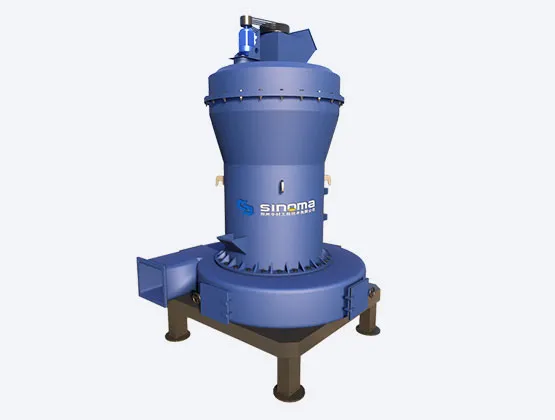
VRM stands for Vertical Roller Mill, a machine that dries, grinds and classifies material on a rotating table using hydraulically loaded rollers.
Q
What is a quick-fit lining plate?
A
A quick-fit lining plate uses standardized dimensions and pre-drilled mounting holes, so individual worn plates can be swapped rapidly during maintenance, reducing downtime.
Q
Do you supply lining plates and mixing arms for asphalt plants?
A
Yes. We supply heat- and wear-resistant dryer-drum liners and flights, hot-bin and screen liners, pugmill liners and mixing arms in Mn13/Mn18 manganese steel and Cr-Mo alloy.
Q
Do you supply lining plates for concrete batching plants?
A
Yes. We supply mixer bottom, side and end liners, aggregate batcher and weighing-hopper lining plates in manganese and alloy steel, machined to common mixer models with pre-drilled holes for quick fitting.
Q
What is the capacity of a raymond mill?
A
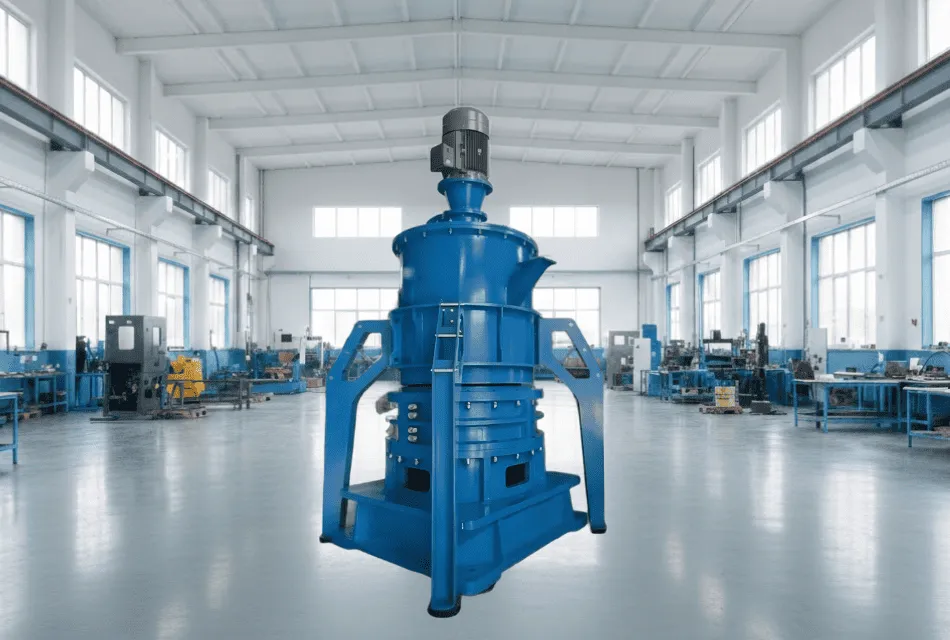
The capacity depends on the model and material. Our raymond mills cover small to medium output ranges suitable for mineral powder lines, and our engineers will recommend the right model based on your material, target fineness and hourly output. Contact us for a customized proposal.
Q
What is the fineness range of a raymond mill?
A
A raymond mill usually produces powder with fineness between 80 and 325 mesh, and can be adjusted by the analyzer according to your requirements. The high screening rate of up to 99% ensures consistent finished powder quality.
Q
What materials can a raymond mill grind?
A
A raymond mill is suitable for grinding non-metallic minerals with low to medium hardness, such as limestone, gypsum, calcite, talc, bentonite, barite, dolomite and kaolin. It is widely used in mining, building materials, chemical and metallurgy industries for mineral powder production.
Q
What is the capacity range of a foundation-free mixing plant?
A
Our foundation-free concrete mixing plants are available in HZS50, HZS75, HZS90, HZS120, HZS150 and HZS180 models. Choose according to your project scale and daily concrete output. Our engineers can help you select the right model and design the complete batching, weighing and mixing system.
Q
Does a foundation-free concrete mixing plant really not need a foundation?
A
Yes. Unlike traditional concrete batching plants that require reinforced concrete foundations, the foundation-free plant can be installed directly on a flat hardened surface. This eliminates foundation construction cost and greatly shortens the installation period, which is especially valuable for temporary or short-term projects.
Q
What is the power and weight of the bucket wheel sand washer?
A
Motor power ranges from 5.5 kW to 15 kW and machine weight from 2.4 t to 8.8 t depending on the model. Our engineers will help you select the right model and design the matching washing and dewatering system for your plant.
Q
Where is the bucket wheel sand washer used?
A
It is used in sand making plants, concrete aggregate production, expressway and hydropower construction, and mineral beneficiation plants for washing sand before use. It is often paired with a vertical shaft impact crusher and fine sand recycling system in a complete sand production line.
Q
How does a bucket wheel sand washer reduce sand loss?
A
The bucket wheel design gently lifts sand with minimal turbulence, and the tank and drainage system recover fine sand effectively. Compared with traditional washing methods, it significantly reduces the loss of medium-fine sand and stone powder, improving sand yield and reducing waste.
Q
What is the capacity of the bucket wheel sand washer?
A
Our bucket wheel sand washers cover 5 models: XS2600I (20-50 TPH), XS2600II (30-70 TPH), XS2800 (50-100 TPH), XS3200 (80-120 TPH) and XS3600 (120-180 TPH). Select the model according to your production line capacity.
Q
What is the difference between bucket wheel and spiral sand washer?
A
A bucket wheel sand washer uses a rotating bucket wheel to lift and wash sand, producing lower sand loss and cleaner output, suitable for medium and fine sand. A spiral sand washer uses a spiral shaft to stir and convey sand, better for coarser materials and higher clay content. The right choice depends on your sand type and cleanliness requirement.
Q
What is a bucket wheel sand washer?
A
A bucket wheel sand washer is a washing and dewatering machine that removes clay, dust and powder from manufactured sand. It uses a rotating bucket wheel to scoop, wash and discharge clean sand, and is widely used in sand making plants and aggregate production lines.
Q
What is the fineness of slag powder produced?
A
The finished slag powder from our GRMS vertical mills reaches a specific surface area of ≥420 m²/kg, meeting the standard for high-activity GGBS used in cement and concrete production. The integrated powder separator controls fineness precisely.
Q
What is the difference between a slag vertical mill and a ball mill?
A
A slag vertical roller mill grinds slag by pressing the material bed with rollers, while a ball mill uses steel balls in a rotating drum. The vertical mill has lower energy consumption, higher drying capacity, smaller footprint and easier fineness adjustment, making it the preferred choice for large-capacity GGBS production.
Q
How does a slag vertical mill save energy?
A
Compared with a ball mill, the slag vertical roller mill uses a material bed grinding principle with unit power consumption as low as 38 kWh/t. The integrated grinding, drying and classifying system avoids separate drying and conveying equipment, further reducing total energy and operating cost.
Q
What is the capacity of the slag vertical roller mill?
A
Our GRMS series slag vertical mills offer hourly output from 45 TPH to 170 TPH, with annual output from 30 to 120 ten-thousand tons. Choose the model according to your production target: GRMS33 for 45 TPH, GRMS40 for 65 TPH, GRMS46 for 90 TPH, GRMS53 for 150 TPH and GRMS56 for 170 TPH.
Q
What is GGBS and why is it used?
A
GGBS (ground granulated blast furnace slag) is a fine powder made by grinding granulated blast furnace slag. When mixed with cement, it improves concrete durability, reduces heat of hydration and lowers cost. Slag vertical roller mills are the most efficient equipment for producing high-quality GGBS.
Q
What is a slag vertical roller mill?
A
A slag vertical roller mill (slag vertical mill) is a large grinding machine that grinds, dries, classifies and collects blast furnace slag in one system to produce GGBS (ground granulated blast furnace slag) powder for cement production. It combines low energy consumption with high output and stable operation.
Q
What is your delivery time for custom lining plates?
A
For standard sizes and in-stock materials, delivery typically starts within 15 days after drawing confirmation. For custom casting orders, lead time depends on quantity and material. Our team will confirm the exact schedule when you place the order.
Q
Do you provide lining plates for ball mills?
A
Yes. We supply ball mill liners and lifting bars for cement, slag and mineral grinding. The liners are optimized for grinding efficiency and wear life, available in manganese steel and chrome-molybdenum alloy according to your mill specification.
Q
How long do wear-resistant lining plates last?
A
Service life depends on material type, working conditions and feed material. High manganese steel liners typically last longer under high-impact conditions, while alloy steel liners suit medium abrasion. We recommend the right material for your application to maximize service life and reduce replacement cost.
Q
Can I order lining plates with custom sizes or drawings?
A
Yes. Zhengzhou Sinoma manufactures lining plates according to your drawings, samples or detailed specifications. Send your drawings or worn parts, and our engineers will confirm the material and dimensions, then arrange OEM casting and machining for a perfect fit.
Q
What is the difference between Mn13 and Mn18 manganese steel?
A
Mn13 (Hadfield manganese steel) has 13% manganese and provides good work-hardening for medium-impact applications. Mn18 has 18% manganese with higher toughness and better work-hardening, ideal for high-impact, high-abrasion conditions such as crusher jaws and mill liners. Choose according to your impact level and wear conditions.
Q
What is a lining plate?
A
A lining plate, also called a wear liner, is a replaceable wear-resistant component installed inside concrete mixers, batching plants, ball mills and crushers to protect the shell from abrasion and impact. It extends equipment service life and is replaced when worn out.
Q
How to choose the right PEX jaw crusher model?
A
Select the model according to your feeding size, target output size and required capacity. For capacity below 30 TPH choose PEX-150x750; for 30-60 TPH choose PEX-250x1000 or PEX-250x1200; for higher output choose PEX-300x1300. Our engineers can help you select the right model for your stone production line.
Q
What materials can a PEX jaw crusher process?
A
PEX jaw crusher can process limestone, granite, basalt, river stone, iron ore, coal and other medium-hard materials. It is widely used in aggregate production, quarrying and sand making plants for secondary fine crushing.
Q
What is the feeding size and capacity of PEX jaw crusher?
A
PEX jaw crusher handles a max feeding size of 120-250 mm with adjustable discharge opening of 18-90 mm. Production capacity ranges from 8 to 65 TPH depending on the model and material hardness. Actual output may vary with feeding size, rock type and water content.
Q
Can a PEX jaw crusher replace a cone crusher?
A
Yes, in many medium-hard stone production lines a PEX jaw crusher can replace a cone crusher for secondary crushing. Due to its lower price and simpler maintenance, many users choose a PEX jaw crusher instead of a cone crusher when the feed material is not too hard. For hard abrasive rock, a cone crusher is still recommended.
Q
What is the difference between PE and PEX jaw crusher?
A
PE jaw crusher is used for primary coarse crushing of large rocks, while PEX jaw crusher is designed for fine secondary crushing. PEX crushers have a narrower discharge opening and produce finer output, making them ideal as a second-stage crusher in stone and sand production lines.
Q
What is a PEX jaw crusher?
A
PEX jaw crusher is a fine jaw crusher specially designed for secondary crushing. It crushes materials into smaller sizes after primary crushing, commonly used in stone production lines and sand making lines. Popular models include PEX-150x750, PEX-250x1000, PEX-250x1200 and PEX-300x1300, with capacity from 8 to 105 TPH.
Q
What after-sales support does ZZZC Group provide?
A
ZZZC Group provides comprehensive after-sales support. From the initial inquiry, their senior technical engineers work with you to develop a customized solution. Their services cover the entire project lifecycle, including project design, equipment installation, and testing and maintenance.
Q
What capacities and specifications are available?
A
ZZZC Group offers a range of models with capacities from 25 to 90 tons per hour (TPH). The motor power for these models ranges from 37 to 160 kW. The standard models are as follows:
ф2.5×22 m
ф3×20 m
ф3.2×32 m
ф3.6×36 m
ф4×40 m
ф2.5×22 m
ф3×20 m
ф3.2×32 m
ф3.6×36 m
ф4×40 m
Q
What are its key performance advantages?
A
The dryer's design offers several specialized benefits:
Efficient Drying: Custom-designed lifting blades create a uniform material curtain for maximum heat exchange.
Anti-Sticking & Anti-Crushing: Vibration devices prevent sticky materials from clumping, while internal devices minimize particle breakage.
Dust Control: A tail hood design is tailored for different materials to reduce wind speed and improve dust removal.
Energy Saving: Its optimized roller design reduces power consumption by over 30%, contributing to lower operational costs.
Q
What types of materials is the single-drum dryer designed to handle?
A
It is specifically engineered for high-moisture, high-viscosity materials. Common applications include coal slime, lithium mica, and clay, which are widely used in industries like building materials, metallurgy, mining, and environmental protection.
Q
What is a Single-Drum Dryer and how does it work?
A
A Single-Drum Dryer is a rotating cylinder that uses high-temperature gas to dry materials with high moisture content. Wet material enters the slightly inclined, rotating drum and is repeatedly lifted and dispersed by specially designed internal blades, creating a uniform curtain of material. This maximizes contact with the hot gas stream, enabling efficient heat exchange and moisture evaporation until the desired dryness is achieved.
Q
What after-sales support does ZZZC Group provide for this dryer?
A
ZZZC Group provides comprehensive after-sales service including installation guidance, commissioning support, and operator training. Genuine factory spare parts are available for long-term equipment reliability. Key wear components are manufactured from wear-resistant materials to extend service life. Our technical team ensures prompt response for troubleshooting and maintenance support throughout the equipment lifecycle.
Q
How do I select the appropriate model for my project?
A
ZZZC Group offers models from φ1.6×3.2m to φ3.0×7.0m, covering inlet temperatures of ≥700°C, capacities of 5–40 t/h, and motor power of 5.5–30 kW. Model selection depends on your material moisture content, target dried moisture, required capacity, and available fuel type (coal, gas, or biomass). Our technical team can recommend the optimal specification based on your processing requirements and site conditions.
Q
What are the key advantages of the triple-pass design?
A
Compared to conventional single-pass dryers, the triple-pass design offers several core advantages: compact footprint (approximately 60% less floor space), superior thermal efficiency through multi-pass heat exchange, reduced heat loss from the insulated outer shell, and lower fuel consumption. The sealed structure with integrated dust collection also ensures an environmentally friendly, low-dust working environment.
Q
What materials and moisture content can this dryer handle?
A
The Triple-Pass Dryer is suitable for granular materials with 20–40% moisture content, including construction materials such as yellow sand, river sand and slag, as well as other granular industrial materials. Dried product moisture content is typically controlled below 0.5–1% to meet downstream processing or product specification requirements. Material particle size should not exceed 20–30 mm for optimal performance.
Q
What is a Triple-Pass Rotary Dryer and how does it work?
A
A Triple-Pass Rotary Dryer is a high-efficiency industrial drying system featuring three concentric cylinders. Wet material enters the inner cylinder and is carried through multiple passes by a spiral lifting system. Hot air flows through each cylinder in sequence, enabling repeated heat exchange contact. As the material travels through the inner, middle, and outer cylinders in a cascading motion, it achieves thorough drying before final discharge. This multi-pass design maximizes thermal efficiency while minimizing equipment footprint.
Q
What are the core advantages and after-sales support for this equipment?
A
The production line delivers high mixing uniformity with stable product quality, intelligent PLC automation control, and an energy-saving, environmentally friendly design with integrated dust collection. ZZZC Group provides genuine factory spare parts support, ensuring long-term equipment reliability. Our modular construction also simplifies future capacity expansion and maintenance, reducing total cost of ownership over the equipment lifecycle.
Q
Can the production line be customized to meet specific project requirements?
A
Yes. The production line features a modular design that allows flexible expansion and customization. Key customizable elements include sand bin configuration and capacity, powder silo quantity and volume, packaging unit configuration, main structure type (full steel or semi-steel), and probability screen options. This modular approach ensures the system can be tailored to your exact production scale, site layout, and product type requirements.
Q
What types of mortar products can this production line manufacture?
A
The production line is widely used for producing masonry mortar, plastering mortar, tile adhesive, insulation mortar, and various special dry mortar products. It serves construction material factories, ready-mix mortar plants, and infrastructure/real estate projects. The system is compatible with both bulk loading and bagging packaging systems, offering flexibility for different end-product delivery requirements.
Q
What capacity ranges are available, and how do I choose the right configuration?
A
The production line offers a capacity range of 10–100 t/h to accommodate different project scales. ZZZC Group provides five standard configurations to match varying requirements: Tower-Type (compact, high automation, ideal for large-scale continuous production), Floor-Type (flexible layout, lower initial investment, suitable for medium-scale operations), Stationary (lower equipment cost, suitable for budget-conscious projects), and Factory-Type (designed for special mortar bagging production inside standard factory buildings). Based on your production targets, site conditions, and budget, our team can recommend the most suitable configuration.
Q
What is a Dry Mortar Production Line and how does it work?
A
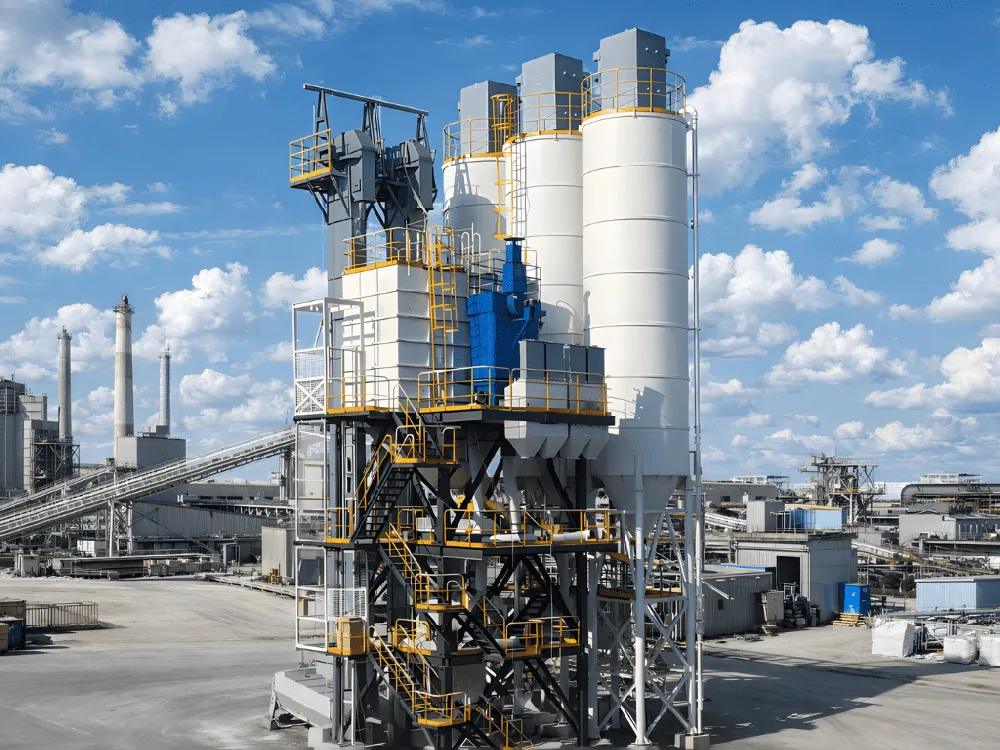
A Dry Mortar Production Line is a complete system that precisely batches, mixes, and packages dry mortar materials. The system integrates raw material storage silos, a metering and batching system, a mixing system, a packaging system, a bulk loading system, a dust collection system, and a quality control system. By automating the entire process from raw material feeding to finished product output, it efficiently produces high-performance dry mortar for construction applications.
Q
What are the advantages of the JS1000 concrete mixer?
A
The mixer features high mixing efficiency, strong wear-resistant liners, stable operation, low energy consumption, and easy maintenance, making it widely used in construction sites and precast concrete plants.
Q
Can the JS1000 concrete mixer be used with a batching plant?
A
Yes. The JS1000 mixer can work independently or together with a PLD batching machine to form a complete concrete batching plant system.
Q
What materials can the JS1000 mixer handle?
A
This mixer can process cement, sand, gravel, crushed stone, water, fly ash, and chemical additives, producing high-quality concrete for different construction needs.
Q
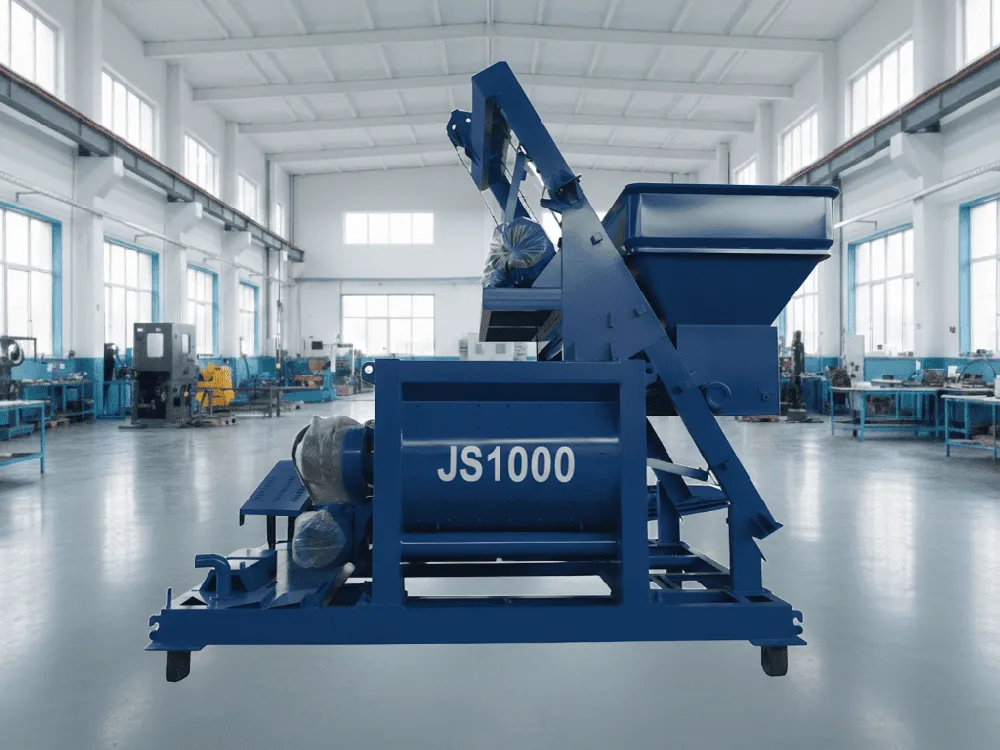
What type of mixer is the JS1000 concrete mixer?
A
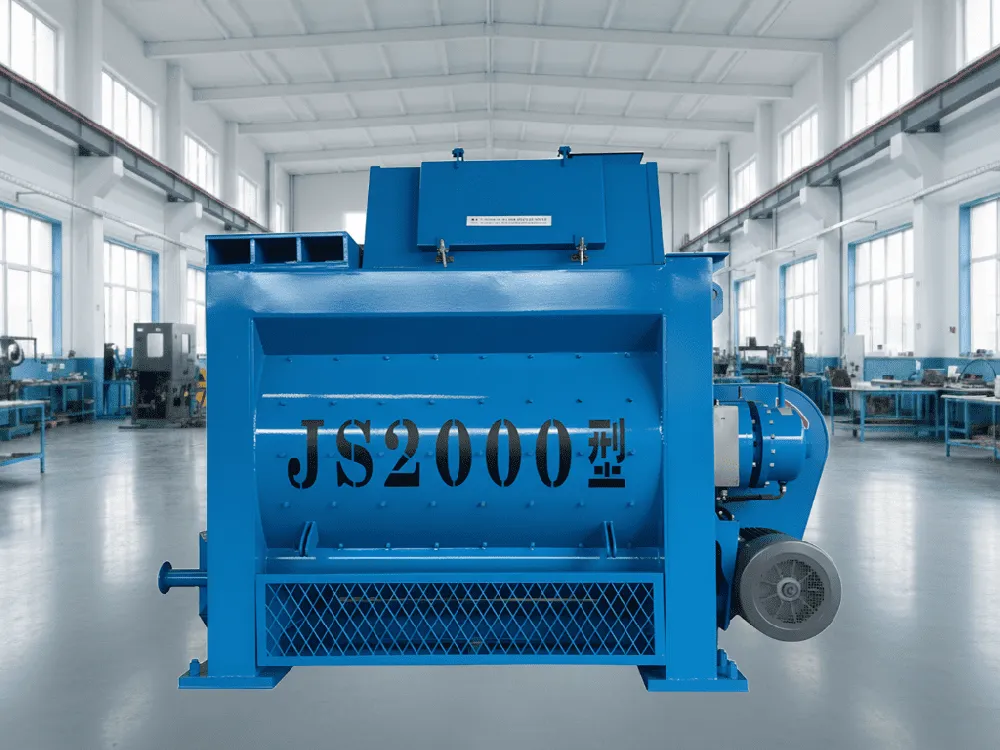
The JS1000 is a twin-shaft forced concrete mixer that uses two counter-rotating mixing shafts to ensure fast and uniform mixing of concrete materials.
Q
What is the capacity of the JS1000 concrete mixer?
A
The JS1000 concrete mixer has a 1000L discharge capacity per batch and a theoretical productivity of about 50–60 m³/h, making it suitable for medium-scale concrete production projects.
Q
What are the advantages of the JS1500 concrete mixer?
A
The mixer features high mixing efficiency, durable wear-resistant materials, hydraulic discharge, low noise, and easy maintenance, ensuring stable and reliable operation in construction projects.
Q
What materials can the JS1500 concrete mixer process?
A
It can mix various materials such as cement, sand, gravel, crushed stone, water, and admixtures, with a maximum aggregate size of 60–80 mm depending on the material type.
Q
Can the JS1500 mixer be used with a batching plant?
A
Yes. The JS1500 mixer can operate independently or be combined with a PLD series batching machine to form a complete concrete batching plant for automated production.
Q
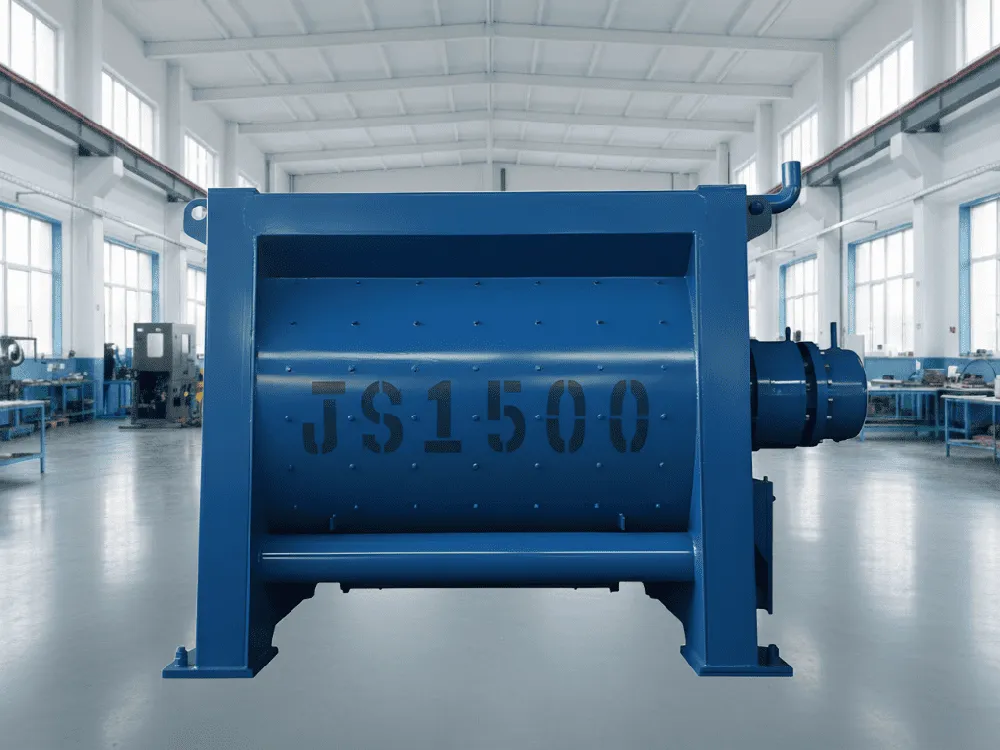
What type of mixer is the JS1500?
A
The JS1500 is a twin-shaft forced concrete mixer, designed to mix aggregates, cement, water, and additives quickly and uniformly for high-quality concrete production.
Q
What is the capacity of the JS1500 concrete mixer?
A
The JS1500 concrete mixer has a 1500L discharge capacity per batch and a theoretical productivity of about 90 m³/h, making it suitable for medium-scale concrete production.
Q
What are the main advantages of the JS2000 concrete mixer?
A
The mixer features high mixing efficiency, strong wear resistance, reliable hydraulic discharge, low energy consumption, and easy maintenance, making it widely used in construction and infrastructure projects.
Q
Can the JS2000 concrete mixer be used in a batching plant?
A
Yes. The JS2000 mixer can work independently or be integrated with a PLD batching machine to form a complete automatic concrete batching plant.
Q
What materials can be mixed in the JS2000 concrete mixer?
A
The mixer can process a variety of materials, including cement, sand, gravel, crushed stone, fly ash, water, and chemical additives, producing uniform and high-quality concrete.
Q
What type of mixer is the JS2000 concrete mixer?
A
The JS2000 is a twin-shaft forced concrete mixer, designed to mix concrete materials quickly and evenly with high efficiency and stable performance.
Q
What is the capacity of the JS2000 concrete mixer?
A
The JS2000 concrete mixer has a 2000L discharge capacity per batch and a theoretical productivity of up to 120 m³/h, making it suitable for medium and large-scale construction projects.
Q
What is the typical capacity of a cement ball mill?
A
Depending on the model and configuration, cement ball mills can have a wide capacity range. Industrial cement grinding mills typically process 1–200 tons per hour, depending on feed size, material hardness, and final product fineness.
Q
What are the advantages of using a cement ball mill?
A
Cement ball mills offer several advantages, including reliable operation, stable grinding performance, adjustable particle size, and large production capacity. They are suitable for continuous industrial production and can handle various hardness materials.
Q
What materials can be processed in a cement ball mill?
A
Cement ball mills are designed to grind cement clinker, gypsum, limestone, slag, and other mineral additives used in cement manufacturing. These materials are processed into fine powder to meet the required cement fineness.
Q
How does a cement ball mill work?
A
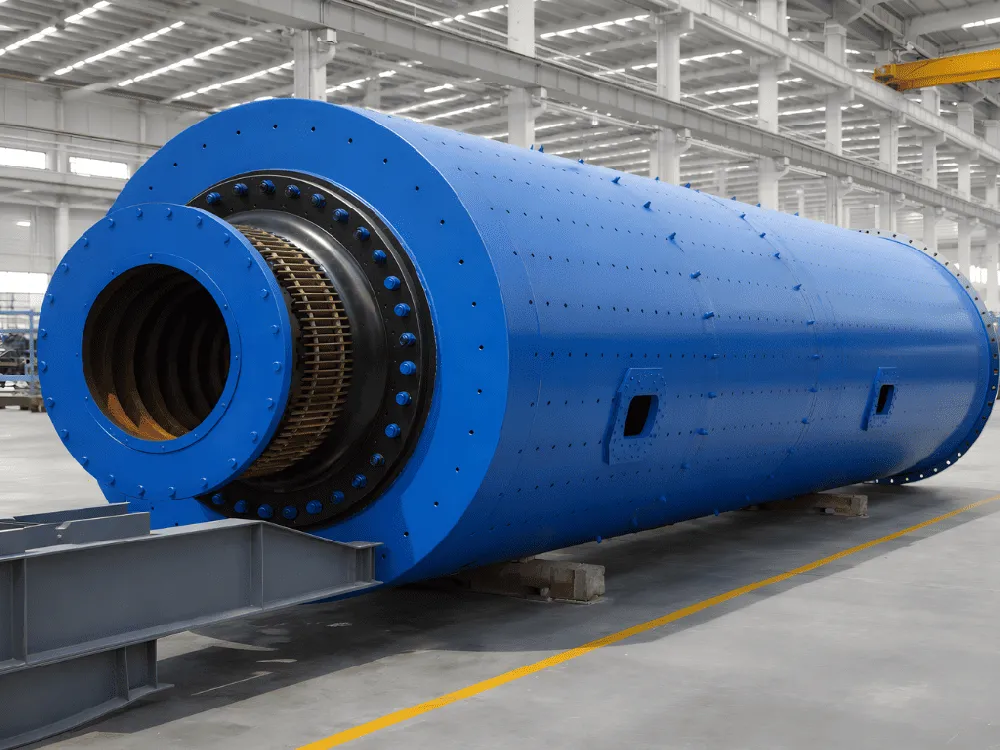
The cement ball mill works by rotating a cylindrical drum filled with steel balls and raw materials. As the drum rotates, the steel balls are lifted and then fall, crushing and grinding the clinker and other materials into fine powder through impact and friction.
Q
What is a cement ball mill used for?
A
A cement ball mill is a key grinding machine used in cement production lines. It is mainly used to grind cement clinker, gypsum, and other additives into fine cement powder required for construction materials and concrete production.
Q
What is the typical production capacity of a slag vertical roller mill?
A
Depending on the model, slag vertical roller mills can achieve large production capacities. For example, some industrial models can reach 45–170 t/h or more, making them suitable for large-scale slag powder production lines in cement and steel industries.
Q
What are the advantages of using a slag vertical roller mill?
A
Slag vertical roller mills offer several advantages, including high grinding efficiency, low energy consumption, strong drying capability for high-moisture materials, and stable product fineness. Compared with traditional ball mills, energy consumption can be reduced significantly while maintaining large production capacity.
Q
What materials can be processed by a slag vertical roller mill?
A
Besides blast furnace slag, the mill can also process steel slag, nickel slag, manganese slag, fly ash, limestone, gypsum, and other industrial mineral materials. It is widely used in cement plants, grinding stations, metallurgy, and building material industries.
Q
How does a slag vertical roller mill work?
A
The slag material is fed to the center of a rotating grinding table. Under centrifugal force, the material spreads outward and is crushed between grinding rollers and the grinding table. Hot air carries the ground material upward to a classifier, where fine powder is separated and collected, while coarse particles are returned to the grinding area for further grinding.
Q
What is a slag vertical roller mill used for?
A
A slag vertical roller mill is mainly used for grinding granulated blast furnace slag, steel slag, and other industrial waste materials into fine powder. The processed slag powder is widely used as a cement admixture or mineral additive in concrete production, helping reduce cement consumption and improve concrete durability.
Q
How should a ball mill be maintained?
A
Regular maintenance is essential for long service life and efficient performance. Operators should check and replace worn liners and grinding media, ensure proper lubrication of bearings, inspect the gearbox and drive components, and keep the mill clean to prevent material buildup.
Q
What are the main advantages of a ball mill?
A
Ball mills offer advantages such as simple structure, reliable operation, large production capacity, and adaptability to different materials. They can be used for both dry and wet grinding, and are suitable for continuous production.
Q
What materials can be processed in a ball mill?
A
This machine can grind a wide range of materials including ores, minerals, cement clinker, limestone, quartz, ceramic materials, and other non‑flammable and non‑explosive materials suitable for dry or wet grinding processes.
Q
How does a ball mill work?
A
A ball mill works by rotating a cylindrical shell filled with steel balls and materials. As the shell rotates, the balls are lifted and then fall back, causing impact and grinding action that crushes the material into fine powder.
Q
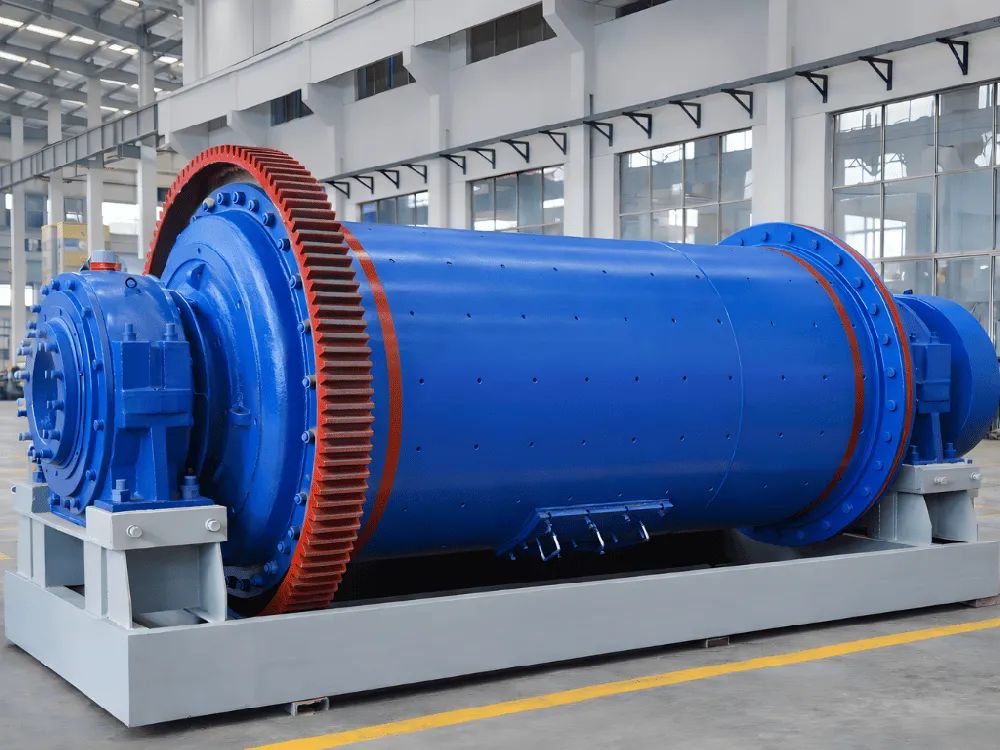
What is a ball mill and what is it used for?
A
A ball mill is a type of industrial grinding machine used to grind materials into fine powder. It is widely used in mining, cement, silicate products, refractory materials, fertilizer, ore dressing, and chemical industries for grinding minerals and other materials.
Q
How is the fineness adjusted in a vertical mill?
A
The finished product fineness is controlled by the classifier system inside the mill. By adjusting the speed and settings of the classifier, customers can obtain different powder fineness to meet specific production requirements.
Q
What are the advantages of using a vertical mill compared to traditional mills?
A
Vertical mills offer high grinding efficiency, lower power consumption, a compact layout, and integrated functions such as drying and grading. They generally occupy less floor space, reduce dust emissions, and provide better control over product particle size.
Q
What materials can be processed in a vertical mill?
A
Vertical mills are suitable for grinding various non‑metallic minerals and industrial materials such as limestone, calcite, barite, gypsum, talc, dolomite, fly ash, slag, clay, and similar materials with moderate hardness.
Q
How does a vertical mill work?
A
In a vertical mill, raw materials are fed onto the center of a rotating grinding plate. As the plate spins, the material moves outward under centrifugal force and is crushed between rollers and the grinding surface. Airflow carries the ground powder to a classifier, where the desired fineness is separated and collected while larger particles are returned for re‑grinding.
Q
What is a vertical mill and what is it used for?
A
A vertical mill (also known as a vertical roller mill) is industrial grinding equipment that integrates grinding, drying, powder selection, and material conveying in one system. It is used for grinding raw materials, minerals, ores, slag, limestone, cement raw meal, coal, and other non‑flammable materials in cement, mining, chemical, and construction industries.
Q
What materials are suitable for processing with an ultra‑fine powder grinding mill?
A
The machine is ideal for grinding more than 100 kinds of materials with Mohs hardness generally below 7 and moisture content low enough for dry grinding, including limestone, calcite, talc, kaolin, barite, gypsum, quartz, marble, and many other non‑metallic minerals.
Q
What are the main advantages of the HYM ultra‑fine powder grinding mill?
A
This mill offers high grinding efficiency, energy savings, low wear of grinding parts, and stable performance. It features an efficient dust collection and air recycling system that reduces dust and provides a cleaner working environment. The variable‑speed classifier allows precise control of product fineness.
Q
What fineness and capacity can this ultra‑fine grinding mill achieve?
A
The finished product fineness is normally adjustable in the range of 325 – 2500 mesh (about 47–5 μm), allowing flexibility for different applications. Production capacity typically ranges from 0.5 – 15 t/h depending on material characteristic and fineness requirements.
Q
How does the HYM ultra‑fine grinding mill work?
A
Materials with a feeding size typically ≤25 mm are crushed and fed into the grinding mill. Inside, grinding rollers and grinding rings create centrifugal force that continuously presses and grinds the material into fine powder. A high‑pressure blower carries the powder to a classifier, where fine particles are separated and collected while coarse particles return for re‑grinding.
Q
What is an HYM ultra‑fine powder grinding mill used for?
A
The HYM ultra‑fine powder grinding mill is an industrial grinding machine designed to produce ultra‑fine powder from non‑flammable and non‑explosive materials such as limestone, calcite, dolomite, gypsum, barite, talc and other brittle minerals. It is widely used in chemical, metallurgy, mining, building materials, and refractory industries.
Q
What are the typical capacity and feeding requirements of an MTW mill?
A
MTW trapezoid mills can process materials with a maximum feed size of up to 50 mm, and their production capacity generally ranges from 3–50 t/h depending on the model and material. Models such as MTW110, MTW138, MTW175 etc. offer different capacities to suit various industrial requirements.
Q
What materials can the MTW mill process and what fineness can it achieve?
A
This mill can grind a wide range of non‑metallic minerals with Mohs hardness ≤9 and humidity ≤6%, including limestone, dolomite, marble, quartz, gypsum, barite, and more. The finished product fineness is typically adjustable between 80–425 mesh (0.038–0.2 mm) based on classifier settings and customer requirements.
Q
What are the main advantages of the MTW Trapezium Mill?
A
The MTW mill features advanced patented technology such as integrated bevel gear drive, internal thin‑oil lubrication, arc‑shaped air duct, and replaceable curved shovel blades. These improvements lead to higher grinding efficiency, lower energy consumption, longer service life for wear parts, stable performance, and easier maintenance compared with traditional mills.
Q
How does the MTW trapezoid mill work?
A
Materials crushed to the required size are fed into the grinding chamber by a vibrating feeder. Inside the mill, grinding rollers press the material against a grinding ring to crush it into fine powder. Airflow from a fan carries the ground powder to a classifier, where fines are separated and collected, while coarse material returns for further grinding.
Q
What is an MTW Trapezoid Mill and what is it used for?
A
The MTW Trapezoid Mill (European type trapezium grinding mill) is an industrial grinding machine designed to produce fine and uniform powder from non‑flammable and non‑explosive minerals like limestone, calcite, gypsum, barite, talc, and more. It is commonly used in mining, building materials, metallurgy, chemical engineering, and power plant desulfurization projects.
Q
What are the advantages of a trapezoid grinding mill?
A
The trapezoid mill offers several advantages, including high grinding efficiency, energy saving, long service life of grinding rollers and rings, low noise operation, and reliable sealing performance. It also provides stable powder fineness and continuous production.
Q
What is the capacity of a trapezoid mill?
A
Depending on the model, the production capacity typically ranges from 3–22 tons per hour, with a feeding size up to about 25–35 mm. Different models such as TGM100, TGM130, and TGM160 provide different output capacities to meet various industrial requirements.
Q
What materials can be processed by a trapezoid grinding mill?
A
This mill can process a wide range of materials including limestone, calcite, marble, barite, quartz, gypsum, kaolin, petroleum coke, coal, and other non-flammable and non-explosive minerals.
Q
How does a trapezoid mill work?
A
The trapezoid mill works by feeding crushed materials into the grinding chamber where rollers rotate and press the material against the grinding ring. Under pressure and friction, the materials are ground into fine powder. Qualified powder is separated by the classifier and collected through a cyclone collector, while coarse particles are returned for further grinding.
Q
What is a trapezoid grinding mill used for?
A
A trapezoid grinding mill is mainly used for producing fine powder from non-metallic minerals such as limestone, calcite, dolomite, barite, talc, gypsum, and bentonite. It is widely applied in mining, chemical, and construction material industries for medium and fine powder processing.
Q
What is the fineness of the finished powder?
A
The finished powder fineness can usually be adjusted between 50–325 mesh, depending on the material and classifier settings. This adjustable fineness makes the YGM mill suitable for a wide range of powder processing applications.
Q
What are the advantages of a YGM high pressure suspension grinding mill?
A
This mill offers several advantages, including high grinding efficiency, low energy consumption, compact structure, and wide adjustable fineness range. The high-pressure spring device increases grinding force, improving production efficiency compared with traditional grinding mills.
Q
What is the feeding size and production capacity of the YGM mill?
A
The typical feeding size is 15–35 mm, and depending on the model, the production capacity can reach 0.5–25 tons per hour. Different models such as YGM65, YGM95, and YGM175 provide various capacities to meet different production requirements.
Q
How does a YGM high pressure suspension mill work?
A
The mill uses grinding rollers and a grinding ring combined with a high-pressure spring system. When the machine operates, the rollers rotate around the main shaft and press materials against the grinding ring under strong pressure, crushing them into fine powder. Qualified powder is carried by airflow to the classifier and collected through a cyclone separator.
Q
What is a YGM high pressure suspension mill used for?
A
The YGM high pressure suspension mill is mainly used for grinding non-flammable and non-explosive mineral materials such as limestone, calcite, quartz, dolomite, barite, and bentonite. It is widely used in industries including mining, metallurgy, construction materials, chemicals, and cement production.
Q
What is the typical fineness of the finished powder?
A
The fineness of Raymond mill products is usually adjustable between 80–325 mesh, and in some applications it can reach even finer levels depending on the material and classifier settings.
Q
What are the advantages of a Raymond grinding mill?
A
Raymond mills offer several advantages, including compact structure, stable operation, adjustable fineness, low energy consumption, and high powder classification efficiency. They can form an independent grinding production system with feeding, grinding, and powder collection functions.
Q
What materials can be processed by a Raymond mill?
A
Raymond grinding mills are suitable for grinding more than 200 kinds of non-flammable and non-explosive materials with Mohs hardness below about 7, such as limestone, bentonite, kaolin, marble, gypsum, and barite.
Q
How does a Raymond grinding mill work?
A
The Raymond mill works through the interaction between grinding rollers and a grinding ring. Raw materials enter the grinding chamber, where the rollers press and crush the material into fine powder. Airflow generated by a blower carries the powder to a classifier, which separates qualified powder while coarse particles are returned for further grinding.
Q
What is a Raymond grinding mill used for?
A
A Raymond grinding mill is widely used for producing fine powder from non-metallic minerals such as limestone, barite, dolomite, gypsum, and calcite. It is commonly applied in industries including mining, construction materials, chemicals, and metallurgy for high-efficiency powder processing.
Q
What are the main components of a cement ball mill?
A
A typical cement ball mill mainly consists of a feeding device, rotating cylinder, grinding media (steel balls), liner plates, transmission system, and discharge device. These components work together to ensure efficient and continuous grinding performance.
Q
What are the main advantages of a cement ball mill?
A
Cement ball mills have the advantages of large production capacity, stable operation, strong adaptability to different materials, and adjustable product fineness. They can also operate continuously and support both dry and wet grinding processes.
Q
What materials can be processed in a cement ball mill?
A
A cement ball mill is mainly used for grinding cement clinker, gypsum, limestone, slag, and other mineral materials. It is widely used in cement plants, mining, and building material industries.
Q
How does a cement ball mill work?
A
A cement ball mill works by rotating a cylindrical drum filled with steel balls. As the drum rotates, the grinding media rise and fall, creating strong impact and friction that crush and grind the materials into fine powder.
Q
What is a cement ball mill used for?
A
A cement ball mill is a key grinding machine used in cement production lines. It is designed to grind cement clinker, gypsum, and other additives into fine powder to produce cement with the required fineness for construction applications.
Q
How should an automatic feeding concrete mixer be maintained?
A
To ensure stable operation, operators should regularly inspect and lubricate key components such as the mixing drum, hydraulic system, and transmission system. Worn parts should be replaced in time to maintain the machine’s performance and service life.
Q
What is the production capacity of this mixer?
A
Depending on the model, the concrete output can reach up to about 22 m³ per hour, and the mixing tank capacity can reach 5.5 m³, making it suitable for continuous construction work on various projects.
Q
What construction projects is the automatic feeding mixer suitable for?
A
Automatic feeding mixers are widely used in road construction, bridge engineering, water conservancy projects, residential buildings, and municipal infrastructure projects. They are especially suitable for small and medium-sized construction sites that require flexible on-site concrete production.
Q
What are the main advantages of an automatic feeding mixer?
A
This equipment features convenient loading, uniform mixing, strong mobility, and high efficiency. Because it combines multiple functions into one machine, it reduces labor requirements and improves construction efficiency on job sites.
Q
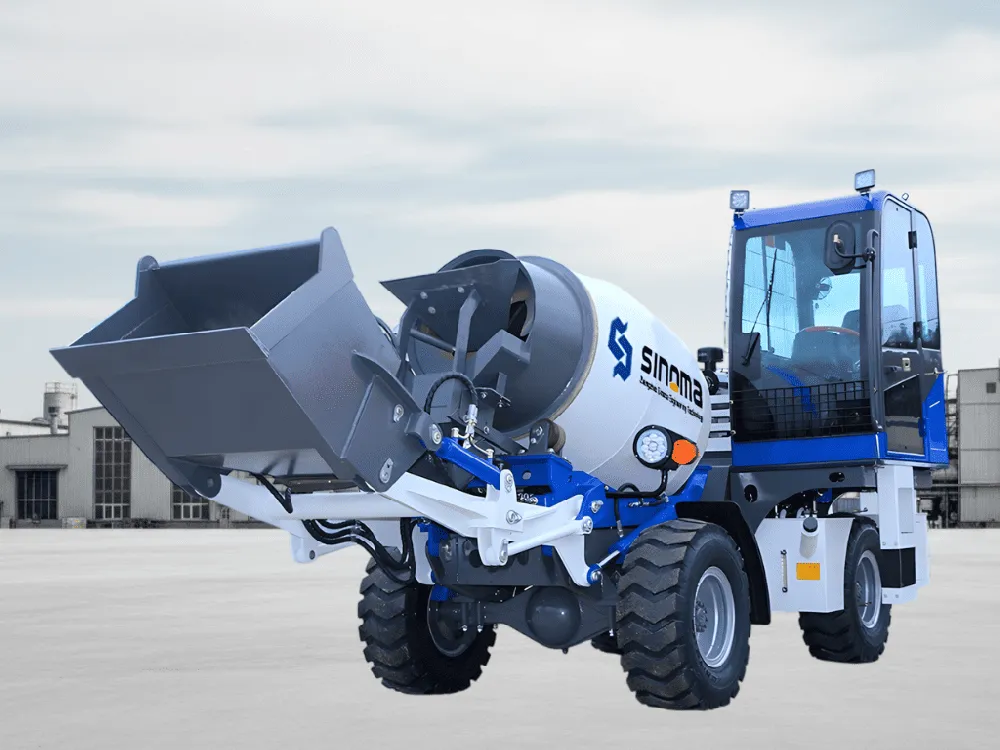
What is an automatic feeding concrete mixer?
A
An automatic feeding concrete mixer is a self-loading concrete mixer that integrates material loading, weighing, mixing, transportation, and unloading in one machine. It can independently complete the processes of loading cement, sand, and aggregates, mixing concrete, and transporting the finished mixture directly to the construction site.
Q
How should a mobile multifunctional concrete mixer be maintained?
A
Regular maintenance includes checking the mixing drum, hydraulic system, and transmission components. Operators should lubricate key parts, tighten bolts, and replace worn parts in time to ensure stable performance and extend the equipment’s service life.
Q
What power options are available for the mixer?
A
Most mobile multifunctional concrete mixers are equipped with powerful diesel engines to ensure stable operation in outdoor construction environments. Some models may also support electric power systems depending on project requirements.
Q
What construction projects is this equipment suitable for?
A
Mobile multifunctional concrete mixers are widely used in road construction, bridge projects, rural housing construction, water conservancy projects, and municipal engineering. They are especially suitable for small and medium-sized construction sites where on-site concrete production is required.
Q
What are the main advantages of a mobile multifunctional concrete mixer?
A
The main advantages include high mobility, automatic feeding, efficient mixing, and reduced labor costs. The machine can load sand, gravel, and cement automatically, mix them evenly, and transport the finished concrete to the desired location, greatly improving construction efficiency.
Q
What is a mobile multifunctional concrete mixer?
A
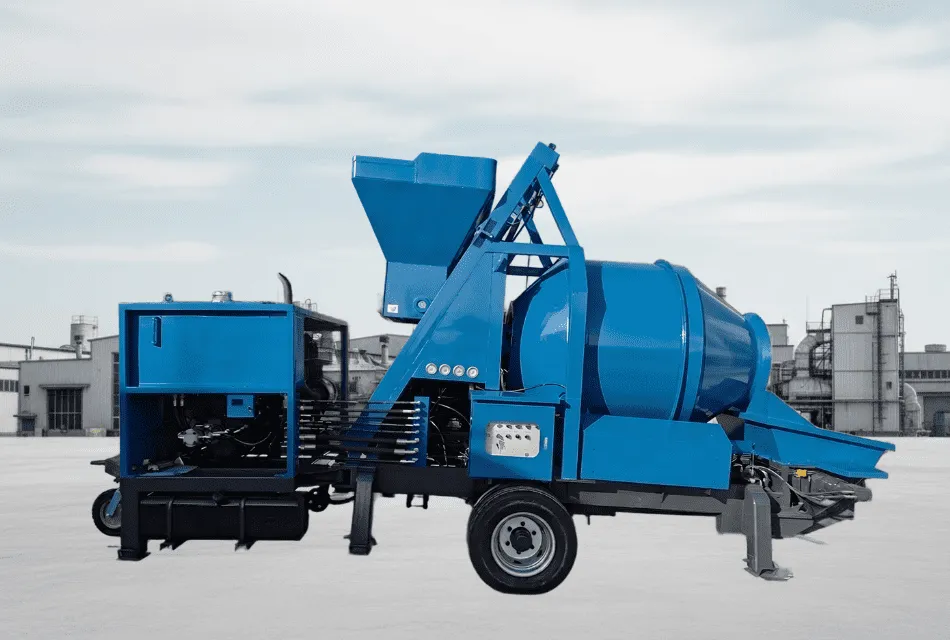
A mobile multifunctional concrete mixer is a self-loading construction machine that integrates material loading, weighing, mixing, transportation, and unloading in one unit. It allows operators to produce concrete directly at the construction site without relying on a stationary batching plant.
Q
How do you maintain a mobile multifunctional concrete mixer?
A
Regular maintenance is important for long-term performance. Operators should periodically inspect the mixing drum, hydraulic system, and transmission components, perform lubrication, and replace worn parts when necessary. Proper maintenance ensures stable operation and extends the service life of the machine.
Q
What power options are available for the mobile multifunctional concrete mixer?
A
Mobile multifunctional concrete mixers are typically equipped with diesel engines to ensure strong power and reliable performance on construction sites without stable electricity supply. The equipment is designed to adapt to different working environments and construction conditions.
Q
What types of construction projects is this mixer suitable for?
A
This equipment is suitable for a wide range of applications, including infrastructure construction, residential buildings, rural projects, and municipal engineering. Its compact design and strong mobility allow it to work efficiently even in remote areas or complex construction environments.
Q
What are the advantages of a mobile multifunctional concrete mixer?
A
The main advantages include high mobility, efficient mixing, and reduced labor costs. The machine can automatically load raw materials such as sand, gravel, and cement, mix them uniformly, and transport the finished concrete directly to the construction site. This integrated design greatly improves construction efficiency.
Q
What is a mobile multifunctional concrete mixer used for?
A
A mobile multifunctional concrete mixer is designed for on-site concrete production and transportation. It integrates loading, mixing, transporting, and unloading functions in one machine. It is widely used in road construction, bridge projects, rural housing, municipal engineering, and small to medium-sized construction projects where flexible concrete production is required.
Q
How far can a concrete pumping machine deliver concrete?
A
Depending on the model and pumping pressure, a concrete pumping machine can transport concrete hundreds of meters vertically and up to around 1000 meters horizontally through pipelines, ensuring efficient concrete placement in complex construction environments.
Q
What projects is a concrete trailer pump suitable for?
A
A concrete trailer pump is widely used in construction projects such as high-rise buildings, bridges, tunnels, highways, dams, and municipal infrastructure. It is especially suitable for projects requiring long-distance or high-altitude concrete delivery.
Q
What are the advantages of a trailer mounted concrete pump?
A
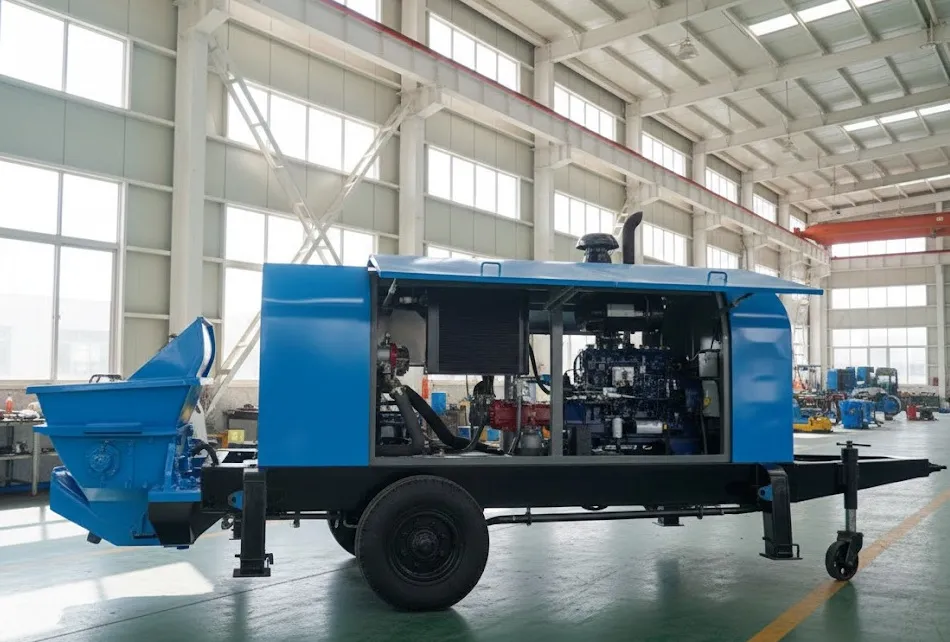
A trailer mounted concrete pump offers several advantages including strong pumping power, long delivery distance, stable performance, and flexible mobility. It improves construction efficiency while reducing labor costs and manual handling during concrete placement.
Q
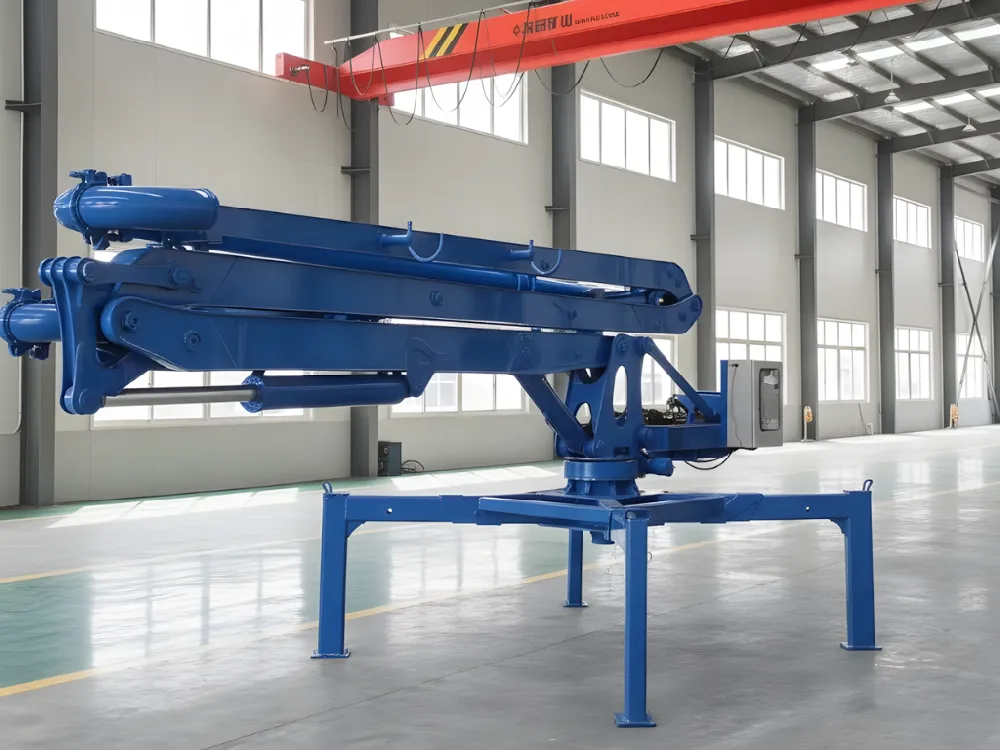
What is a multifunctional concrete trailer pump?
A
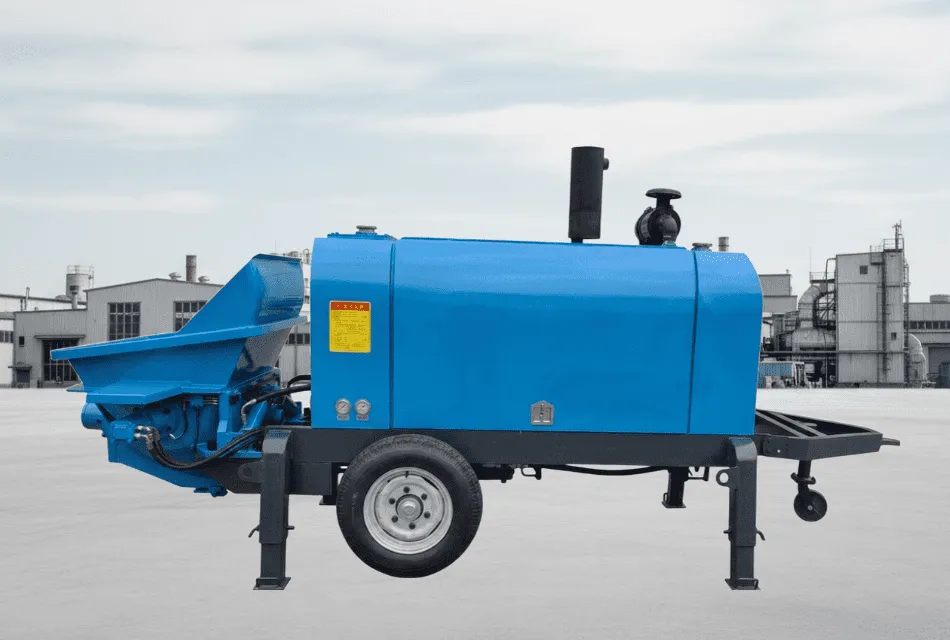
A multifunctional concrete trailer pump is a concrete pumping machine designed for long-distance horizontal and vertical concrete transportation. It uses hydraulic pressure to deliver concrete through pipelines to construction sites, making it ideal for high-rise buildings, bridges, and infrastructure projects.
Q
How to choose the right mobile multifunctional concrete mixer?
A
When choosing a mobile multifunctional concrete mixer, consider factors like mixing capacity, power type (electric or diesel), mobility requirements, and the range of materials you plan to mix. Selecting the right model ensures efficient on‑site mixing and improved construction workflow.
Q
What are the advantages of a portable concrete mixer?
A
A portable concrete mixer offers advantages such as easy mobility, space‑saving design, quick setup, and reduced labor intensity. It is ideal for home construction, small building projects, road maintenance, landscaping, and other tasks requiring on‑site material mixing.
Q
What materials can a multifunctional concrete mixer mix?
A
A multifunctional concrete mixer can mix various construction materials, including concrete, cement mortar, plaster mortar, and lime mortar. Its powerful mixing mechanism ensures uniform consistency and reliable performance on site.
Q
What is a mobile multifunctional concrete mixer?
A
A mobile multifunctional concrete mixer is a portable mixing machine designed to mix concrete, mortar, plaster, and other building materials on site. Its mobile structure and multifunctional design allow fast setup and versatile use for small to medium construction tasks.
Q
How do I choose the right concrete batching plant capacity?
A
When selecting a concrete batching plant capacity, consider factors such as your project size, daily concrete demand, and construction schedule. Plants with belt conveyors are ideal for large projects where stable production and continuous material feed are essential.
Q
What materials can the concrete mixing station process?
A
A concrete mixing station with a belt conveyor can process various raw materials including cement, sand, gravel, crushed stone, water, and additives. The automated batching system ensures accurate measurement and consistent concrete quality for large‑scale construction.
Q
What are the advantages of a belt conveyor concrete plant?
A
A belt conveyor concrete plant offers advantages such as smooth and continuous material feeding, reduced mechanical wear, lower maintenance cost, and enhanced production efficiency. This configuration is especially suitable for high‑capacity batching plants and projects with heavy material flow requirements.
Q
What is a concrete batching plant with belt conveyor?
A
A concrete batching plant with belt conveyor is a concrete mixing system equipped with a belt conveyor for efficient aggregate feeding. The belt conveyor improves material transfer speed and accuracy, ensuring stable production and higher output capacity compared with traditional bucket elevator systems.
Q
Where is a batching plant concrete pump commonly used?
A
A batching plant concrete pump is widely used in commercial buildings, residential complexes, highways, bridges, tunnels, dams, and precast factories. It is ideal for any construction project where concrete needs to be delivered quickly and efficiently over long distances or heights.
Q
What are the advantages of using a concrete pumping system?
A
A concrete pumping system offers several advantages including faster concrete placement, reduced labor costs, longer reach for concrete delivery, higher productivity, and better placement accuracy—especially in high‑rise, large‑scale, and complex construction sites.
Q
How does a concrete pump work with a batching plant?
A
A concrete pump for batching plant connects to the outlet of the mixer and uses hydraulic pressure to push the concrete through hoses or pipes. This system reduces manual handling, speeds up construction work, and improves overall efficiency on site.
Q
What is a batching plant concrete pump?
A
A batching plant concrete pump is a high‑efficiency concrete delivery system designed to work with concrete batching plants. It transports mixed concrete from the plant to the construction site through pipelines, enabling fast and precise placement of concrete in buildings, bridges, tunnels, and other structures.
Q
Where is a mobile asphalt mixing plant used?
A
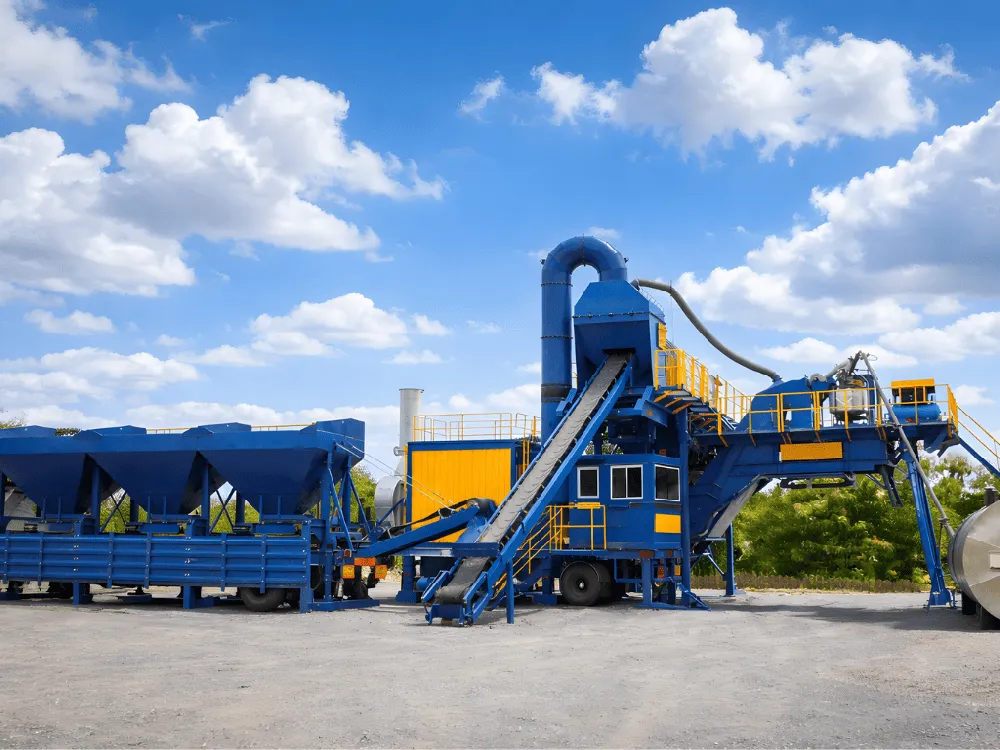
A mobile asphalt mixing plant is widely used in infrastructure construction such as highways, urban roads, airport runways, bridges, tunnels, and parking lots, where efficient asphalt production and flexible deployment are required.
Q
What are the advantages of a portable asphalt plant?
A
A portable asphalt plant offers several advantages, including fast installation, convenient transportation, compact structure, and strong site adaptability. It is especially suitable for road construction projects with long sections that require frequent equipment relocation.
Q
What is the capacity of the YLB mobile asphalt mixing plant?
A
The YLB series mobile asphalt mixing plant typically has a production capacity ranging from 40 t/h to 160 t/h, depending on the model configuration such as YLB500, YLB800, YLB1000, YLB1500, and YLB2000.
Q
What is a mobile asphalt mixing plant?
A
A mobile asphalt mixing plant is a portable asphalt production system designed for road construction projects that require frequent relocation. It integrates drying, screening, weighing, and mixing systems into a mobile chassis, allowing quick installation and easy transportation between job sites.
Q
What are the advantages of a modular asphalt mixing plant?
A
A modular asphalt mixing plant offers advantages such as compact structure, convenient transportation, quick installation, high automation, and accurate material batching. These features help improve construction efficiency and ensure consistent asphalt mixture quality.
Q
What are the main components of an asphalt mixing plant?
A
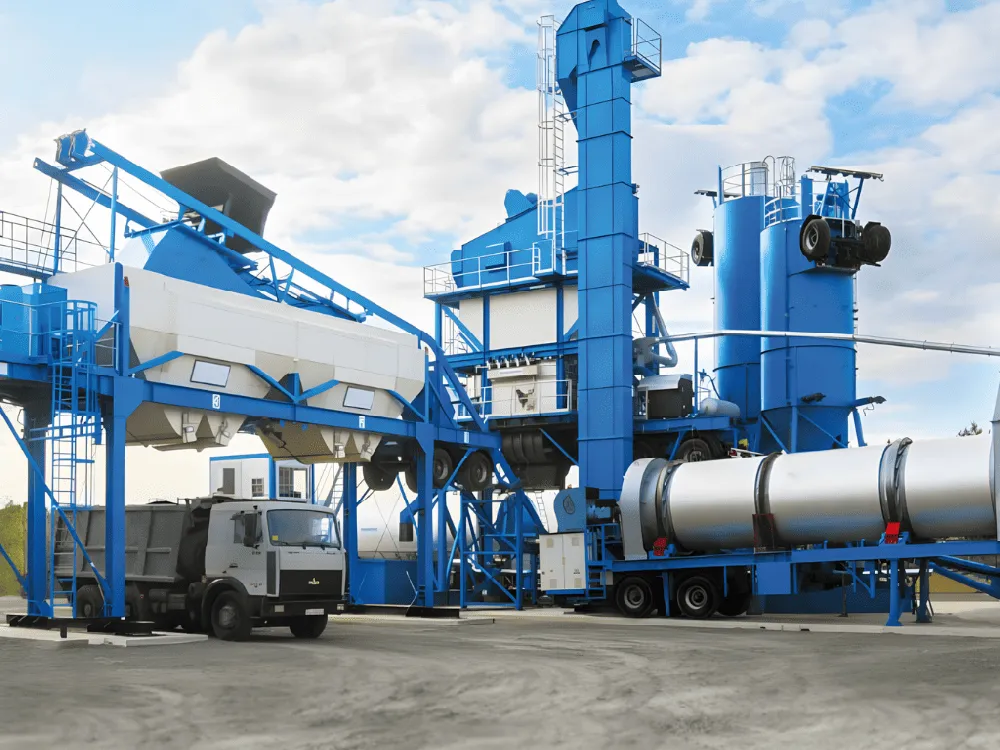
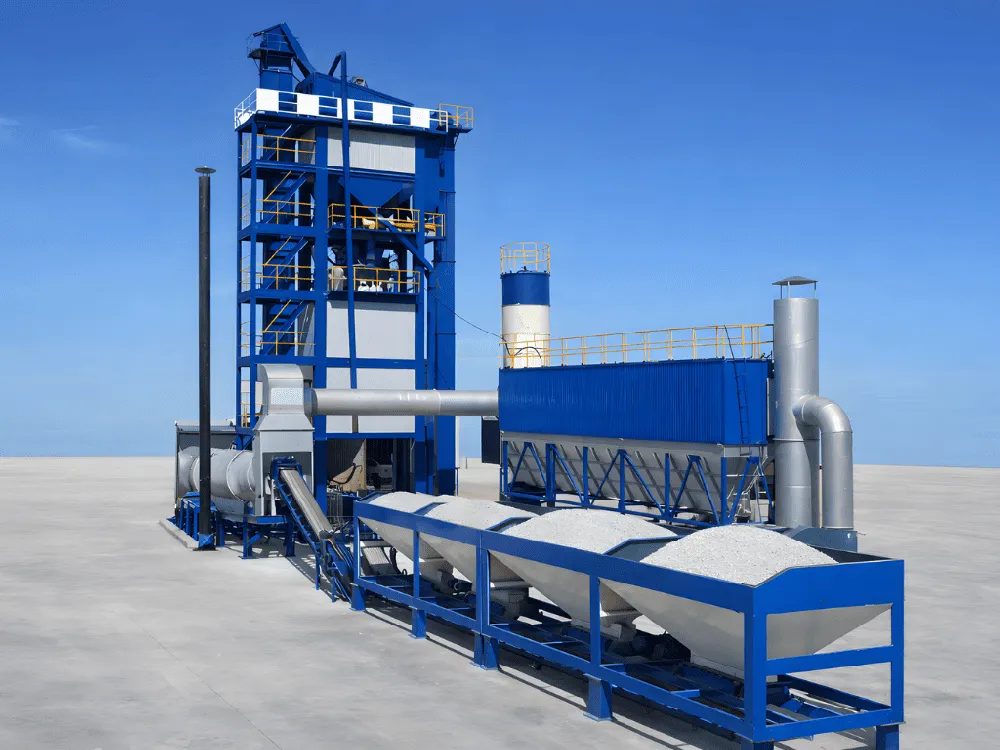
A typical asphalt mixing plant includes several key systems such as the cold aggregate supply system, drying drum, burner system, vibrating screen, hot aggregate storage bins, weighing and mixing system, bitumen supply system, and dust collection system. These components work together to ensure stable asphalt production.
Q
What is the production capacity of an asphalt mixing plant?
A
The production capacity of the LB series asphalt mixing plant typically ranges from 40 t/h to 400 t/h, depending on the specific model configuration. This wide capacity range allows it to meet the needs of both medium and large road construction projects.
Q
What is a forced asphalt mixing plant?
A
A forced asphalt mixing plant is a type of road construction equipment used to produce asphalt mixtures by mixing aggregates, asphalt binder, mineral powder, and additives. It is widely used in highway construction, airport runways, urban roads, and large infrastructure paving projects.
Q
Where is a stabilized soil mixing plant commonly used?
A
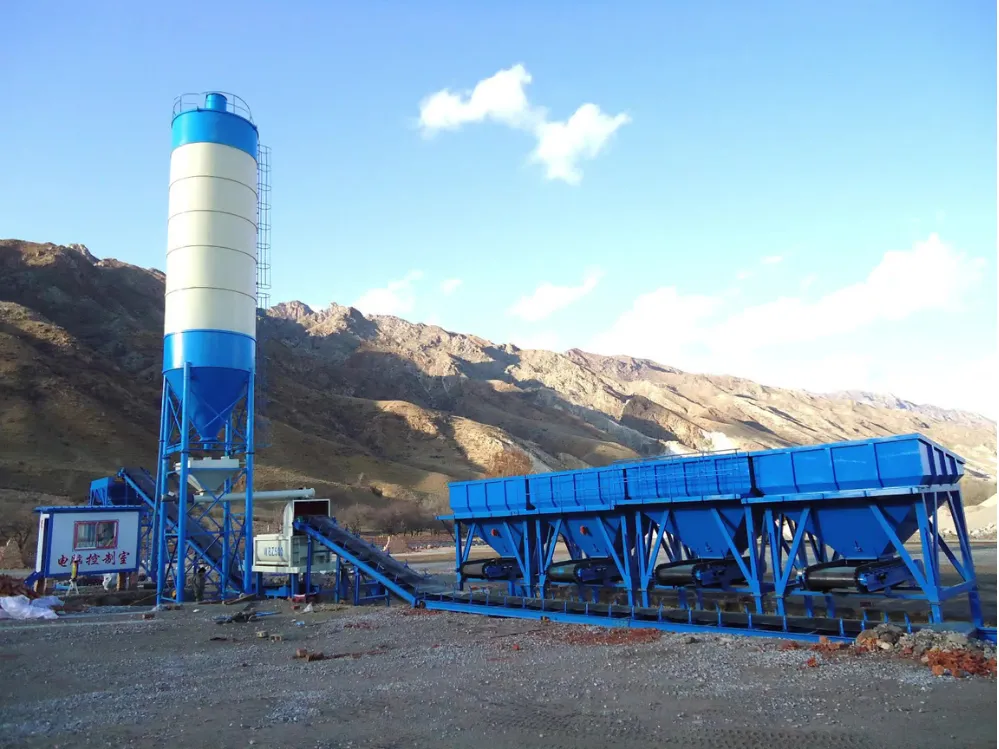
A stabilized soil mixing plant is commonly used in the construction and maintenance of highways, urban roads, airport runways, bridges, tunnels, and large infrastructure projects, where strong and durable road base materials are required.
Q
What are the advantages of a soil stabilization mixing plant?
A
A soil stabilization mixing plant offers several advantages, including high batching accuracy, reliable continuous mixing, modular structure, and easy installation. These features ensure stable material quality and efficient production during road base construction.
Q
What is the production capacity of a stabilized soil mixing plant?
A
The production capacity of a WCB series stabilized soil mixing plant typically ranges from 200 t/h to 600 t/h, depending on the model configuration such as WCB200, WCB300, WCB400, WCB500, and WCB600. This wide capacity range makes it suitable for both medium and large infrastructure projects.
Q
What is a stabilized soil mixing plant?
A
A stabilized soil mixing plant is a type of construction equipment used to mix soil, cement, lime, fly ash, and other materials to produce stabilized base materials for road construction. It is widely used in highways, airports, railways, and infrastructure projects to improve the strength and stability of road foundations.
Q
How does a mobile concrete batching plant work?
A
A mobile concrete batching plant works by automatically weighing and mixing raw materials such as cement, sand, aggregates, water, and additives. These ingredients are combined in precise proportions to produce ready-mix concrete for construction projects.
Q
What are the advantages of a mobile concrete plant?
A
A portable concrete batching plant offers several advantages, including easy transportation, quick installation, and strong site adaptability. Its compact design requires less installation space while maintaining stable mixing performance and efficient concrete production.
Q
What is the production capacity of a mobile concrete batching plant?
A
The production capacity of a mobile concrete batching plant typically ranges from 40 m³/h to 60 m³/h, depending on the model and configuration. This capacity makes it suitable for small and medium-scale construction projects such as roads, housing construction, and infrastructure works.
Q
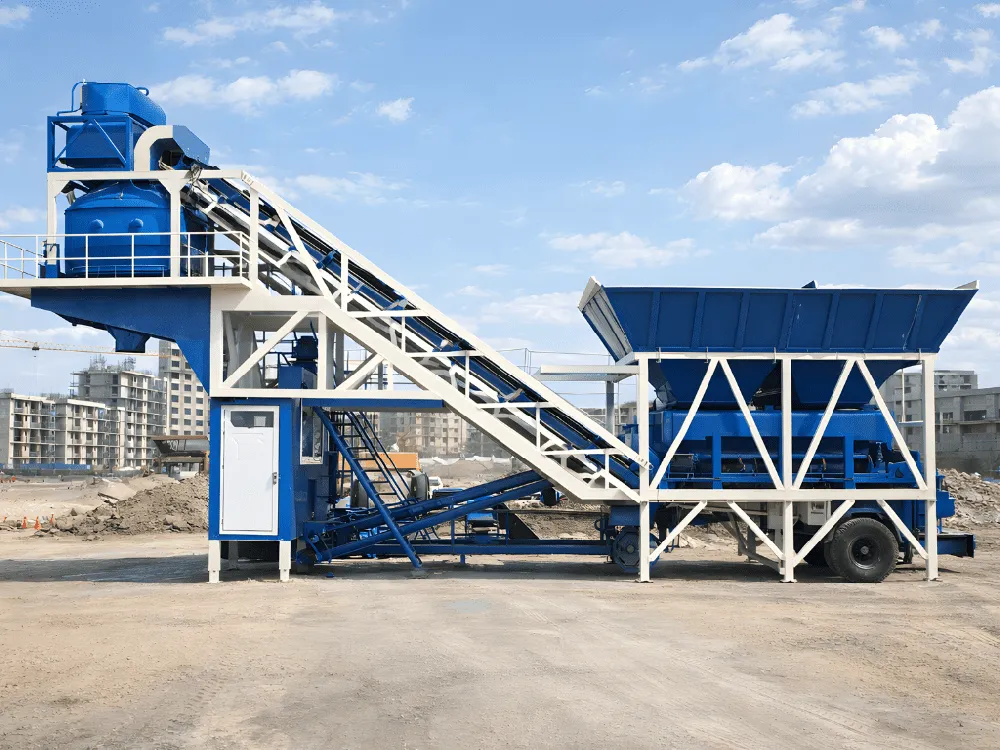
What is a mobile concrete mixing plant?
A
A mobile concrete mixing plant is a portable batching system designed to produce concrete directly at construction sites. It integrates aggregate storage, weighing systems, mixers, and a control system into a compact unit, allowing fast installation and relocation for different projects.
Q
Is the concrete batching plant fully automated?
A
Yes. Modern automatic concrete batching plants are equipped with PLC or computer control systems that automatically manage material feeding, weighing, mixing, and discharge. This improves production efficiency, reduces labor costs, and ensures stable concrete quality.
Q
Where are concrete batching plants commonly used?
A
Concrete batching plants are widely used in highway construction, bridge projects, airports, urban infrastructure, and housing construction. They provide efficient and stable concrete production for large engineering projects.
Q
What is the production capacity of a concrete mixing plant?
A
The production capacity of a concrete mixing plant typically ranges from 25 m³/h to 240 m³/h, depending on the plant model and configuration. This wide capacity range allows the equipment to meet the needs of small construction projects as well as large infrastructure developments.
Q
What materials are used in a concrete batching plant?
A
A concrete batching plant mixes several raw materials including cement, sand, gravel or crushed stone, water, and chemical additives. These materials are automatically weighed and blended through a computerized control system to ensure consistent and high-quality concrete production.
Q
What is the capacity of a ready mix concrete plant?
A
A ready mix concrete plant typically has a production capacity ranging from 25 m³/h to over 180 m³/h depending on the model. The suitable capacity should be selected based on project size, daily concrete demand, and construction schedule.
Q
What factors affect the concrete batching plant price?
A
The concrete batching plant price depends on several factors, including production capacity, automation level, configuration, and additional equipment such as cement silos and conveyors. Customers can choose different configurations according to project requirements and budget.
Q
What is the difference between a stationary and mobile concrete batching plant?
A
A stationary concrete batching plant is designed for long-term and large-scale construction projects, offering high production capacity. A mobile concrete batching plant is compact and easy to transport, making it ideal for temporary construction sites and projects that require frequent relocation.
Q
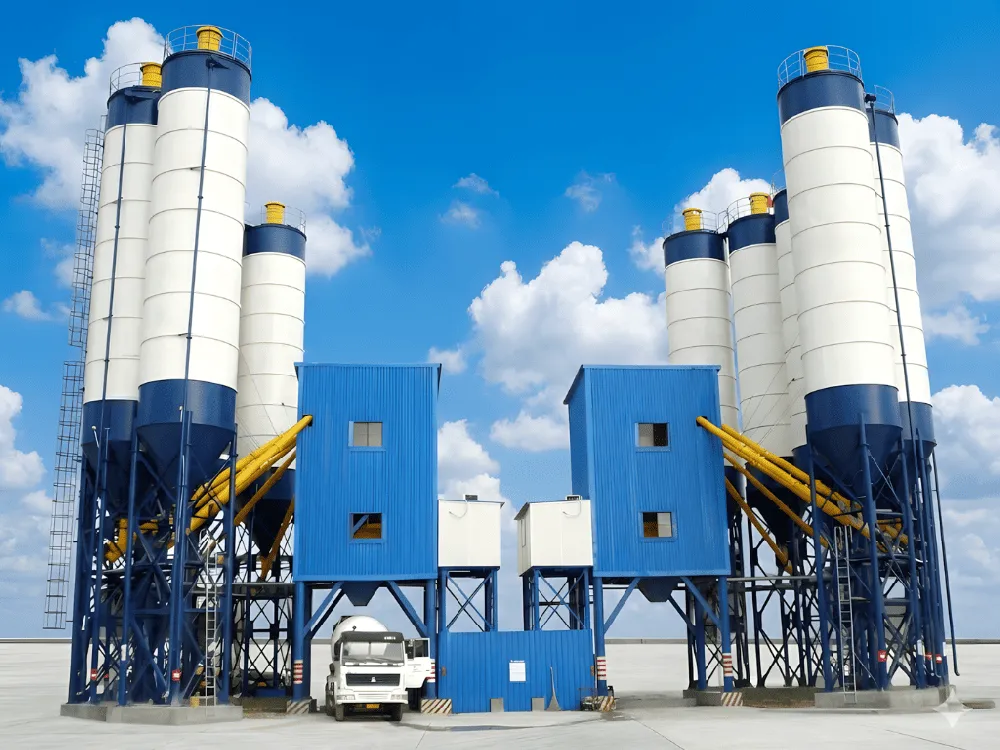
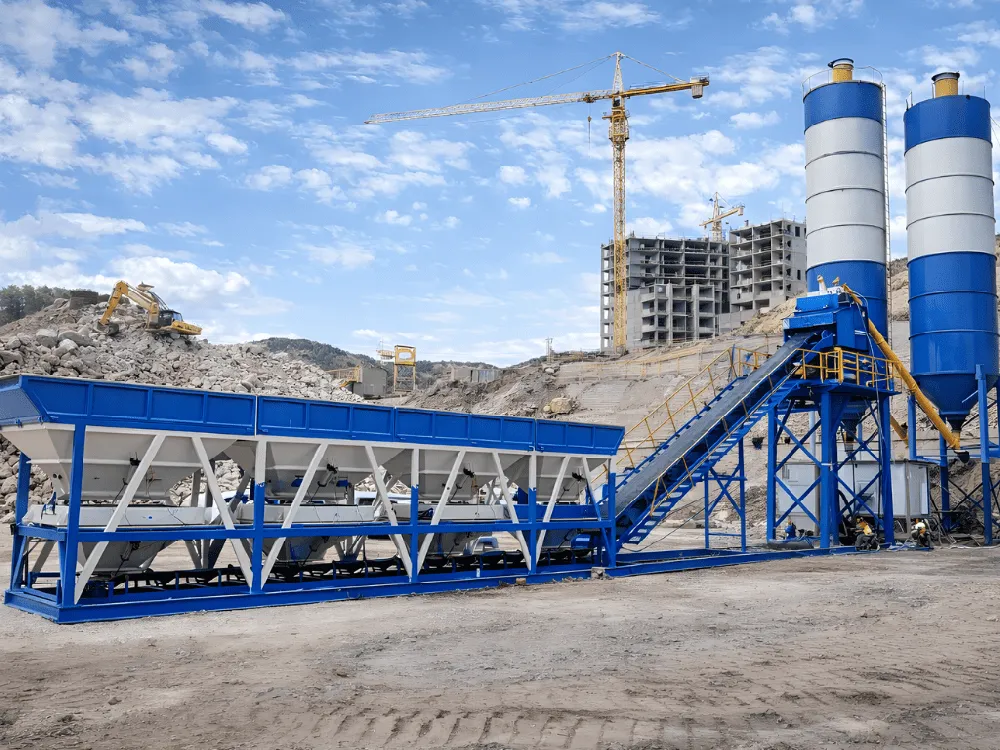
What is a concrete batching plant used for?
A
A concrete batching plant is used to produce high-quality concrete by accurately mixing cement, sand, aggregates, water, and additives. It is widely used in construction projects, road building, bridges, and infrastructure development. Modern concrete batching plants ensure stable mixing quality and high production efficiency.
No FAQ available for this product yet.