
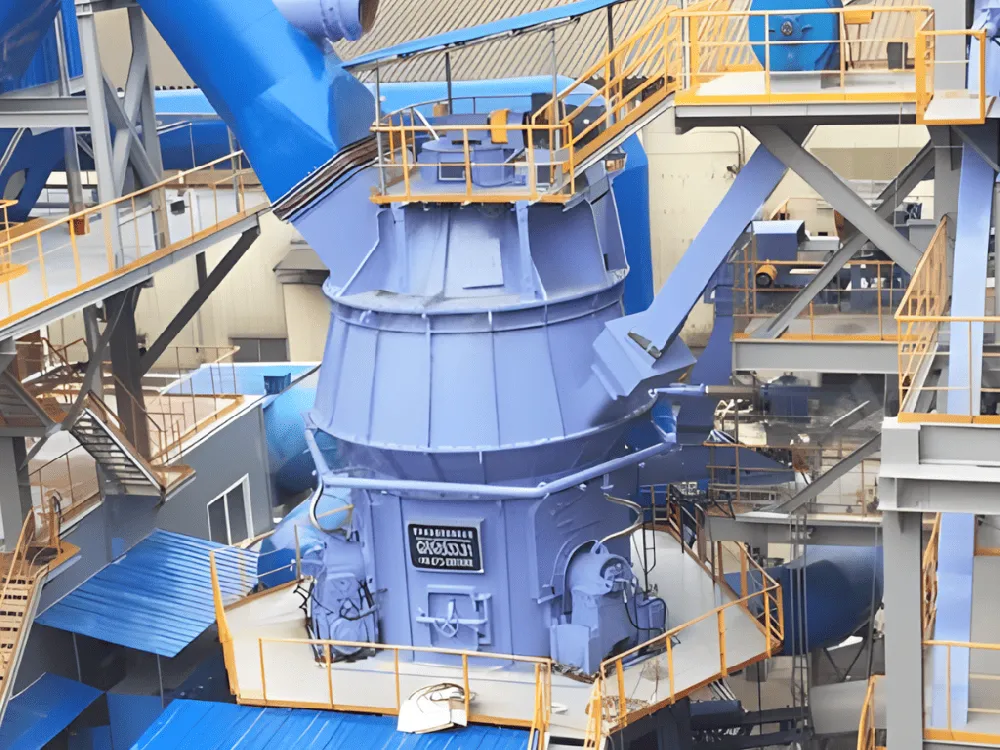
Vertical Roller Mill (VRM): Complete Guide to Working Principle, Energy Saving & Selection
The vertical roller mill is the core grinding technology of modern cement plants and mineral processing lines — integrating drying, grinding and classifying in one machine while cutting energy consumption by 30-40% versus ball mills. Sinoma designs, manufactures and commissions vertical mills for cement raw meal, coal, slag and finish cement grinding worldwide.
What Is a Vertical Roller Mill?
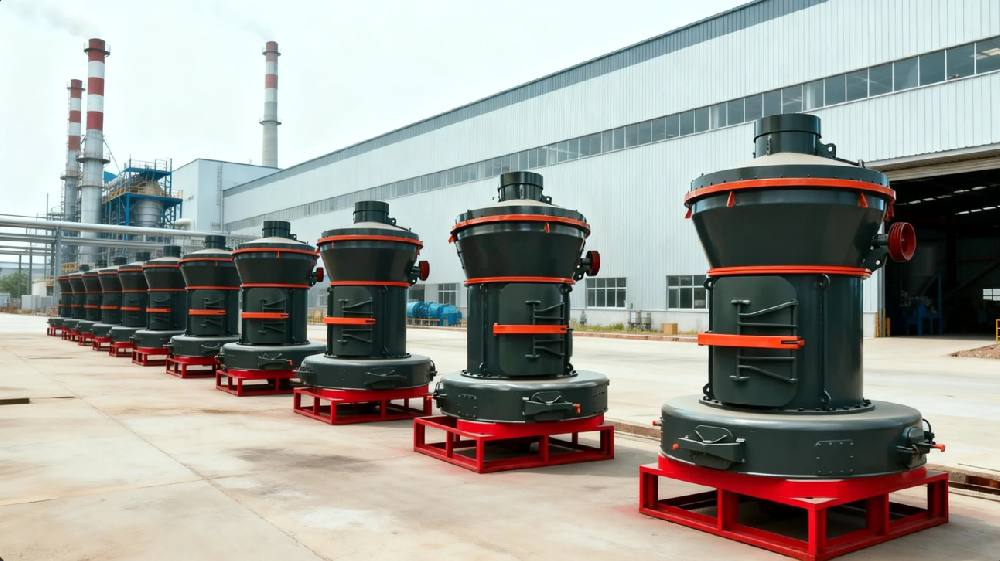
A vertical roller mill (VRM) grinds material between a rotating horizontal grinding table and two to four large grinding rollers pressed by a hydraulic system. Material fed to the center of the table is crushed and ground by roller pressure, thrown outward by centrifugal force, and carried upward by hot air into a dynamic classifier. Fine particles pass the classifier as finished product; coarse particles return to the table for re-grinding.
Because drying, grinding and classifying happen in a single closed system, the VRM replaced ball mill + dryer + separator combinations in most modern plants. It is the standard technology for cement raw meal, coal powder, blast furnace slag and finish cement grinding.
Core Advantages
- Energy saving: 17-20 kWh/t vs 25-30 kWh/t for ball mill — up to 40% less power
- Integrated drying: hot air dries wet feed (15-20% moisture) inside the mill — no separate dryer
- Compact footprint: 30-50% less floor space than a ball mill system
- Low noise: 80-85 dB vs 95-100 dB for ball mills
- Easy fineness control: adjust classifier speed online, no ball charge changes
- Low metal wear: rollers and table liners last 6,000-8,000+ hours between re-welding
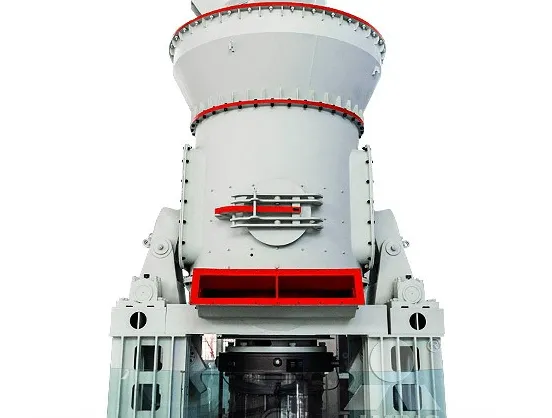
How a Vertical Roller Mill Works
Five integrated systems work in a closed loop: feeding, grinding, hydraulic pressure, hot air drying and dynamic classifying.
1. Material Feeding
Raw material (raw meal mix, clinker, slag, coal or limestone) is fed to the center of the rotating grinding table through a rotary feeder and airlock, with feed size up to 50-80 mm.
2. Grinding Table & Rollers
The table rotates at 20-40 rpm while 2-4 rollers (each 1.5-3 m diameter) press down with hydraulic force of 50-150 bar. Material is crushed and ground into powder between roller and table.
3. Hydraulic System
Accumulators absorb grinding shocks; hydraulic cylinders raise/lower rollers for start-up and tramp iron protection. Pressure is adjustable to match material hardness.
4. Hot Air Drying
Hot gas (from kiln waste heat or a hot gas generator, 200-400°C) enters the mill ring, dries moisture-laden material, and lifts ground powder toward the classifier. Moisture up to 15-20% is removed in seconds.
5. Dynamic Classifier
A variable-speed rotor classifier separates fine product (e.g. R0.08 8-12%, or 200-400 m²/kg Blaine) from coarse particles, which fall back to the table. Fineness changes instantly with rotor speed.
6. Closed Air Loop
A bag filter cleans the exhaust; part of the cleaned gas recirculates to balance the system, keeping the mill under slight negative pressure for dust-free operation.
VRM vs Ball Mill: Comparison Table
The vertical roller mill wins on energy, footprint and drying; the ball mill remains competitive for very fine products and simple installations. Compare the two technologies before you choose.
| Item | Vertical Roller Mill (VRM) | Ball Mill |
|---|---|---|
| Energy consumption | 17-20 kWh/t (cement grinding) | 25-30 kWh/t — 30-40% higher |
| Drying capacity | Built-in hot air drying, handles 15-20% moisture feed without a dryer | Requires separate dryer for moist feed |
| Floor space | Compact — saves 30-50% area | Large system (mill + separator + elevator) |
| Noise level | 80-85 dB | 95-100 dB |
| Fineness control | Online adjustment by classifier rotor speed | Change ball charge / separator — slower |
| Product fineness range | R0.08 4-15% (Blaine 300-500 m²/kg) | R0.08 down to very fine (500+ m²/kg possible) |
| Maintenance | Roller/table wear parts re-welded every 6,000-8,000 h; low media cost | Periodic ball recharging and liner replacement |
| Initial investment | Higher (hydraulic system, gearbox), but lower operating cost | Lower equipment cost, higher energy cost |
| Typical application | Raw meal, coal, slag, finish cement, large plants | Very fine cement, small plants, multiple materials |
Typical values for cement grinding duty; exact figures depend on feed moisture, clinker grindability and target fineness.
VRM Applications in the Cement & Mineral Industry
One mill design, four classic duties — the vertical roller mill is the backbone of modern cement plants and mineral processing lines.
Raw Meal Mill
Grinds limestone, clay and corrective materials to kiln feed fineness (R0.08 8-12%) using kiln waste heat — the standard raw grinding solution above 2,000-5,000 t/d capacity.
Coal Mill
Pulverizes coal and petcoke to kiln/calciner combustion fineness (R0.08 5-10%) with explosion-proof design, inert gas options and reliable hot air drying for high-moisture coals.
Slag Mill (GGBS)
Grinds blast furnace slag to 420-450 m²/kg Blaine at 45-170 t/h with <38 kWh/t energy consumption — our GRMS series is engineered for slag and other hard, abrasive feed.
Finish Cement Mill
Grinds clinker + gypsum + additives to finished cement (Blaine 320-400 m²/kg). Increasingly adopted in new plants for its 30-40% energy advantage over ball mills.
Featured VRM Projects
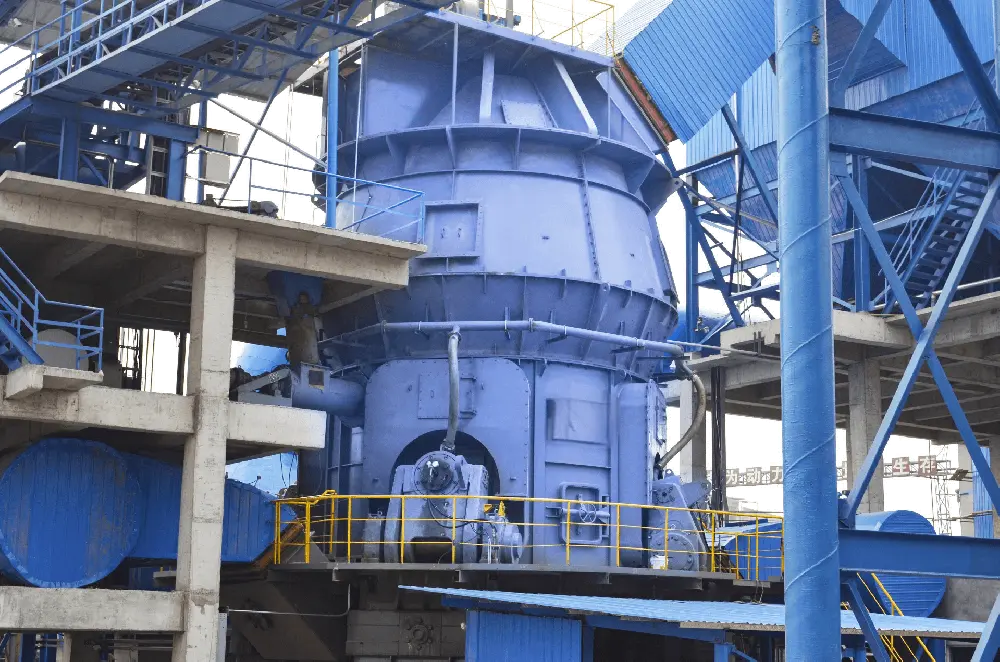
Vertical Roller Mill & Grinding Products
View All Grinding Mills
Vertical Roller Mill
Raw meal, coal, slag & finish cement grinding
Slag Vertical Roller Mill (GRMS) — 45-170 TPH
GGBS grinding, ≤38 kWh/t energy consumption
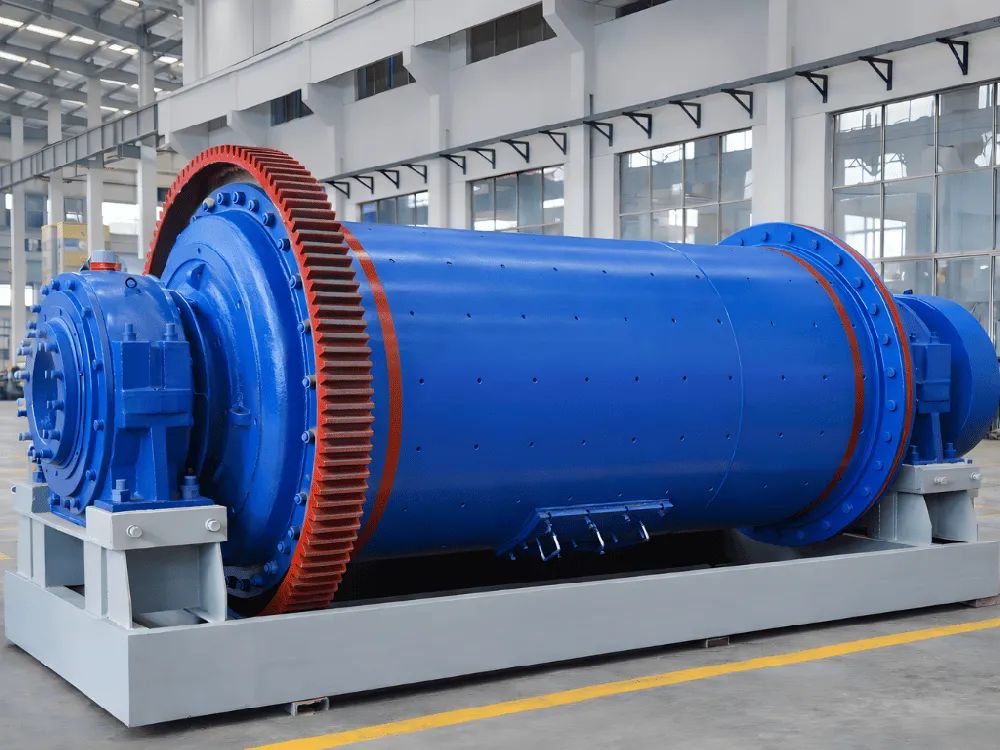
Ball Mill for Cement & Mining
0.65-256 TPH, wet & dry grinding
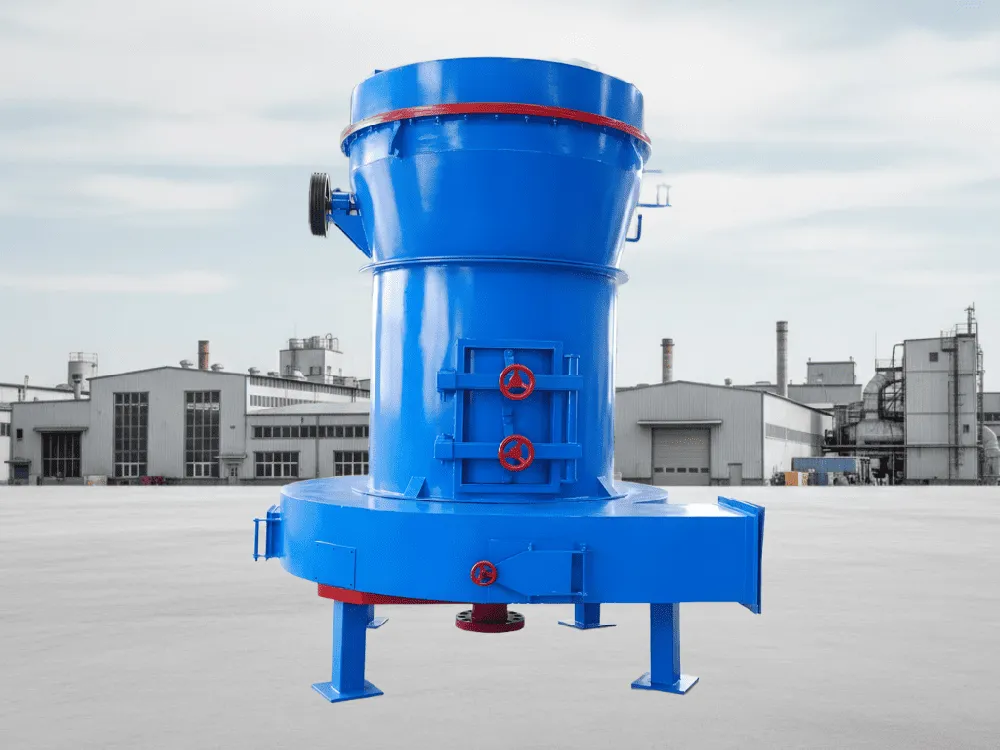
Raymond Mill — 80-325 Mesh
Cost-effective mineral powder grinding
Why Choose Sinoma for Your VRM Project?
From single mill supply to complete grinding system EPC — engineered around your raw material and energy targets.
Material Test Grinding
We run grindability tests on your actual material before quoting — mill size, roller pressure and classifier speed are selected on data, not guesswork.
Energy-Guaranteed Design
Performance contracts on throughput and kWh/t. Typical cement grinding at 17-20 kWh/t, slag grinding at <38 kWh/t.
Turnkey EPC Service
Mill, hot gas system, bag filter, conveying and automation — designed, built, installed and commissioned by one responsible supplier.
10+ Year Support
Roller and table liners stocked for 10+ years. Remote monitoring, operator training and on-site service worldwide.
Vertical Mill Knowledge & News
View All News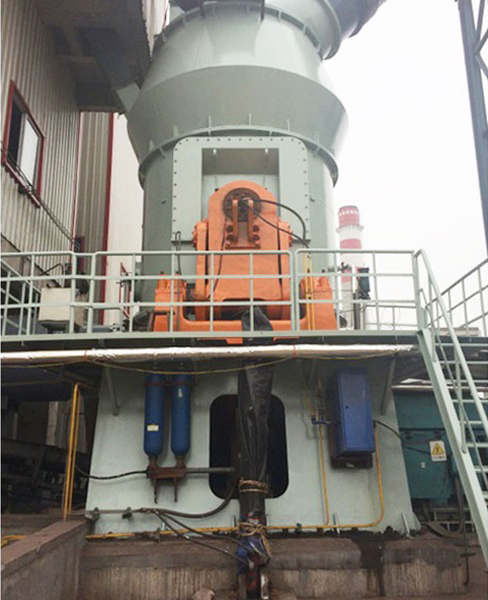
Vertical Roller Mill for Cement, Slag & Coal Grinding
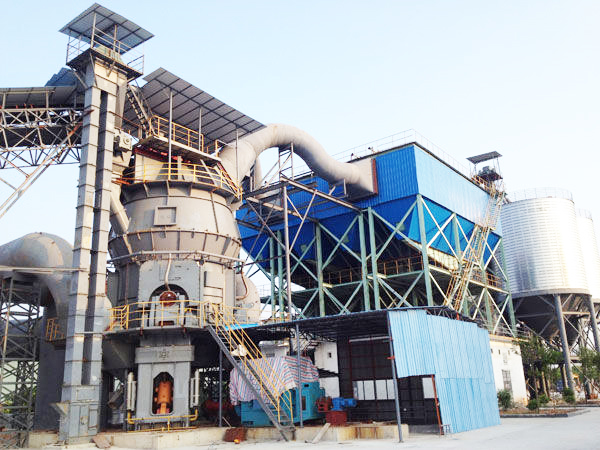
Vertical Roller Mill: How It Works & Why Factories Choose It
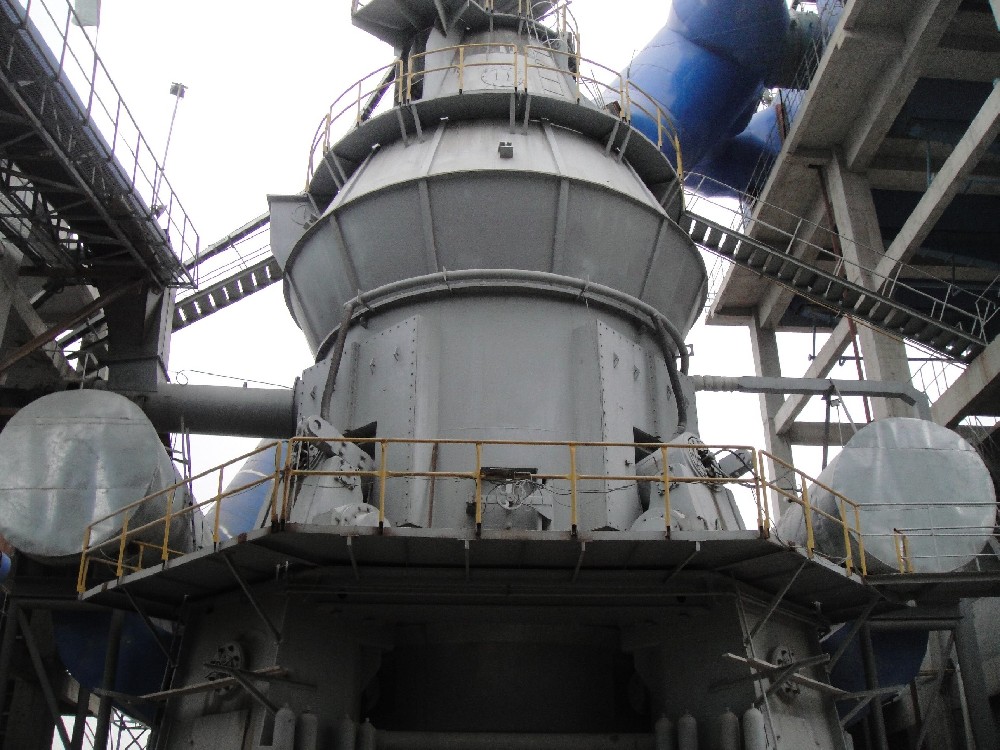
Excessive Vibration During Vertical Mill Operation: Diagnosis & Troubleshooting
Raymond Mill or Vertical Roller Mill: Choosing the Right Grinding Solution
Frequently Asked Questions
Common questions about vertical roller mills, energy saving and project sizing.
What is the energy saving of a VRM vs a ball mill?
Typically 30-40% lower power: 17-20 kWh/t with a VRM versus 25-30 kWh/t with a ball mill for cement grinding. For raw meal and slag the saving is similar or higher.
Can a VRM handle wet materials without a dryer?
Yes. Hot gas inside the mill dries feed with up to 15-20% moisture during grinding, so a separate sand or slag dryer is usually not required.
How do I choose between a VRM and a ball mill?
Choose a VRM for large capacity, high-moisture feed, energy-sensitive projects and slag/raw meal duty. Choose a ball mill for very fine finish cement (500+ m²/kg), simple installations, or when capital cost is the top priority.
What information do you need to quote a VRM?
Feed material and moisture, target capacity (t/h), product fineness, power source, hot gas source (kiln waste heat or hot gas generator) and site conditions. We test-grind your sample before final sizing.
Explore More Topics
Discover more about Sinoma's products, services, and global presence.
Request a VRM Consultation
Get a Quotation
Please fill in the form below (* are required) to send us a brief message, we will reply to you within 12 hours/provide you with the latest quotes.
SERVICE PROMISE
Senior technical engineers provide you with customized solutions and professional installation services to effectively solve your problem in after-sales.