
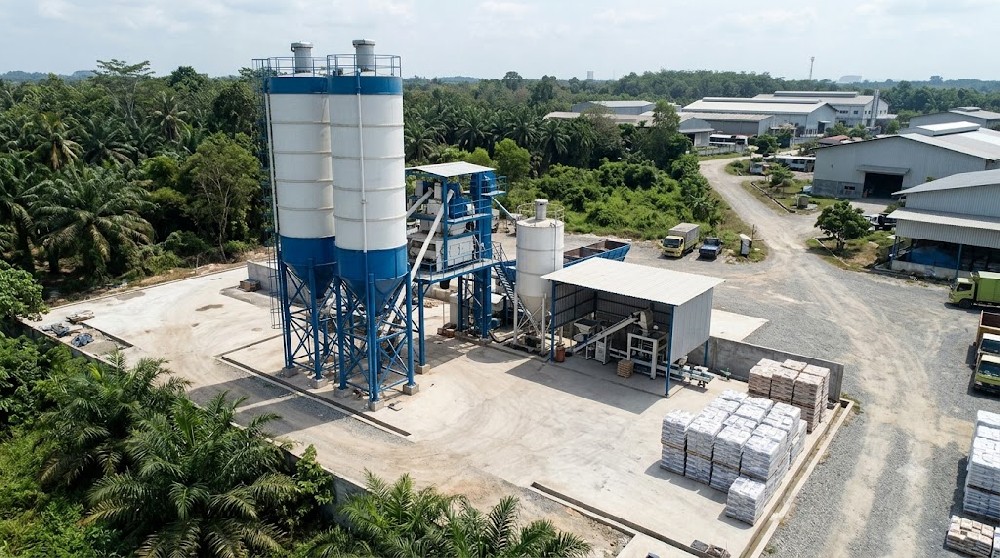
8 TPH Tile Adhesive & Wall Putty Production Line in Indonesia
8 TPH Tile Adhesive & Wall Putty Production Line in IndonesiaFrom Distributor to Manufacturer: A Practical Step Toward Local Supply1. Project BackgroundA construction chemical distributor based in Indonesia had built a steady customer base over several years, supplying tile adhesives, wall putty
Solution Overview
8 TPH Tile Adhesive & Wall Putty Production Line in Indonesia
From Distributor to Manufacturer: A Practical Step Toward Local Supply
1. Project Background
A construction chemical distributor based in Indonesia had built a steady customer base over several years, supplying tile adhesives, wall putty, and joint fillers to hardware stores and small contractors.
Growth brought new pressure. Products were sourced from manufacturers in Jakarta, which meant:
Lead times of 7–10 days on routine orders, longer during peak season.
Inventory at the mercy of suppliers, whose production schedules didn't always align with the distributor's actual sales rhythm.
Missed sales opportunities, especially when certain SKUs ran out between shipments.
Rather than continue losing business to stockouts and delivery delays, the owner decided to set up a local production facility closer to their customer base.
2. The Decision: Why 8 TPH, Not Bigger
The customer initially evaluated a 20 TPH line, having visited several larger plants and spoken with equipment suppliers who pushed for higher capacity.
But after reviewing actual sales data across a full year, a different picture emerged:
Peak monthly demand was around 1,200 tons, with off-peak months closer to 600.
An 8 TPH line running a single shift could deliver 50–60 tons per day — enough to cover even peak months with room to spare.
The capital difference between 8 TPH and 20 TPH was significant, and the larger line would have sat idle half the time.
The 8 TPH solution offered a logical path:
Lower upfront investment, keeping debt manageable.
Faster installation timeline — the smaller plant was up and running in under three months.
Simpler formula management — fewer hoppers and silos meant less complexity when switching between tile adhesive, wall putty, and joint filler.
Shorter payback period, with the option to scale up only when market demand justified it.
3. Product Mix & Production Targets
The line was designed around three core products that already had proven sales records:
| Product | Typical Bag Size |
|---|---|
| Tile Adhesive | 25 kg |
| Wall Putty | 20 kg |
| Joint Filler | 20 kg |
Daily production target was set at 50–60 tons, operating a single 8-hour shift. This left spare capacity for future volume growth or an additional shift if needed.
4. Equipment Configuration
The production line followed a straightforward, linear workflow — raw sand in, bagged product out.
| Section | Equipment |
|---|---|
| Sand Preparation | Dryer + Screening Unit |
| Raw Material Storage | 3 Silos (cement, sand, filler) |
| Additive Dosing | Integrated into Automatic Batching System |
| Mixing | Horizontal Ribbon Mixer |
| Buffer Storage | Finished Product Silo |
| Packaging | Valve Bag Packing Machine (20 kg / 25 kg) |
| Dust Control | Central Dust Collection System |
The ribbon mixer was chosen over a twin-shaft design for this application. Tile adhesives and wall putty require consistent homogeneity but don't need the high-shear mixing that a twin-shaft provides. The simpler mixer kept both equipment cost and maintenance requirements lower.
5. Production Flow
Raw Sand → Drying → Screening → Storage Silo
                                        ↓
                            Automatic Batching ← Cement, Additives
                                        ↓
                                   Mixing
                                        ↓
                            Finished Product Silo
                                        ↓
                            Valve Bag Packing (20/25 kg)
                                        ↓
                                   Warehouse
The automatic batching system was a key investment. Manual weighing, common in smaller Indonesian operations, had been a source of inconsistency in the customer's previous sourced products. The automated system ensured batch-to-batch repeatability across all three product types.
6. Six-Month Operational Results
By month six, the plant had moved from commissioning to steady production. The customer shared these figures during a follow-up visit:
| Metric | Before (Distribution) | After (Own Production) |
|---|---|---|
| Monthly Sales Volume | ~700 tons (sourced) | 1,000+ tons (own production) |
| Geographic Coverage | 1 province | 4 provinces |
| Active Distributors | 6 | 18 |
| Order Lead Time | 7–10 days | 1–2 days |
| Stockout Incidents (per month) | Frequent (3–5) | Rare (0–1) |
Additional observations noted by the customer:
Production efficiency improved roughly 35% compared to initial startup figures, as operators gained familiarity with the batching system and changeover procedures.
Freed from Jakarta supply constraints, the sales team began reaching out to distributors in neighboring provinces — accounts that previously couldn't be served reliably.
Having local production became a selling point in itself, as hardware stores preferred suppliers who could replenish stock within 48 hours.
7. Key Takeaway
This case doesn't feature dramatic growth numbers. It's a practical, measured expansion: a distributor who understood their own sales data, resisted the push to over-invest, and chose equipment sized to real demand.
The result was a plant that paid for itself quickly, freed the business from supplier dependency, and created a stable platform for future growth — on the owner's own terms.
Related Equipment
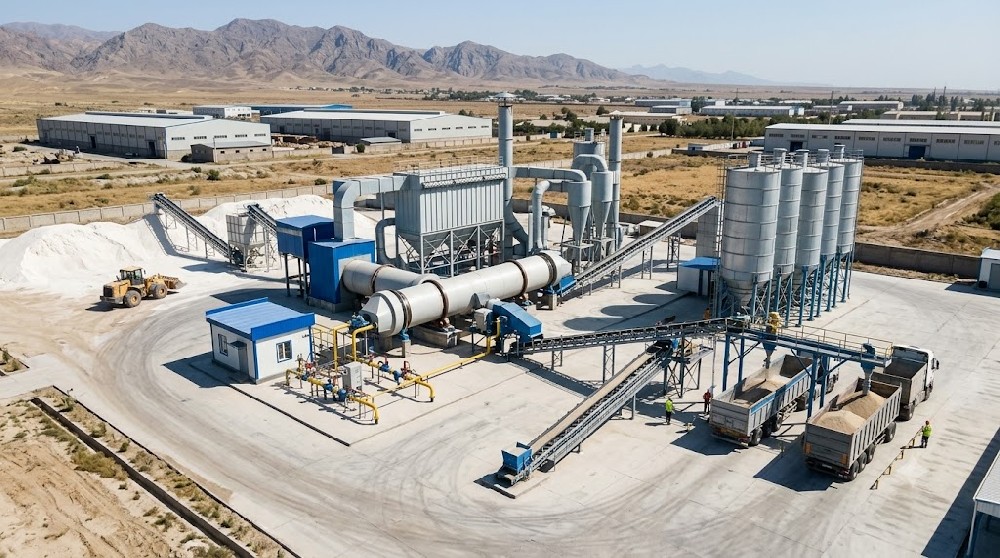
10 TPH Quartz Sand Drying Plant for Construction Materials Company in Uzbekistan
View Details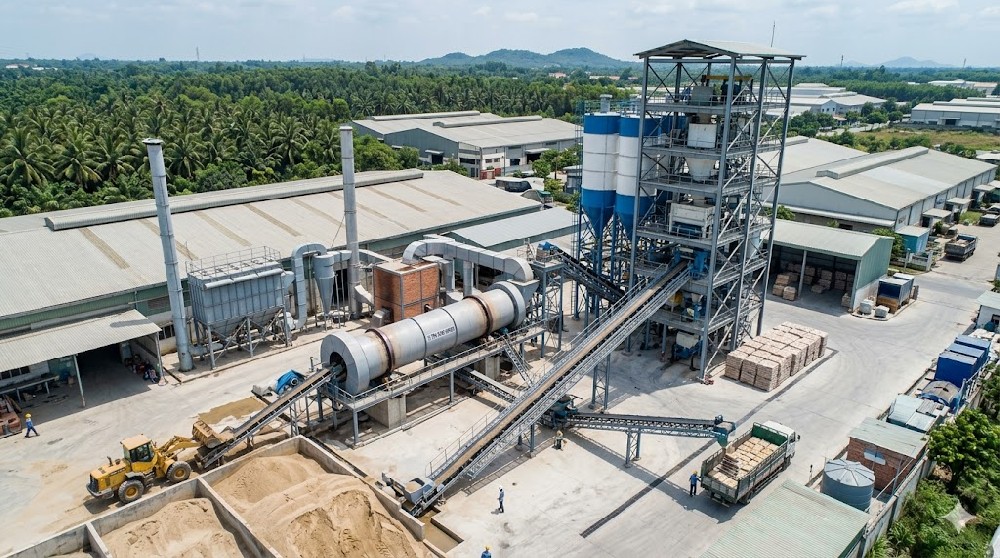
15 TPH River Sand Drying Line for Dry Mix Mortar Production in Vietnam
View Details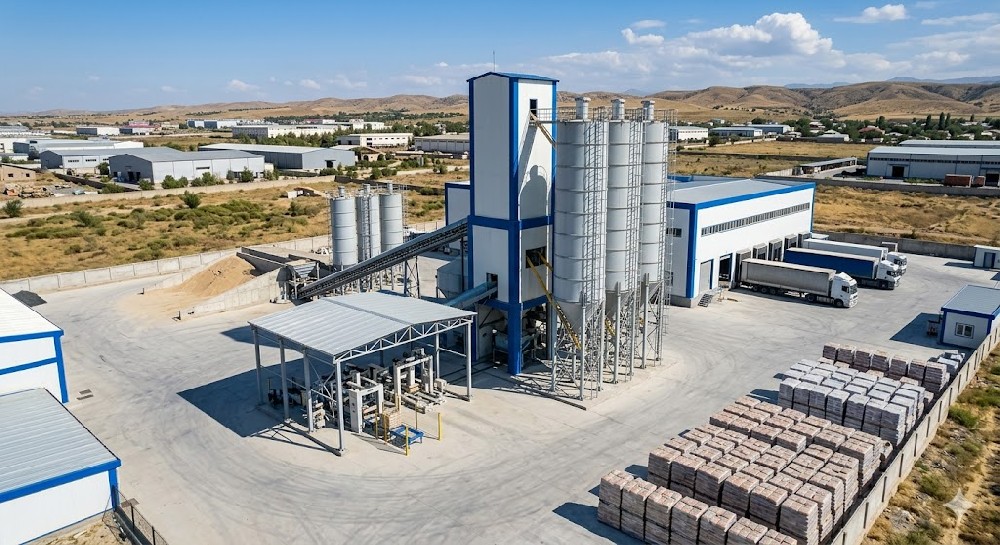
15 TPH Dry Mortar Production Plant for Building Materials Manufacturer in Uzbekistan
View Details
8 TPH Tile Adhesive & Wall Putty Production Line in Indonesia
View DetailsMake an Inquiry
Get a Quotation
Please fill in the form below (* are required) to send us a brief message, we will reply to you within 12 hours/provide you with the latest quotes.
SERVICE PROMISE
Senior technical engineers provide you with customized solutions and professional installation services to effectively solve your problem in after-sales.